
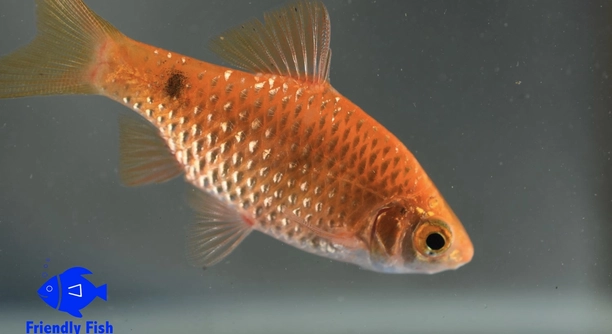
Rosy Barbs are small freshwater fish known for their vibrant colors and lively behavior. These fish navigate their environment using natural cues that help them find food, avoid predators, and interact with others. Understanding these cues can reveal much about their daily lives.
Rosy Barbs rely on visual signals, water currents, chemical cues, magnetic fields, light patterns, temperature changes, and social interactions to navigate. Each cue plays a critical role in guiding their movements and behaviors within their aquatic habitats.
These natural navigation methods shape how Rosy Barbs thrive in the wild and in home aquariums. Learning about these cues helps improve their care and appreciation.
Visual Signals in Rosy Barbs’ Navigation
Rosy Barbs depend heavily on their eyesight to move around and find resources. Their bright colors help them recognize each other and maintain social groups. Visual cues also allow them to spot predators early and avoid danger. In aquariums, proper lighting enhances their ability to navigate smoothly. These fish respond to changes in light intensity and shadows, which guide their swimming patterns. During feeding, they quickly notice movement, signaling food availability. Their sharp vision is vital for schooling behavior, where staying close to others provides safety. In natural habitats, clear water helps them rely on these visual signs. When water is murky, their navigation becomes more challenging, and they depend more on other senses. Watching their interactions shows how visual cues coordinate their movements. For anyone keeping Rosy Barbs, understanding their reliance on sight can improve tank setups and overall fish health.
Visual signals allow Rosy Barbs to coordinate group swimming, avoid threats, and locate food efficiently. Proper lighting enhances these abilities in captivity.
Adjusting aquarium lighting to mimic natural daylight supports their natural behaviors and helps maintain their active, healthy lifestyle. Observing their visual responses gives insight into their well-being.
Water Currents and Chemical Cues
Water currents play a key role in helping Rosy Barbs orient themselves. They use the flow of water to detect direction and move effectively. Chemical signals in the water also inform them about nearby fish, food sources, and possible threats. These cues work together to create a detailed picture of their environment. Chemical sensing allows Rosy Barbs to recognize territory boundaries and reproductive readiness. In the wild, these fish follow currents to find feeding areas or safe spots. Within aquariums, water movement encourages exercise and natural behavior. Filtering systems that create gentle flows are beneficial. Chemical cues can be altered by water quality, so keeping the tank clean supports their navigation. Observing their response to changes in water flow and scent reveals how finely tuned these senses are.
Water currents provide directional information, while chemical signals convey essential environmental details.
These factors combined help Rosy Barbs maintain their position and interact socially. Ensuring clean water and steady currents promotes natural activity patterns and stress reduction. Proper tank design can enhance these sensory experiences.
Magnetic Fields and Light Patterns
Rosy Barbs sense Earth’s magnetic fields to orient themselves, helping them navigate over distances. Light patterns, including day-night cycles, also influence their activity and movement.
Magnetic sensitivity allows Rosy Barbs to maintain direction during swimming, especially in open or murky waters. This ability helps them avoid getting lost and supports migration between feeding and resting areas. They respond to subtle shifts in magnetic fields, which serve as an internal compass. Alongside this, changes in light throughout the day regulate their behavior. Morning and evening light trigger feeding and resting routines, while midday brightness encourages exploration. These natural signals help them maintain a balanced daily rhythm.
Light patterns affect how Rosy Barbs distribute themselves in their habitat. They tend to avoid overly bright areas, seeking shaded spots during peak light. This behavior reduces stress and protects them from predators. Magnetic cues combined with light patterns create a reliable system for orientation. In captivity, simulating natural light cycles supports their well-being, while magnetic field sensitivity is less influenced but still present.
Temperature Changes and Social Interactions
Temperature fluctuations influence Rosy Barbs’ swimming speed and metabolism. Social interactions provide additional cues for navigation and safety within groups.
Temperature affects how actively Rosy Barbs move. Warmer water increases their metabolism, making them more energetic and responsive. Cooler temperatures slow their activity, reducing movement and feeding. Sudden temperature changes can cause stress and disrupt their normal behaviors. Maintaining stable water temperature within their preferred range is essential. Socially, Rosy Barbs use group behavior to navigate safely. They follow leaders or the movements of nearby fish to avoid danger and find resources. Social cues include body language, changes in swimming speed, and positioning within the school. These interactions help maintain group cohesion and improve survival chances.
Group living also provides safety through collective vigilance, where many eyes watch for threats. Social cues help them quickly react to changes in the environment. Disruption in social structure can confuse individuals and affect navigation. Encouraging natural social behavior in tanks leads to healthier, more active fish. Understanding these dynamics helps with better care and habitat design for Rosy Barbs.
Scent Marking
Rosy Barbs use scent marking to identify territories and recognize familiar individuals. This chemical communication plays a subtle but important role in their social structure.
Scent trails left in the water help fish avoid conflicts and locate mates. These chemical cues provide ongoing updates about their surroundings and group members.
Predatory Avoidance Behavior
When sensing danger, Rosy Barbs rely on quick, coordinated movements to escape. Their alertness to changes in water vibrations and nearby activity triggers fast swimming away from threats.
Habitat Familiarity
Rosy Barbs remember specific landmarks and preferred hiding spots within their environment. This spatial memory helps them navigate efficiently and find shelter when needed.
Feeding Cues
Feeding time is often signaled by changes in light, water movement, or the presence of other fish. These cues prompt Rosy Barbs to gather and actively search for food.
What natural cues do Rosy Barbs use to navigate their environment?
Rosy Barbs use several natural cues to find their way, including visual signals, water currents, chemical scents, magnetic fields, light patterns, temperature changes, and social interactions. Each cue helps them respond to their surroundings and maintain safety while searching for food and mates. These cues work together to create a reliable system that guides their daily behavior.
How important is vision for Rosy Barbs in navigation?
Vision is essential for Rosy Barbs. Their bright colors help them stay connected with their group and identify potential threats. They notice changes in light and movement quickly, which keeps them aware of food sources or predators nearby. Proper lighting in an aquarium supports these visual cues and encourages natural behavior.
Do Rosy Barbs rely on chemical signals?
Yes, chemical signals play a vital role. They allow Rosy Barbs to detect water quality, mark territories, and recognize other fish. These scent cues help them avoid conflicts and coordinate social activities. Water quality affects the strength of these signals, so clean water is necessary for healthy communication.
Can Rosy Barbs sense magnetic fields?
Research shows that Rosy Barbs can sense Earth’s magnetic fields. This ability helps them maintain direction during movement, especially in unclear or open waters. It acts like an internal compass, aiding in migration and daily navigation without relying solely on sight.
How do light patterns affect Rosy Barbs?
Light patterns influence their daily routines, including feeding and resting. Rosy Barbs react to changes in daylight, which helps them maintain a balanced activity schedule. They prefer shaded or dim areas during intense light to reduce stress, showing how sensitive they are to their environment.
What role does temperature play in their movement?
Temperature affects their metabolism and swimming speed. Warmer water makes them more active, while cooler water slows them down. Sudden temperature changes can cause stress, so keeping their environment stable is crucial for normal behavior.
How do social interactions help Rosy Barbs navigate?
Social cues are important for group cohesion and safety. Rosy Barbs follow movements and behaviors of nearby fish to stay together and avoid predators. This coordination allows them to respond quickly to changes and maintain their position within the school.
What is scent marking, and why is it useful?
Scent marking is a way Rosy Barbs leave chemical signals in the water to communicate territory boundaries and individual recognition. It helps prevent fights and supports mating behaviors. This subtle communication is essential for maintaining a peaceful social environment.
How do Rosy Barbs avoid predators?
They rely on detecting water vibrations and quick changes around them. This triggers fast, coordinated swimming to escape threats. Their schooling behavior also offers safety in numbers, making it harder for predators to single them out.
Do Rosy Barbs remember their habitat?
Yes, they develop spatial memory of their environment, remembering hiding spots and landmarks. This memory helps them move efficiently and find shelter quickly when needed, increasing their chances of survival.
What signals indicate feeding time for Rosy Barbs?
Feeding cues include changes in light, water movement, and seeing other fish actively searching for food. These signals prompt them to gather and start feeding, showing how they respond collectively to environmental changes.
How can aquarium owners support these natural navigation cues?
Maintaining proper lighting, clean water, steady temperature, and gentle water currents supports the natural behaviors of Rosy Barbs. Providing enough space and social groups encourages their social and navigational skills. Understanding these needs leads to healthier, happier fish.
Understanding how Rosy Barbs navigate their environment helps us appreciate the complexity of these small fish. They rely on a combination of natural cues such as vision, water currents, chemical signals, magnetic fields, light patterns, temperature changes, and social behavior. Each of these factors plays a role in guiding their movements and keeping them safe. By learning about these navigation methods, we gain insight into how Rosy Barbs interact with their surroundings and with each other in both natural habitats and home aquariums.
Providing the right conditions in an aquarium can support these natural navigation cues. Proper lighting helps them use their vision effectively, while steady water currents and clean water maintain the chemical signals they depend on. Stable temperature and light cycles encourage natural activity patterns and reduce stress. Social groups also promote safe and coordinated movement, reflecting how they live in the wild. Paying attention to these factors allows Rosy Barbs to thrive and behave more naturally, which benefits both the fish and their caretakers.
Taking the time to understand these natural cues is important for anyone keeping Rosy Barbs or interested in freshwater fish behavior. It helps create environments that meet their needs and encourages healthy, active fish. Observing how they respond to changes in light, temperature, and water flow provides clues about their well-being. Overall, respecting these natural navigation methods enhances the care of Rosy Barbs and deepens our connection to these colorful and lively fish.

Hello,
If you enjoy the content that we create, please consider saying a "Thank You!" by leaving a tip.
Every little bit helps us continue crafting quality advice that supports the health, happiness, and well-being of pets around the world, for pets of all shapes, sizes, and species.
We really appreciate the kindness and support that you show us!