
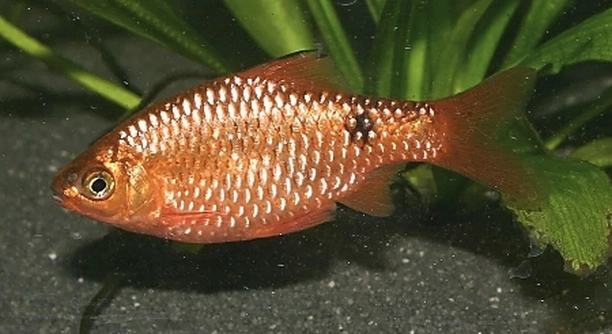
Rosy barbs are lively freshwater fish that often brighten home aquariums. Their movements can sometimes be puzzling, especially when they shake or twitch unexpectedly. Understanding these behaviors can help keep them healthy and happy.
When rosy barbs shake, it usually indicates stress, irritation, or an environmental issue such as poor water quality or parasites. This shaking is a physical response to discomfort, signaling that their living conditions may need immediate attention.
Knowing what causes this behavior can improve your care routine and prevent potential health problems in your rosy barbs. Paying close attention to their actions can lead to a better aquarium environment overall.
Why Do Rosy Barbs Shake?
Rosy barbs shake for several reasons, most often related to their environment or health. One common cause is poor water quality, which can stress the fish and cause shaking or twitching. High levels of ammonia or nitrites in the tank can irritate their gills, making it hard for them to breathe properly. Another reason could be parasites or infections that cause discomfort or itching. Sometimes, shaking happens after introducing new fish or changes in the aquarium, as rosy barbs need time to adjust. Even sudden temperature shifts can trigger this reaction. Observing when and how often your rosy barbs shake can help identify the problem. Keeping the water clean, stable, and properly filtered is important to prevent shaking. Regularly testing the water and maintaining proper tank conditions supports the overall health of the fish and reduces stress that causes shaking.
Shaking is a sign your rosy barbs need immediate attention. It indicates discomfort or a health issue that should not be ignored.
Keeping the aquarium clean, stable, and free of irritants is the best way to avoid shaking. Consistent care helps your rosy barbs stay calm and active.
How to Help Shaking Rosy Barbs
Immediate action is necessary when rosy barbs start shaking. The first step is to test the water for ammonia, nitrite, nitrate, and pH levels. If any readings are off, perform a partial water change to improve water quality quickly. Check for visible signs of parasites or infections like spots or redness. If parasites are suspected, consider using safe medications designed for tropical fish. Ensure the tank temperature is stable and matches the preferred range for rosy barbs, typically between 64 and 72 degrees Fahrenheit. Avoid sudden changes in lighting or water conditions. Keep the aquarium well-aerated to help the fish breathe easily. Reducing stress by providing hiding spots and avoiding overcrowding will also help. Observing your fish regularly and acting on changes promptly can prevent small problems from becoming serious. Consistent care improves their wellbeing and stops shaking episodes.
Common Causes of Shaking in Rosy Barbs
Stress is one of the main reasons rosy barbs shake. Changes in water quality, temperature, or tank mates can trigger this reaction. Stress weakens their immune system and makes them more prone to illness.
Poor water conditions, such as high ammonia or nitrate levels, irritate rosy barbs and cause shaking. Uneven temperature or rapid changes can also upset them. Stress from overcrowding or aggressive fish nearby makes shaking worse. Keeping stable tank conditions and a calm environment is essential for their health.
Parasites and infections can cause shaking as well. External parasites like ich or flukes irritate the fish’s skin, leading to twitching or rubbing against objects. Bacterial infections sometimes cause inflammation and discomfort, which results in shaking. Early detection and treatment help prevent severe damage or death.
Monitoring and Prevention Tips
Regular water testing is key to preventing shaking in rosy barbs. Maintaining proper water parameters keeps them healthy and comfortable.
Keep the tank clean with routine water changes to avoid buildup of harmful substances. Avoid overcrowding to reduce stress and aggression among fish. Ensure a stable temperature within the ideal range for rosy barbs and minimize sudden changes. Providing hiding places helps fish feel secure, which lowers shaking caused by fear or stress. Observing your fish daily allows early detection of shaking or unusual behavior. Prompt action keeps your rosy barbs thriving and reduces the risk of health problems.
Signs That Shaking Needs Attention
Shaking that happens frequently or lasts a long time is a serious warning. It can mean illness or poor tank conditions that need fixing fast.
If your rosy barbs also show loss of appetite, lethargy, or spots on their body, these are signs of deeper problems needing care.
Treatment Options for Shaking Rosy Barbs
Treating shaking depends on the cause. For poor water quality, immediate water changes and improved filtration are essential. If parasites are present, using aquarium-safe medications can help clear infections. Stress-related shaking often improves by stabilizing temperature and reducing overcrowding. Maintaining clean, balanced water and a calm environment helps recovery. Always follow medication instructions carefully and isolate sick fish if needed to prevent spreading disease.
When to Consult a Veterinarian
If shaking continues despite care, professional help is necessary. A vet can diagnose and treat underlying health issues effectively.
What does it mean when rosy barbs shake their bodies?
When rosy barbs shake their bodies, it usually signals stress or discomfort. This behavior can be caused by poor water quality, parasites, or sudden changes in the environment. Shaking is a natural response to irritation, and it means the fish is trying to relieve that discomfort. Keeping an eye on this behavior helps identify problems early and prevent serious health issues.
Can shaking be a sign of disease in rosy barbs?
Yes, shaking can be a sign of disease. Parasites like ich or flukes cause itching, making rosy barbs shake or rub against objects. Bacterial or fungal infections may also cause twitching or shaking. If shaking is combined with other symptoms like loss of appetite, discoloration, or lethargy, it’s likely the fish is sick and needs treatment.
How can I tell if my rosy barbs are stressed?
Signs of stress include shaking, hiding more than usual, loss of appetite, and rapid breathing. Stress often comes from poor water conditions, overcrowding, or aggressive tank mates. If you notice these signs, check water quality and tank setup immediately. Reducing stress is key to preventing illness and calming the fish.
What water conditions cause rosy barbs to shake?
High ammonia, nitrite, or nitrate levels cause irritation that makes rosy barbs shake. Sudden temperature changes and improper pH levels can also trigger shaking. Rosy barbs prefer clean water with a temperature between 64 and 72 degrees Fahrenheit and a pH around 6.5 to 7.5. Regular testing and maintenance keep water stable.
How often should I test my aquarium water?
Testing water weekly is ideal for detecting problems early. If you notice shaking or unusual behavior, test the water immediately. Key factors to check include ammonia, nitrite, nitrate, pH, and temperature. Consistent monitoring prevents conditions that cause stress and shaking.
Can overcrowding make rosy barbs shake?
Yes, overcrowding causes stress and increases aggression, which can make rosy barbs shake. When too many fish share a tank, water quality deteriorates faster, adding to the problem. Providing enough space, hiding spots, and balanced stocking helps reduce stress and shaking.
Is shaking related to tank mates?
Aggressive or territorial tank mates can stress rosy barbs, causing shaking. If barbs are chased or bullied, they may show shaking and other stress signs. Choosing peaceful fish and observing interactions help maintain a calm environment.
What should I do if I see my rosy barbs shaking?
First, test the water and perform a partial water change if needed. Check for signs of parasites or disease. If infection is suspected, use appropriate medication following product instructions. Ensure stable temperature and reduce stress factors like overcrowding or aggression. Isolate sick fish if possible to protect others.
Can diet affect shaking behavior?
Poor diet weakens the immune system, making rosy barbs more vulnerable to stress and disease, which can cause shaking. Feeding a balanced diet with high-quality flakes, pellets, and occasional live or frozen foods supports their health and resilience.
How long does it take for rosy barbs to recover from shaking?
Recovery time depends on the cause. After fixing water quality or stress, shaking may stop within a few hours to days. Treatment for parasites or infections can take one to two weeks. Continued care and observation are important to ensure full recovery.
Is shaking always a bad sign?
Not always. Sometimes rosy barbs shake briefly when adjusting to new environments or during quick movements. However, repeated or prolonged shaking usually signals a problem that needs attention.
Can temperature changes cause shaking?
Yes, sudden or extreme temperature changes stress rosy barbs and cause shaking. Keeping the tank within their preferred range and avoiding rapid shifts prevents this behavior.
Are there natural remedies to stop shaking?
Maintaining clean water and reducing stress are the best natural ways to stop shaking. Adding aquarium salt in small amounts can help with minor irritations but should be used carefully. Avoid overmedicating and focus on stable tank conditions.
When should I seek professional help?
If shaking continues despite proper care and treatment, or if fish show worsening symptoms like severe lethargy or injury, a veterinarian specializing in fish health should be consulted. Early professional advice can save lives.
Can shaking spread between fish?
Shaking itself doesn’t spread, but the diseases causing it, like parasites or infections, can be contagious. Isolating affected fish and treating the whole tank prevents outbreaks.
Rosy barbs shaking is a clear sign that something in their environment or health needs attention. It is important to understand that this behavior is often a response to stress, irritation, or discomfort. Most commonly, shaking happens because of poor water quality, parasites, or sudden changes in their surroundings. Keeping the aquarium clean and stable is the best way to avoid these problems. Regular water testing and maintenance help maintain the right conditions for rosy barbs to thrive. By watching their behavior closely, it is easier to spot any early signs of trouble and act quickly before the issue worsens.
Stress plays a large role in causing shaking in rosy barbs. Factors such as overcrowding, aggressive tank mates, or improper water temperature can all cause these fish to become uneasy. Providing enough space and hiding places in the tank can make a big difference in reducing stress. Stable temperatures within the preferred range for rosy barbs also help keep them calm. When fish feel secure and comfortable, they are less likely to shake or show signs of distress. It is important to avoid sudden changes in the tank that may startle or upset the fish. Patience and consistent care are key to keeping rosy barbs healthy and happy.
If shaking continues or is combined with other symptoms like loss of appetite, spots, or unusual swimming, it could mean the fish is sick. Parasites and infections are common causes of shaking that need treatment. Aquarium medications, proper quarantine, and isolating sick fish can stop illnesses from spreading. Always follow instructions carefully when using any treatments. Remember, prevention is better than cure—maintaining a clean tank and a calm environment can reduce the chances of disease. Taking good care of your rosy barbs with a balanced diet, clean water, and a peaceful home will help prevent shaking and support their long-term health.

Hello,
If you enjoy the content that we create, please consider saying a "Thank You!" by leaving a tip.
Every little bit helps us continue crafting quality advice that supports the health, happiness, and well-being of pets around the world, for pets of all shapes, sizes, and species.
We really appreciate the kindness and support that you show us!