
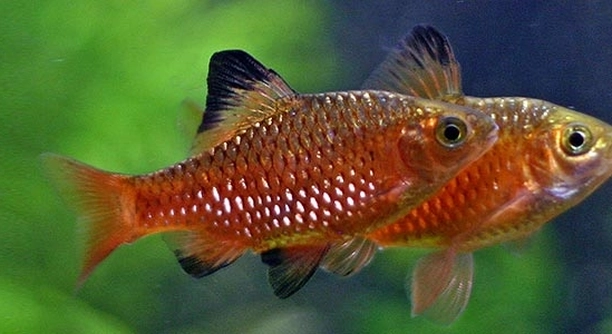
Rosy barbs are popular freshwater fish known for their bright colors and lively behavior. Many fish keepers enjoy watching how these fish respond to different changes in their environment. Understanding their reactions helps create a better home for them.
Rosy barbs react instantly to factors such as sudden movements, water temperature changes, lighting shifts, feeding times, new tank mates, water quality, and vibrations. Each stimulus triggers specific behaviors that indicate stress, excitement, or curiosity.
Recognizing these reactions can improve how you care for rosy barbs and ensure their well-being in your aquarium. Learning what affects them most helps maintain a healthy, happy environment for these beautiful fish.
Sudden Movements in the Tank
Rosy barbs are very sensitive to quick or unexpected movements near their tank. When someone suddenly moves their hand or taps the glass, these fish often dart away or hide. This is because their natural instinct is to avoid potential danger. In the wild, sudden changes usually mean predators are close, so they react quickly to stay safe. Watching their swift reaction can be striking, but it also shows how easily they can get stressed. Keeping the tank area calm and moving slowly when near the fish helps reduce their anxiety. Over time, they may become more comfortable with your presence, making the tank a peaceful place for them to thrive. Maintaining a consistent routine around feeding and cleaning also helps them feel secure and less likely to startle.
Sudden movements can cause stress, which affects their health and behavior. Minimizing these helps keep rosy barbs calm and active.
Being aware of how your actions affect these fish improves their well-being. Gentle movements and steady care make a big difference in their daily life.
Water Temperature Changes
Rosy barbs are quite sensitive to shifts in water temperature. Even a few degrees of change can cause them to react immediately. When water becomes too cold, their swimming slows, and they may hide more often. On the other hand, water that is too warm can make them restless or cause them to gasp near the surface. It is important to keep the temperature steady, ideally between 64 and 72 degrees Fahrenheit. Using a reliable heater and thermometer helps maintain this range. Sudden changes can happen if the tank is near a window or door where drafts occur, or when new water is added without proper conditioning. Gradual temperature adjustments are better if changes are necessary. This careful control supports their immune system and overall health, reducing the chances of illness.
Temperature affects their metabolism and behavior directly, so steady warmth helps keep rosy barbs comfortable.
Monitoring the tank environment regularly allows you to spot and fix problems early. Stable water conditions lead to happier, healthier fish that show their best colors and energy every day.
Lighting Changes
Rosy barbs react quickly to changes in lighting. Bright or sudden shifts can make them hide or swim erratically. Consistent lighting helps them feel secure and keeps their natural rhythms steady.
Keeping a regular light schedule, about 10-12 hours a day, mimics their natural environment. Sudden brightness or darkness can confuse them, leading to stress. Using a timer for aquarium lights is a simple way to keep this steady. Avoid placing the tank in direct sunlight to prevent rapid light changes and overheating. Proper lighting also enhances their vibrant colors, making the tank look more lively. When lighting is stable, rosy barbs behave more naturally, staying active and healthy.
Inconsistent lighting disrupts their internal clocks. This can affect feeding habits and sleep patterns. Stable light conditions support their daily routines and overall well-being.
Feeding Times
Rosy barbs quickly learn when feeding happens. They respond instantly at set times by becoming active and swimming eagerly near the surface. Regular feeding times help reduce stress and keep them healthy.
Changing feeding times can confuse the fish, causing them to become anxious or less interested in food. Feeding small amounts twice a day is best. Overfeeding should be avoided, as it can pollute the water and harm the fish. A balanced diet of flakes, pellets, and occasional live or frozen food ensures proper nutrition. When feeding is consistent and well-managed, rosy barbs show bright colors and energetic swimming. They also develop a trusting routine around you, making care easier and more enjoyable.
Consistent feeding supports their metabolism and behavior. It builds a calm environment where the fish thrive and remain healthy over time.
New Tank Mates
Rosy barbs react immediately when new fish are added to the tank. They may become cautious or show aggression depending on the newcomer’s behavior and size.
Introducing new tank mates slowly and watching their interactions helps avoid stress. Properly chosen companions encourage peaceful cohabitation and reduce tension in the aquarium.
Water Quality
Poor water quality causes instant stress in rosy barbs. High levels of ammonia, nitrites, or nitrates quickly affect their health and behavior. Regular water tests and changes keep conditions stable. Using a good filtration system helps remove waste and toxins, supporting a clean environment.
Maintaining balanced water parameters prevents disease and encourages active swimming and feeding. Clean water is essential for rosy barbs to thrive and show their true colors.
Vibrations
Rosy barbs are sensitive to vibrations outside the tank. Loud noises or shaking can startle them and make them swim frantically. Keeping the tank in a quiet, stable area reduces these reactions and helps maintain calm behavior.
What do rosy barbs do when they feel stressed?
When rosy barbs feel stressed, they often swim erratically or hide behind plants and decorations. Their colors may fade, and they might lose interest in food. Stress can also cause them to breathe faster or stay near the surface. Recognizing these signs early helps prevent illness and keeps them comfortable.
How can I reduce stress for my rosy barbs?
To reduce stress, keep their tank environment stable. Avoid sudden movements around the tank and maintain consistent water temperature and lighting. Introduce new tank mates slowly and ensure good water quality. Feeding them at regular times and providing hiding spots also helps create a calm habitat where they can feel safe.
Why do rosy barbs react to sudden movements near the tank?
Sudden movements trigger a natural survival instinct in rosy barbs. In the wild, fast movements can mean predators are nearby, so they quickly swim away or hide. This response helps them stay safe but can become stressful in a home aquarium if it happens often.
Can rosy barbs get used to their owner’s presence?
Yes, rosy barbs can get used to regular, gentle interactions. Over time, they may swim closer when you approach the tank, especially during feeding. Slow and calm movements help build their trust. However, sudden or fast actions might reset their cautious behavior.
What is the best water temperature for rosy barbs?
The ideal temperature for rosy barbs is between 64 and 72 degrees Fahrenheit (18-22 degrees Celsius). Keeping water within this range helps maintain their metabolism and immune system. Avoid sudden temperature changes, as these can cause stress or illness.
How often should I feed rosy barbs?
Feeding rosy barbs twice a day with small portions is best. Overfeeding can pollute the water and harm the fish. A balanced diet of flakes, pellets, and occasional live or frozen foods ensures they get all the nutrients they need. Watching their response to feeding helps adjust amounts.
Why do rosy barbs react to lighting changes?
Lighting changes affect their natural day and night cycle. Sudden bright lights may scare them, while too little light can make them inactive and dull in color. Consistent lighting helps regulate their behavior and keeps them healthy and vibrant.
How do new tank mates affect rosy barbs?
New fish in the tank cause rosy barbs to become alert or defensive at first. They may chase or hide depending on the newcomers’ size and temperament. Introducing new tank mates slowly and monitoring their interactions helps prevent aggression and stress.
What water quality parameters are important for rosy barbs?
Ammonia, nitrite, and nitrate levels must be kept low for rosy barbs to thrive. Regular water testing and changes maintain a clean, safe environment. Good filtration removes harmful substances, while stable pH levels (around 6.5 to 7.5) support their health.
Why are rosy barbs sensitive to vibrations?
Vibrations mimic disturbances in their natural environment, causing the fish to startle. Loud noises or shaking the tank can trigger sudden swimming or hiding. Placing the aquarium in a quiet area helps reduce these stressful reactions.
Can rosy barbs live peacefully with other fish?
Rosy barbs usually get along with other active but peaceful fish of similar size. Avoid slow-moving or very small fish, as rosy barbs can sometimes nip fins. Proper tank size and hiding spots help reduce conflicts and encourage harmony among tank mates.
How do I know if my rosy barbs are healthy?
Healthy rosy barbs swim actively, have bright colors, and eat regularly. They explore the tank without signs of stress like hiding or erratic swimming. Clear eyes, intact fins, and smooth scales are good indicators. Any changes in behavior or appearance may signal illness.
What should I do if my rosy barbs show signs of illness?
If you notice signs like lethargy, loss of appetite, or spots on their body, test the water quality first. Poor water conditions often cause health problems. Quarantine sick fish and consult a vet or aquarium specialist for proper treatment. Early care improves recovery chances.
How important is tank size for rosy barbs?
Rosy barbs need at least a 20-gallon tank to swim freely. A larger tank helps reduce stress by providing enough space for their active behavior and social groups. Overcrowding can lead to aggression and poor water quality, harming their health.
Do rosy barbs need plants or decorations in the tank?
Yes, plants and decorations give rosy barbs places to hide and explore, reducing stress. Live plants also improve water quality by absorbing nitrates. Avoid sharp or rough decorations that could injure the fish. A well-decorated tank mimics their natural habitat and keeps them comfortable.
Taking care of rosy barbs means paying close attention to the things they react to instantly. These fish are sensitive to changes in their environment, including sudden movements, water temperature shifts, lighting changes, feeding times, new tank mates, water quality, and vibrations. Understanding these reactions is important because it helps keep the fish calm and healthy. When their environment stays stable and predictable, rosy barbs feel safe and show their natural behavior, which includes active swimming and bright colors. This makes watching them much more enjoyable and rewarding.
Creating a good home for rosy barbs involves keeping the tank clean and steady. Regular water tests, proper filtration, and controlling the temperature help reduce stress and illness. It’s also important to keep a consistent routine for feeding and lighting. These small but careful steps prevent many problems before they start. Adding plants and decorations gives the fish places to hide and explore, which helps them feel comfortable. When you take time to notice how your rosy barbs respond to their surroundings, you can adjust your care to meet their needs better.
Overall, the health and happiness of rosy barbs depend on a balanced and stable environment. Their quick reactions show when something isn’t right, giving you a chance to fix issues early. By keeping changes slow and predictable, providing proper nutrition, and choosing good tank mates, you support their well-being. Caring for rosy barbs this way not only improves their life but also makes the aquarium a peaceful and beautiful space for everyone to enjoy.

Hello,
If you enjoy the content that we create, please consider saying a "Thank You!" by leaving a tip.
Every little bit helps us continue crafting quality advice that supports the health, happiness, and well-being of pets around the world, for pets of all shapes, sizes, and species.
We really appreciate the kindness and support that you show us!