
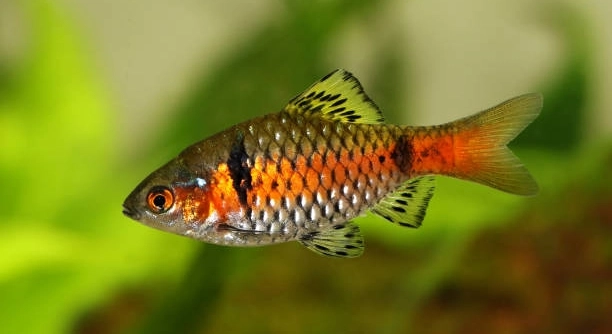
Are your rosy barbs swimming in all directions, refusing to group together like they usually do in the tank?
The most common reason rosy barbs stop schooling is due to stress or discomfort in their environment. Changes in water conditions, tankmates, lighting, or layout can disrupt their natural behavior and cause separation.
Understanding the small changes in your aquarium setup can make a big difference in your fish’s behavior and overall well-being.
Common Reasons Rosy Barbs Avoid Schooling
Rosy barbs are active and social fish that usually swim in groups. When they stop schooling, it’s often a sign something isn’t right. Poor water quality is one of the most common causes. A spike in ammonia, nitrite, or nitrate levels can cause stress and make them retreat from the group. Sudden changes in temperature or pH may also lead to similar behavior. Another reason could be an unbalanced group size. If there aren’t enough rosy barbs, they may feel insecure and scatter. Aggressive tankmates or frequent disruptions can also disturb their natural schooling instinct. Lastly, illness or injury can affect how one or more fish interact with the rest of the group. Sick fish will often isolate themselves.
Rosy barbs prefer groups of at least five. A smaller group can lead to stress, shyness, and less coordinated movement in the tank.
When you notice changes in behavior, start by testing your water. Check the temperature, pH, and ammonia levels. Clean your filter and perform a partial water change if needed. Observe the group and look for signs of fin damage, white spots, or sluggish movement. These are signs of illness. If a fish is sick, consider isolating it in a separate tank. Make sure your tank is large enough, ideally 20 gallons or more, and avoid keeping them with aggressive species. A peaceful environment encourages schooling. Rearranging decorations can also reduce territorial behavior, helping the group feel more comfortable. Rosy barbs thrive in clean, calm settings with stable conditions and plenty of space to swim.
Environmental Factors to Watch
Tank layout and lighting can affect how your rosy barbs behave. Overly bright lights or little cover can leave them feeling exposed.
Rosy barbs like open swimming areas but also appreciate hiding spots. A tank with too many decorations or dense plants may interrupt their ability to swim together freely. On the other hand, a bare tank can make them anxious. Try to strike a balance between open space and shelter. Gentle lighting works best, as harsh lights can startle them. Sudden changes in lighting or movement near the tank can cause the group to scatter. Make sure your tank is placed in a quiet area without constant noise or vibrations. Rosy barbs also respond to consistent feeding times. An irregular schedule can throw off their sense of routine and reduce group activity. Always check that your filter isn’t producing too much current—while rosy barbs enjoy movement, too strong a flow may force them to swim apart.
Behavioral Changes and What They Mean
Rosy barbs often show changes in behavior when they’re stressed or uncomfortable. If they’re hiding more, swimming erratically, or becoming aggressive, it’s usually a sign that something in the tank isn’t right.
One fish separating from the group may be feeling unwell or overwhelmed. Keep an eye on how they interact. If one fish is being chased or bullied, it can cause the others to scatter and avoid schooling. Stress can come from sudden movements around the tank, poor lighting, or too much noise. A new fish added to the tank may also disturb the balance. Make sure there’s enough space and hiding spots for all the fish. Watching how they feed can also give clues—loss of appetite or sluggish swimming might suggest illness or discomfort.
If your fish used to swim as a group and suddenly stopped, think about recent changes. Did you clean the tank recently, change foods, or adjust the filter flow? Even small things can throw off their routine. Check if one fish is guarding a certain area—that might cause others to avoid schooling nearby. Pay attention to how the group responds to feeding and tank maintenance. If they dart away or freeze often, that’s another stress signal. Watching them closely for a few days can help you spot patterns or triggers.
How to Encourage Grouping Again
Add more rosy barbs if your group is too small. They feel safer in numbers and are more likely to school when they’re not alone or paired.
Sometimes, a few gentle changes are all it takes to bring their natural behavior back. Try softening the lighting if it feels too bright, and spread food evenly during feeding time so there’s no competition. Rearranging decorations slightly can reduce any territorial tension that may have developed. If the water conditions are stable, and there are no signs of illness, give them time to adjust. Avoid tapping the glass or creating too much movement around the tank. Keeping your tank in a quiet spot can really help. Also, try not to move things around too often—consistency helps them feel at ease. When they feel safe, rosy barbs will often begin swimming together again on their own. Watching them re-group can be a reassuring sign that your tank is back on track.
When Adding New Fish Causes Problems
New fish can change how your rosy barbs behave. If the new fish are aggressive or too active, they may cause stress and disrupt schooling.
Introducing fish too quickly can also upset the balance. It’s best to quarantine new fish first and add them slowly.
Signs Your Tank Needs an Update
If your fish continue avoiding each other despite clean water and good feeding habits, the tank might need a few updates. Too many decorations, not enough open space, or strong water flow can all play a role. Consider removing bulky ornaments or trimming overgrown plants. Add some floating cover to reduce light glare. Try adjusting the filter to create calmer areas where fish can group. Make sure the tank is large enough—20 gallons or more is ideal for a small group of rosy barbs. A larger tank helps reduce stress and allows room for natural movement.
When to Ask for Help
If the behavior continues and nothing seems to help, a vet or aquarium expert can give more specific advice.
Why are my rosy barbs not schooling after I added new fish?
New fish can disrupt the social balance in your tank. Rosy barbs are sensitive to changes and may feel threatened or stressed by unfamiliar tankmates. Some fish are more aggressive or active, which can scare your rosy barbs and cause them to separate. Introducing new fish too quickly without quarantine or proper acclimation also raises stress levels. To help your rosy barbs adjust, add new fish slowly and keep an eye on their interactions. Make sure the tank is large enough to give everyone space.
Can poor water quality make rosy barbs stop grouping?
Yes, poor water quality is a major reason rosy barbs stop schooling. High levels of ammonia, nitrites, or nitrates can cause stress or illness. Even small fluctuations in pH or temperature can affect their behavior. Regular testing and water changes keep the environment stable and safe. A clean tank encourages healthy, natural schooling behavior.
How many rosy barbs should I keep to encourage schooling?
Rosy barbs feel most comfortable in groups of at least five. Smaller groups can make them nervous and less likely to school. With enough numbers, they feel safe and display natural schooling behavior. Too few fish often leads to isolation and scattered swimming.
Could tank layout affect my rosy barbs’ grouping?
Absolutely. A tank with too many decorations or dense plants can make it hard for rosy barbs to swim together. On the other hand, a bare tank leaves them feeling exposed. They need a balance of open swimming space and places to hide. Adjusting the layout can reduce territorial disputes and help the group stick together.
Is lighting important for rosy barbs to school?
Lighting plays a big role. Too bright lights can stress your fish and cause them to scatter. Gentle, natural lighting helps them feel secure and more likely to swim as a group. Avoid sudden changes in lighting, which can startle them.
How does tank size impact rosy barb behavior?
A small tank restricts swimming space and causes stress. Rosy barbs need at least 20 gallons for a small group. Larger tanks provide enough room to swim freely and establish social order. Without enough space, they may become aggressive or isolated.
What signs of illness should I watch for if rosy barbs stop schooling?
Look for unusual behavior like lethargy, loss of appetite, faded colors, clamped fins, or white spots. Illness can make a fish isolate itself from the group. Treat sick fish promptly and consider quarantine to prevent spreading disease.
Can feeding routines affect rosy barb schooling?
Yes, irregular feeding or competition for food can cause stress and break up the group. Feeding small amounts evenly throughout the tank helps reduce competition. Consistent feeding times create a routine that promotes calm and natural behavior.
Will adjusting the filter flow help rosy barbs school better?
Too strong a current from filters can make rosy barbs swim apart to avoid fighting the flow. Adjust the filter to create gentle water movement, allowing them to swim comfortably together. Calm areas encourage grouping and reduce stress.
How long does it take for rosy barbs to start schooling again after changes?
It varies, but usually a few days to a week. Once stressors are removed and conditions stabilize, they begin to regroup naturally. Patience is key. Keep conditions steady and avoid sudden disruptions during this time.
Should I isolate a fish if it refuses to school?
If a fish shows signs of illness or extreme stress, isolating it temporarily is a good idea. This helps prevent spreading disease and allows the fish to recover. Healthy fish usually rejoin the group once they feel better.
What role does tank noise and vibration play in rosy barb behavior?
Constant noise or vibrations can stress fish and cause them to scatter. Keep the tank away from loud appliances or heavy foot traffic. A quiet, stable environment helps rosy barbs feel secure and promotes schooling.
Are there specific tankmates that disrupt rosy barb schooling?
Aggressive or overly active fish can intimidate rosy barbs and break up their group. Avoid housing them with fin-nippers or territorial species. Choose peaceful, similar-sized fish to maintain harmony and encourage schooling behavior.
Can water temperature changes cause rosy barbs to stop schooling?
Yes, sudden or frequent temperature changes cause stress. Rosy barbs prefer temperatures between 64°F and 72°F (18°C–22°C). Keeping temperature stable within this range helps maintain normal behavior, including schooling.
How important is hiding space for rosy barbs to school?
Hiding spots reduce stress by giving shy fish a safe place. However, too many hiding places can separate the group. Providing a balance of shelter and open space helps them feel safe enough to swim together naturally.
What should I do if my rosy barbs never school?
If schooling never occurs, check for environmental or health issues. Confirm water quality, tank size, lighting, and social group size are appropriate. Sometimes personality differences affect schooling, but most rosy barbs will group when conditions are right. If unsure, consult an aquarium expert.
Rosy barbs are naturally social fish that enjoy swimming together in groups. When they stop schooling, it usually signals that something in their environment is causing stress or discomfort. It can be easy to overlook small changes like water quality, lighting, or tankmates, but these factors play a big role in how your fish behave. Paying attention to their environment and keeping conditions stable will help your rosy barbs feel safe and encourage them to swim as a group again.
Water quality is one of the most important things to watch. Ammonia, nitrite, or nitrate spikes can stress fish quickly, causing them to hide or swim alone. Regular testing and water changes keep the tank safe and comfortable. It’s also important to have the right number of rosy barbs — at least five — so they feel secure. Too few fish make them nervous and less likely to school. A tank that is too small, too bright, or has aggressive tankmates can also prevent rosy barbs from grouping. Adjusting these factors often leads to improvements in their behavior.
If your rosy barbs still refuse to school despite your best efforts, it may be helpful to consult an expert or a veterinarian. Illness or long-term stress can affect their behavior in ways that are harder to fix at home. Sometimes, small changes in tank setup or care routines make a big difference. Remember that patience is important; fish need time to adjust after any changes. Watching your rosy barbs carefully and providing a calm, stable environment will give them the best chance to return to their natural, peaceful schooling behavior.

Hello,
If you enjoy the content that we create, please consider saying a "Thank You!" by leaving a tip.
Every little bit helps us continue crafting quality advice that supports the health, happiness, and well-being of pets around the world, for pets of all shapes, sizes, and species.
We really appreciate the kindness and support that you show us!