
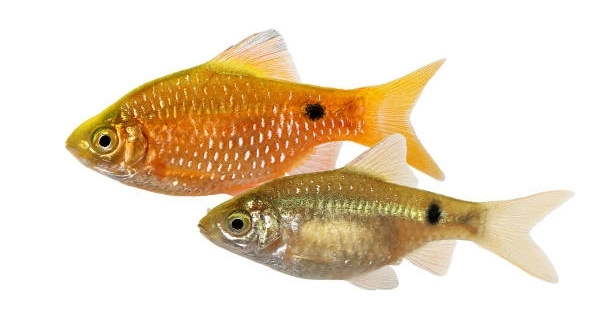
Are your rosy barbs suddenly lining up along the glass or near the filter? This behavior can be surprising for many aquarium owners, especially if the fish usually swim freely. Understanding why they do this helps improve their care.
Rosy barbs often line up due to environmental factors such as water quality, stress, or changes in their surroundings. They may also display this behavior as a social response or to establish territory within the tank.
Knowing the reasons behind their lining up can help you create a more comfortable and healthy space for your fish to thrive.
Common Reasons Rosy Barbs Line Up
One common reason rosy barbs line up is water quality issues. Poor water conditions can make fish uncomfortable and stressed, causing them to gather in specific areas like near the filter or where the water is clearer. Changes in temperature or pH can also trigger this behavior. Another factor is the presence of strong currents. Rosy barbs might align themselves along the glass or flow path to avoid fighting strong water movement. Additionally, if the tank is overcrowded or lacks hiding spots, the fish may form groups for safety. Sometimes, this alignment is a form of social behavior, where they swim together to feel secure. Observing these behaviors can give you clues about their environment. Adjusting water parameters or rearranging the tank layout often helps reduce the lining-up behavior, leading to calmer and healthier fish.
Watching your rosy barbs closely can help spot signs of stress before they worsen.
Keeping a stable environment is key to preventing unwanted behaviors in your tank.
How to Improve Their Environment
Making sure your aquarium has clean, balanced water is the first step to calming your rosy barbs. Regular water tests and partial water changes help maintain the right conditions. Adding plants and decorations provides hiding places, reducing stress and giving them room to explore. Avoid overcrowding by keeping the fish population suitable for your tank size. Gentle filtration that doesn’t create strong currents can also make a big difference. Feeding them a varied diet keeps them healthy and less restless. Sometimes, rearranging the tank to break up open swimming spaces stops them from lining up all the time. Creating a peaceful environment encourages natural behavior and helps your rosy barbs feel safe and comfortable in their home.
Signs of Stress in Rosy Barbs
Stress can make rosy barbs behave differently, including lining up. Common signs include clamped fins, loss of color, and reduced activity. Stress may also cause them to hide or stop eating. Recognizing these signs early helps in taking quick action to improve their environment.
Stress often results from poor water quality, sudden changes, or overcrowding. When fish feel threatened, their immune systems weaken, making them prone to disease. Continuous stress can lead to serious health problems. Sometimes, bright lighting or loud noises outside the tank cause anxiety. To reduce stress, maintain stable water conditions and create a calm space. Adding plants or decorations provides shelter, making fish feel safer. Avoid overfeeding and keep a consistent feeding schedule. Gentle water flow and minimal tank disturbances also help create a relaxed environment for your rosy barbs.
By paying attention to these signs and adjusting care, you can help your fish return to normal behavior and stay healthy longer.
Social Behavior and Group Dynamics
Rosy barbs are social fish that often swim in schools for safety and comfort. When they line up, it can be part of their natural group behavior. Staying close together helps protect them from perceived threats and reduces stress.
Schooling also allows them to communicate and establish a hierarchy within the group. Younger or weaker fish may stay near others to feel more secure. When conditions in the tank are stable, this behavior looks natural and healthy. However, if they line up rigidly or seem tense, it may indicate environmental issues. Observing how they interact can give clues about their well-being. Ensuring enough space and hiding spots supports healthy social dynamics. In a peaceful setting, rosy barbs will swim freely and show more vibrant colors. Encouraging natural schooling behavior helps them thrive and feel safe in their environment.
Tank Size and Space Considerations
Rosy barbs need enough space to swim comfortably. A small or overcrowded tank can cause them to line up or group tightly. Giving them room helps reduce stress and promotes natural behavior.
A larger tank also allows for better water quality and more stable conditions. When space is limited, competition for resources increases, making fish anxious.
Lighting and Its Impact on Behavior
Lighting affects how rosy barbs behave. Too bright or harsh lights can stress them, causing them to line up near shaded areas. Using adjustable or softer lighting helps fish feel more secure and less likely to cluster.
Feeding Patterns and Their Effects
Feeding times influence rosy barbs’ movement. They may line up anticipating food or compete for it. Regular feeding schedules and balanced diets reduce this behavior and keep them calm.
Monitoring Water Flow
Strong currents push rosy barbs into lines to resist flow. Adjusting filters to create gentle movement encourages natural swimming and reduces tight grouping.
FAQ
Why do my rosy barbs line up only at certain times?
Rosy barbs may line up during feeding times or when the tank environment changes. They often gather near the filter or surface, expecting food. Changes in water temperature, light, or noise can also trigger this behavior. Observing patterns can help identify specific triggers and improve their comfort.
Is it normal for rosy barbs to line up along the tank glass?
Yes, it is normal behavior in many cases. Rosy barbs may line up along the glass to rest, avoid strong currents, or because they feel safer near the edges. However, if the behavior is constant or paired with signs of stress, it could indicate an issue with tank conditions.
How can I tell if my rosy barbs are stressed?
Look for clamped fins, dull colors, erratic swimming, or hiding more than usual. Stressed fish may stop eating or show slower movements. Checking water quality and tank conditions regularly helps prevent stress before it becomes serious.
Can tank mates affect rosy barbs’ lining up behavior?
Yes, aggressive or territorial tank mates can cause rosy barbs to line up tightly for protection. Peaceful community fish help reduce stress. If your barbs seem nervous or crowded, consider adjusting tank mates or adding more hiding spots.
Does water temperature influence their behavior?
Water temperature affects fish metabolism and activity. If the water is too cold or too warm, rosy barbs may line up near filters or heaters to find comfort. Keeping temperature stable between 68°F and 78°F helps maintain normal behavior.
What role does water flow play in rosy barbs lining up?
Strong water currents make rosy barbs line up to swim against the flow or find calmer spots. Reducing flow strength or changing filter direction creates a gentler environment and encourages more natural swimming patterns.
How often should I change the water to prevent lining up due to stress?
Regular water changes every one to two weeks are recommended. Keeping water clean and stable reduces stress. Testing water parameters like ammonia, nitrite, and nitrate levels helps you know when changes are needed.
Can lighting cause rosy barbs to line up?
Bright or inconsistent lighting can stress fish, causing them to seek shaded or quiet areas in groups. Using dimmable lights or providing plants for shade makes the environment more comfortable.
Is lining up a sign of illness?
Sometimes, but not always. Ill fish may line up due to weakness or discomfort. Look for other symptoms like spots, swelling, or labored breathing. If you suspect illness, test water quality and consult care guides or a vet.
How does tank size affect this behavior?
Small tanks limit swimming space, increasing stress and causing fish to group tightly. Larger tanks with enough room to swim freely reduce this behavior. Aim for at least 20 gallons for a small school of rosy barbs.
Should I add plants or decorations to reduce lining up?
Yes, adding plants and decorations provides hiding spots and breaks up open swimming areas. This helps fish feel safe and lowers stress, which can reduce lining up behavior.
Can feeding routine changes help?
Consistent feeding times and balanced diets reduce competition and anxiety during feeding. Avoid overfeeding, which can pollute the water and stress fish. A calm feeding routine encourages natural movement and less lining up.
What is the best way to observe their behavior?
Spend time watching your rosy barbs at different times of day. Note when they line up and what’s happening in the tank. This helps identify patterns and possible triggers so you can adjust their environment effectively.
Are rosy barbs schooling fish?
Yes, they are naturally schooling fish. Grouping together helps them feel secure and less vulnerable. Encouraging schooling by keeping them in small groups improves their well-being and reduces abnormal behaviors.
What should I do if the lining up doesn’t stop?
Review all tank conditions: water quality, temperature, space, lighting, and tank mates. Make gradual changes to improve the environment. If behavior persists with signs of illness, consider seeking professional advice for treatment.
Final Thoughts
Rosy barbs lining up in the tank is a behavior many fishkeepers notice and wonder about. It can be a sign that your fish are reacting to their environment in some way. Sometimes, they line up because of changes in water quality, temperature, or lighting. Other times, it is simply a natural social behavior since rosy barbs like to swim together in groups. Understanding these reasons can help you care for them better and create a more comfortable home for your fish.
Keeping your tank clean and well-maintained is one of the best ways to prevent stress that causes lining up. Regular water changes and monitoring of water parameters like pH, ammonia, and nitrate levels make a big difference. Also, make sure the tank size is appropriate for the number of rosy barbs you have. Overcrowding can lead to stress and unusual behavior. Adding plants and decorations can provide hiding spots, making your fish feel safer and more at ease. These simple steps help your rosy barbs swim freely and stay healthy.
It’s important to watch your fish closely for other signs of stress or illness. Clamped fins, faded colors, and loss of appetite are signals that something might be wrong. If you notice these, try to improve the tank conditions and see if the behavior changes. If it doesn’t, you may need to seek advice from a fish care expert. Overall, paying attention to your rosy barbs’ behavior and environment will help you keep them happy and healthy. The lining up you see is often just one part of how they respond to their surroundings, and with the right care, you can help your fish feel comfortable and thrive.

Hello,
If you enjoy the content that we create, please consider saying a "Thank You!" by leaving a tip.
Every little bit helps us continue crafting quality advice that supports the health, happiness, and well-being of pets around the world, for pets of all shapes, sizes, and species.
We really appreciate the kindness and support that you show us!