
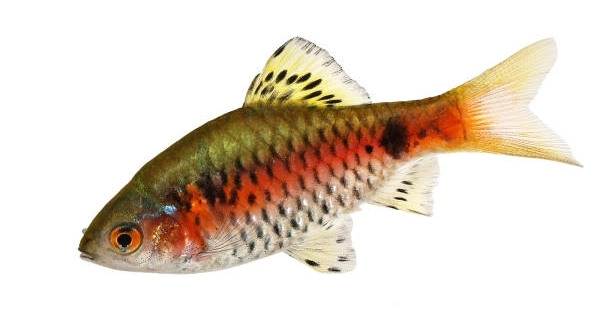
Rosy barbs are popular freshwater fish known for their vibrant colors and active behavior. Many aquarium enthusiasts keep them as part of their home tanks. These fish often respond to changes in their environment, making them interesting to observe.
Rosy barbs can detect minor changes in water quality, such as shifts in temperature, pH, or chemical balance. Their sensitivity allows them to react quickly to unfavorable conditions, which can affect their behavior and overall health.
Understanding how these fish respond to water changes can help keep your aquarium healthy and your rosy barbs comfortable in their habitat.
How Rosy Barbs Sense Water Changes
Rosy barbs have well-developed sensory systems that help them detect changes in their environment. Their skin and gills are sensitive to variations in water temperature, pH, and dissolved oxygen levels. When these factors shift, rosy barbs may show signs of stress like rapid swimming, hiding, or reduced appetite. These fish are used to stable water conditions, so even small changes can make a difference. For example, a slight drop in temperature or a shift in acidity can trigger their natural instincts to find safer areas. Monitoring their behavior can give early warnings about water quality. Regular testing of tank water and gradual adjustments can help prevent stress. It is important to keep the environment steady for their well-being. Observing how rosy barbs react can also help in identifying water problems before they become serious.
Their sensitivity makes them reliable indicators of water quality in home aquariums.
Being aware of their reactions helps maintain a healthier tank environment for all fish.
Signs of Stress in Rosy Barbs
Rosy barbs often display clear signs when water conditions change suddenly.
Stress in rosy barbs can include loss of color, erratic swimming, and hiding. These behaviors usually mean the water quality has shifted in a way that affects their comfort. Poor water conditions can weaken their immune system, making them more prone to disease. In some cases, they may stop eating or become lethargic. If these signs appear, checking the water parameters immediately is crucial. Sometimes changes come from overfeeding, poor filtration, or new decorations affecting water chemistry. Fixing these issues quickly can improve their health and reduce stress. Keeping a consistent routine for water changes and tank maintenance prevents sudden shocks. Understanding how stress shows up in rosy barbs helps maintain a balanced aquarium where they can thrive. This knowledge allows you to act before problems escalate and keeps the fish lively and healthy.
Maintaining Stable Water Conditions
Keeping water stable is essential for rosy barbs’ health. Sudden changes can stress them out and lead to illness.
Regular water testing helps catch any shifts early. Using a good filtration system keeps water clean and balanced. Changing only a small portion of the water at a time avoids shocking the fish. Maintaining consistent temperature and pH prevents unnecessary stress. Avoid adding too many fish at once to keep the tank environment steady. Simple steps like these can make a big difference in their comfort.
Feeding rosy barbs a balanced diet also supports their ability to handle minor water changes. Proper care reduces stress and helps them stay active and colorful, even if the water conditions aren’t perfect.
Using Rosy Barbs as Water Quality Indicators
Rosy barbs’ reactions can signal when water quality starts to decline. Watching their behavior closely gives early warning signs before problems worsen.
If rosy barbs swim erratically or lose their usual brightness, it’s time to test the water. These fish often show stress before other species, making them reliable indicators. This helps you address water issues quickly, avoiding major harm to the tank’s ecosystem. Using rosy barbs as natural sensors can save time and effort in maintaining the aquarium. Their behavior acts as a guide for keeping the environment safe and healthy. This approach encourages proactive care and helps prevent sudden tank problems.
Common Causes of Water Changes
Water changes in aquariums happen for several reasons. Overfeeding, poor filtration, and waste buildup often cause water quality to drop.
Unclean tanks allow toxins like ammonia and nitrites to rise. These substances harm rosy barbs quickly if not addressed.
How to Minimize Stress During Changes
Gradual water changes reduce stress on rosy barbs. Replacing only 10-20% of water at a time helps them adjust slowly.
Maintaining stable temperature and pH during changes prevents sudden shocks. Using a water conditioner removes harmful chemicals from tap water, making changes safer for the fish.
Importance of Monitoring Water Parameters
Regularly checking temperature, pH, ammonia, nitrites, and nitrates keeps the tank environment stable. This prevents sudden shifts that could stress or harm rosy barbs.
Keeping these parameters within safe ranges supports their health and well-being.
Tips for a Healthy Rosy Barb Tank
Avoid overcrowding and maintain good filtration to keep water clean. Feed balanced meals and perform regular water changes. These habits promote a happy, healthy environment for rosy barbs.
FAQ
Can rosy barbs survive sudden water changes?
Rosy barbs are somewhat sensitive to sudden changes in their environment. Large or rapid shifts in temperature, pH, or water chemistry can stress them out and weaken their immune system. It’s best to avoid sudden changes by performing small, gradual water changes to keep them comfortable and healthy.
How often should I change the water in a rosy barb tank?
For a healthy tank, change about 10-20% of the water every one to two weeks. This helps remove waste and toxins while keeping water parameters stable. Overdoing water changes can shock the fish, so slow and steady is the best approach.
What water temperature is ideal for rosy barbs?
Rosy barbs prefer water temperatures between 68°F and 75°F (20°C to 24°C). Keeping the temperature consistent within this range helps reduce stress and keeps them active and colorful.
Can changes in water pH harm rosy barbs?
Yes, sudden shifts in pH can be harmful. Rosy barbs do best in a pH range of 6.5 to 7.5. Large swings outside this range can cause stress, making them vulnerable to illness. Monitor pH regularly to avoid surprises.
What signs show my rosy barbs are stressed?
Look for pale coloration, rapid or erratic swimming, hiding more than usual, or loss of appetite. These signs often mean the water conditions are off or changing too quickly. Checking water quality immediately can help pinpoint the problem.
Can rosy barbs tolerate tap water?
Tap water usually contains chlorine or chloramine, which are harmful to fish. Always use a water conditioner to remove these chemicals before adding tap water to the tank. Properly treated tap water can be safe for rosy barbs.
What is the best way to acclimate rosy barbs to a new tank?
Introduce them slowly by floating the sealed bag in the tank for about 15-20 minutes. Then, add small amounts of tank water to the bag every 10 minutes for about an hour. This gradual process helps the fish adjust to water conditions without shock.
Do rosy barbs need a special diet during water changes?
No special diet is needed specifically for water changes. However, feeding them high-quality, balanced food helps maintain their health and resilience. Avoid overfeeding, as leftover food can pollute the water and increase stress.
How can I prevent water quality issues in my tank?
Regular cleaning, proper filtration, not overcrowding the tank, and controlling feeding amounts are key. Testing water parameters often allows early detection of problems, helping to keep the environment stable for rosy barbs.
Can adding plants help stabilize water quality for rosy barbs?
Yes, live plants absorb nitrates and help keep water cleaner. They also provide hiding spots that reduce stress. Choosing easy-to-care-for plants can improve the tank’s balance and create a better environment for rosy barbs.
What should I do if my rosy barbs show signs of illness after a water change?
First, test the water to check for changes in temperature, pH, ammonia, or nitrites. If parameters are off, correct them slowly. Isolate sick fish if needed and consider consulting a vet or aquatic specialist for treatment advice. Prompt action increases chances of recovery.
Is it normal for rosy barbs to be more active during water changes?
Some increased activity or restlessness can happen as they react to new conditions. However, if activity becomes frantic or they show signs of distress, it may indicate the water change was too sudden or parameters are off. Always aim for gradual adjustments.
How do cloudy or foul-smelling water affect rosy barbs?
Cloudy or smelly water usually means waste buildup or bacterial growth, which can harm rosy barbs. It reduces oxygen and increases toxins. Regular cleaning and water changes are necessary to maintain a healthy environment.
Are rosy barbs more sensitive to certain chemicals in water?
Yes, they are sensitive to ammonia, nitrites, and chlorine. Even small amounts can cause stress or illness. This makes regular water testing and conditioning essential to their care.
Can rosy barbs live with other fish during water changes?
They can live with other peaceful fish if water conditions are stable. However, stress from water changes affects all fish, so it’s best to keep changes slow and controlled. Avoid overcrowding to reduce stress and maintain balance.
What equipment helps keep water stable for rosy barbs?
A reliable filter, heater with thermostat, and water testing kits are important. The filter removes waste, the heater keeps temperature steady, and testing kits let you monitor water quality regularly.
Can rosy barbs detect water changes better than other fish?
They are fairly sensitive compared to some species. Their behavior often shows early signs of water quality issues, making them good indicators in a community tank.
What is the best way to prepare tap water for rosy barbs?
Use a water conditioner to neutralize chlorine and chloramine. Let the water sit for a few hours or use aeration to remove gases. Testing the water after preparation ensures it’s safe before adding to the tank.
How important is aeration during water changes?
Aeration helps maintain oxygen levels, especially during and after water changes. Rosy barbs need well-oxygenated water to stay healthy, so using air stones or a bubbler can be beneficial.
Can stress from water changes cause long-term problems?
Repeated stress weakens immune systems and may lead to disease or shorter lifespans. Preventing stress by maintaining stable water conditions is key to long-term health.
Is it okay to skip water changes if the tank looks clean?
No, clear water doesn’t always mean safe water. Harmful chemicals can build up even if the tank looks clean. Regular water changes and testing keep the environment healthy for rosy barbs.
Do rosy barbs need time to recover after water changes?
Yes, they may hide or reduce activity for a short time after changes. Giving them a calm environment and stable conditions helps them recover quickly.
Can water hardness affect rosy barbs during changes?
Sudden changes in water hardness can stress rosy barbs. They prefer moderately hard water. Testing hardness and adjusting slowly prevents shock and health problems.
What should I avoid when performing water changes?
Avoid changing too much water at once, using untreated tap water, and letting temperature or pH swing suddenly. These mistakes cause stress and health issues for rosy barbs.
How can I tell if water conditions are ideal for rosy barbs?
Healthy rosy barbs are active, colorful, and eat well. Clear water with stable temperature, pH, and low toxins means good conditions. Regular monitoring helps maintain this balance.
Rosy barbs are lively and colorful fish that can bring joy to any aquarium. Their sensitivity to water conditions means they react quickly to changes in their environment. This trait makes them helpful indicators for monitoring water quality. When water changes happen gradually and carefully, rosy barbs stay healthy and active. Sudden or large shifts in temperature, pH, or chemical balance can cause stress and affect their well-being. Keeping a steady and clean environment is essential to support their health and vibrant behavior.
Maintaining stable water conditions requires regular care and attention. Testing the water often helps detect changes before they harm the fish. Using a good filter, performing small water changes, and avoiding overcrowding all contribute to a balanced tank. Feeding rosy barbs the right diet also supports their resilience. While it may seem like a lot to manage, these small steps make a big difference in the long run. Rosy barbs respond well when their environment is consistent, showing bright colors and lively swimming.
In summary, understanding how rosy barbs detect and respond to water changes can improve your aquarium experience. Their behavior serves as an early warning system that helps you take action before problems grow. Simple habits like gradual water changes and careful monitoring protect their health and keep the tank safe. When you prioritize stable conditions, rosy barbs thrive and bring lasting enjoyment to your home aquarium.

Hello,
If you enjoy the content that we create, please consider saying a "Thank You!" by leaving a tip.
Every little bit helps us continue crafting quality advice that supports the health, happiness, and well-being of pets around the world, for pets of all shapes, sizes, and species.
We really appreciate the kindness and support that you show us!