
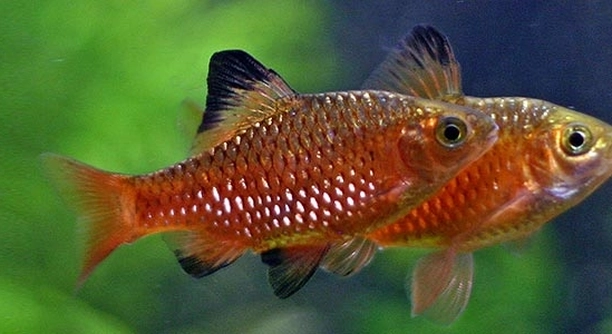
Have you ever kept Rosy Barbs and noticed they sometimes miss a meal or ignore their food for a day or two?
Rosy Barbs can tolerate short-term fasting without serious health effects, especially in a well-maintained aquarium. However, prolonged or repeated missed meals can weaken their immune system, slow their growth, and cause stress-related issues.
Knowing how food affects their behavior and well-being can help you create a healthier and more stable environment for your fish.
How Missing a Meal Affects Rosy Barbs
When a Rosy Barb skips a meal, there isn’t always an immediate problem. These fish can go a couple of days without food, especially if they’re otherwise healthy and living in a clean, well-filtered tank. However, missing meals too often or over a longer period may lead to stress. Rosy Barbs are active fish, and they burn a lot of energy throughout the day. Without regular feeding, they can begin to slow down, lose color, or even start picking at plants or other tank mates. Their immune system can also weaken, making them more prone to illness. Food isn’t just for growth—it helps them maintain balance and energy. Keep an eye on changes in behavior, such as hiding more than usual or swimming less, as these may be early signs that they aren’t getting enough nutrition.
Short-term fasting can be safe, but it shouldn’t become a regular part of their care routine.
If Rosy Barbs go too long without food, their natural activity levels will drop. They may become more aggressive or begin to show subtle signs of discomfort. Their bodies rely on steady nutrition to maintain energy, immunity, and health, so consistent feeding is essential.
Common Reasons They Miss a Meal
Rosy Barbs may ignore food due to stress, illness, or changes in their environment. Water temperature, tank mates, or sudden light shifts can also cause them to stop eating.
Stress is the most common reason Rosy Barbs refuse food. A new environment, loud noises, or aggressive tank mates can make them feel unsafe. When fish feel threatened, they often avoid eating. Illness can also play a role. If a Rosy Barb is unwell, it may hide, lose interest in food, or show physical signs like clamped fins, faded colors, or bloating. Water quality is another important factor—poor conditions can lead to ammonia buildup, which affects their appetite. A sudden drop or rise in temperature can cause the same reaction. Even feeding the wrong type of food or offering something too large to eat may make them skip meals. Observing their behavior and keeping their environment stable can help reduce these issues and encourage healthy eating habits.
How to Help Them Eat Again
Start by checking the water conditions. Poor quality water can affect their appetite quickly. Test for ammonia, nitrite, nitrate, and temperature to ensure everything is stable. Clean the tank if needed, and make gradual adjustments to avoid further stress.
If the water quality is fine, watch how your Rosy Barbs behave during feeding. Sometimes they may not like the food offered or struggle with its size. Try offering smaller pieces or switching to a different type of food, like flakes, pellets, or frozen options. Softened peas or blanched vegetables can also help stimulate interest. Feed small amounts at a time to avoid leftovers that could dirty the tank. If aggression is an issue, observe whether other fish are preventing them from reaching the food. Separating the feeding spots or using feeding rings can reduce competition and help shy fish eat more easily.
Some Rosy Barbs may need a few days to adjust after a move or a stressful event. During that time, stay consistent with feeding routines. Feed at the same time every day, and turn off bright lights during meals if they seem scared. Limit tank activity and avoid tapping the glass. If a fish continues to skip food after several days and shows signs of illness, consult a vet familiar with aquatic pets. It’s important to act early before health problems become harder to manage. Keeping a log of feeding times and behaviors can also help you spot patterns and make helpful changes.
Long-Term Feeding Tips
Feed your Rosy Barbs once or twice a day, offering only what they can eat in two to three minutes. Overfeeding can lead to water quality issues and health problems, while underfeeding leaves them weak and stressed. Balance is key.
A healthy diet should include a mix of flakes or pellets, along with occasional treats like brine shrimp, bloodworms, or vegetables. Rotate their food types every few days to keep things interesting and cover different nutritional needs. Watch for any changes in appetite, activity, or appearance—they can be early signs of something wrong. Stick to a routine and avoid sudden changes in feeding time or type of food. If you go away for a few days, use an automatic feeder or ask someone to feed them based on your exact instructions. Don’t rely on feeding blocks unless absolutely necessary, as they can cause water issues and aren’t always eaten properly. A little planning goes a long way.
Signs They’re Getting Enough Food
If your Rosy Barbs are swimming actively, showing bright colors, and eagerly coming up during feeding times, they’re likely eating enough. A healthy fish will also have a full but not bloated belly and smooth, even swimming movements.
Regular waste production is another good sign. Their droppings should look solid and consistent in color. If they seem more sluggish, lose color, or hide often, they might not be eating enough—even if food is offered regularly. Watch their behavior closely after feeding sessions.
When to Worry About Skipped Meals
If your Rosy Barb skips food for more than two or three days, especially without a clear reason like recent tank changes, it could be a sign of illness. Look for physical symptoms such as clamped fins, fading color, or trouble swimming. These signs, paired with a lack of appetite, need attention.
Final Checks Before Feeding
Always observe your fish before feeding. If they look stressed or are hiding, wait a little and give them time to calm down. Feeding during a quiet moment often helps them feel safer and more willing to eat.
FAQ
Can Rosy Barbs survive a day without food?
Yes, Rosy Barbs can go a full day without food without any harm. Healthy adult fish often manage short gaps in feeding without problems. Their bodies store some energy, and if the tank is stable, skipping a meal once in a while won’t affect them much. Just don’t make it a habit.
What if my Rosy Barb hasn’t eaten in three days?
Three days without food is a sign that something may be wrong. First, check water temperature, ammonia levels, and general tank conditions. Look closely at the fish’s body for signs of illness—like color loss or unusual swimming. If everything seems normal and the fish still won’t eat, try offering a different food.
Should I isolate a Rosy Barb that refuses to eat?
Only isolate it if other fish are bullying it or competing too aggressively during feeding. If it’s not being picked on, it’s usually best to keep it in the main tank. Just observe quietly. Isolation adds stress unless necessary, so use it as a last step.
Can poor water quality stop them from eating?
Absolutely. High ammonia, nitrite, or unstable temperatures can all affect their appetite. Even if the fish looks healthy, dirty water can cause internal stress that leads to a loss of appetite. Keeping the tank clean is one of the easiest ways to prevent feeding issues.
How can I tell if my Rosy Barb is just being picky?
Picky eating in Rosy Barbs usually shows up when they ignore one type of food but respond quickly to another. Try switching to something softer or different in texture. If they eat right away, they’re probably just not interested in the food you were offering.
Is it okay to fast Rosy Barbs on purpose?
Some aquarists fast their fish one day a week to prevent overfeeding and keep the tank clean. Rosy Barbs can handle this, but it should only be done if the fish are healthy and eating well on other days. Don’t fast sick or stressed fish.
Can live plants or algae help if they miss a meal?
Yes, in tanks with live plants or natural algae growth, Rosy Barbs may nibble to satisfy some of their hunger. It’s not a full substitute for real meals, but it can help them get through a missed feeding without going hungry.
What foods help stimulate appetite in Rosy Barbs?
Frozen brine shrimp, bloodworms, and daphnia are often more tempting than flakes or pellets. These foods have a strong scent and natural movement, which can encourage feeding. Just use them in moderation and remove any leftovers quickly to keep the water clean.
How can I reduce stress around feeding time?
Feed at the same time each day in a calm setting. Turn off harsh lights, avoid loud noises near the tank, and don’t make sudden movements. If you have many fish, consider feeding at two ends of the tank to reduce crowding.
Do Rosy Barbs need variety in their diet?
Yes, they do better when their diet is mixed. Rotate between flakes, pellets, and frozen foods. Add blanched vegetables like spinach or peas once or twice a week. A varied diet supports their immune system and keeps them interested in food.
Can feeding too much cause them to stop eating later?
Yes, overfeeding can make them sluggish and uninterested in later meals. It can also cause bloating or even water quality problems. Feed only what they can finish in two to three minutes and avoid extra snacks unless necessary.
When should I call a vet?
If your Rosy Barb hasn’t eaten in over four days, looks sick, or behaves oddly, it’s best to reach out to a vet who handles fish. Fast action can make a big difference in recovery.
Final Thoughts
Taking care of Rosy Barbs means paying close attention to their eating habits, behavior, and environment. While they can safely miss a meal every now and then, regular feeding is important for their overall health. A well-fed Rosy Barb will stay active, show bright colors, and swim with energy. If they stop eating, it’s usually a sign that something in the tank needs to be checked—like water conditions, stress levels, or even the type of food being offered. Feeding isn’t just about keeping them full; it helps support their immune system, energy, and overall behavior.
Feeding routines should stay consistent. Offering food at the same time each day helps them feel secure. The food itself should be varied to meet different nutritional needs. Flakes and pellets are good for daily use, but adding frozen treats or vegetables a few times a week can make a big difference. Watching your fish during feeding time is one of the best ways to learn about their health. If one fish starts acting differently, it’s often easiest to notice during meals. You don’t need to be an expert to notice small changes—just being observant and consistent with care goes a long way.
Even experienced fish keepers deal with feeding issues from time to time. What matters most is how quickly you respond. If your Rosy Barb skips a meal, don’t panic right away. But if it keeps happening or the fish starts to look or act unwell, take it seriously. Always check water quality first, then look at other possible causes like tank stress or illness. A simple change in food or routine can often fix the problem. And if it doesn’t, seeking help from someone with experience—like a vet familiar with fish—is a smart next step. Rosy Barbs are hardy, but they still need steady care. With the right attention and routine, they can live happy, healthy lives in your tank.

Hello,
If you enjoy the content that we create, please consider saying a "Thank You!" by leaving a tip.
Every little bit helps us continue crafting quality advice that supports the health, happiness, and well-being of pets around the world, for pets of all shapes, sizes, and species.
We really appreciate the kindness and support that you show us!