
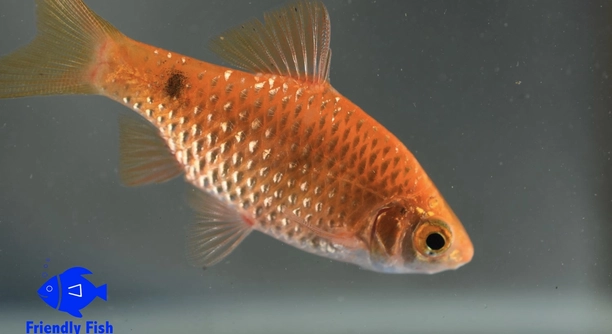
Rosy barbs are small, colorful fish often kept in home aquariums. Many owners notice these fish startle easily, reacting quickly to movements or changes in their environment. Understanding why this happens helps in caring for them better.
Rosy barbs startle easily due to their natural instincts for survival, sensitivity to water conditions, sudden changes in light or noise, and their need for adequate hiding spaces. These factors combined make them quick to react to potential threats in their environment.
Knowing these reasons helps aquarium owners create a calmer, safer space for their rosy barbs. This improves their well-being and allows their natural beauty to shine through without stress.
Natural Instincts and Survival
Rosy barbs are prey fish by nature. Their quick reactions come from an instinct to survive in the wild, where sudden movements or shadows might signal danger. This natural alertness helps them avoid predators. In home aquariums, this instinct still exists, so they startle at unexpected events like tapping on the glass or quick hand movements near the tank. Their bodies are built to respond rapidly, with fast swimming and sudden darts. These reactions may seem exaggerated in a small tank, but they are normal behaviors shaped by evolution. Understanding this helps aquarium owners realize that what looks like nervousness is actually the fish’s way of staying safe.
In addition to instinct, rosy barbs rely on their senses to detect changes quickly. Their eyesight and lateral lines pick up vibrations and movement, making them highly responsive to anything unusual around them.
Providing a stable environment reduces unnecessary stress from their survival instincts.
Sensitivity to Environment Changes
Rosy barbs react strongly to changes in water quality, temperature, and lighting. Sudden shifts in these conditions can startle them because their bodies are sensitive to even small variations. Stable water parameters are crucial for keeping them calm. For example, a rapid temperature drop or increase can trigger stress, making them jump or hide more often. Similarly, flickering or overly bright lights can unsettle their natural behavior. It’s important to keep their tank environment consistent, with gradual adjustments when needed. Using a proper filtration system and avoiding frequent water changes help maintain water clarity and chemistry, reducing stress on the fish. Consistent lighting, ideally mimicking natural daylight cycles, also supports their comfort.
Monitoring these factors and making slow, careful changes allows rosy barbs to feel secure and less prone to startling. A calm environment encourages healthier behavior and better interaction with their surroundings.
Sudden Movements and Noises
Rosy barbs react quickly to sudden movements and loud noises. Their sensitivity to these triggers makes them startle often.
In a home aquarium, activities near the tank like tapping on the glass, loud talking, or quick hand motions can frighten rosy barbs. Their natural response is to dart away to safety. These sudden reactions are normal but can cause stress if frequent. Minimizing sudden disturbances helps keep the fish calm. Moving slowly and quietly around the tank reduces their startle responses and encourages more relaxed behavior.
Over time, reducing these triggers can help rosy barbs become more comfortable in their environment, improving their overall well-being.
Need for Hiding Spots
Rosy barbs feel safer when they have plenty of places to hide. Plants, decorations, and caves in the tank offer protection.
These hiding spots provide refuge from perceived threats and allow the fish to rest without constant alertness. Without enough cover, rosy barbs can become anxious and startle more easily. Adding dense plants or aquarium ornaments creates a balanced environment where the fish can retreat when they feel threatened. This reduces stress and supports natural behavior, helping them stay calmer during sudden changes or noises. A well-decorated tank mimics their natural habitat, making them feel more secure and less prone to nervous reactions.
Schooling Behavior
Rosy barbs feel safer in groups. Being part of a school helps reduce their stress and startle responses.
When kept alone or in very small numbers, they tend to be more nervous and reactive. A proper-sized group encourages natural social behavior and a calmer tank environment.
Tank Size and Space
A cramped tank increases stress and causes rosy barbs to startle more often. Limited swimming space makes them feel trapped and vulnerable, which heightens their alertness. Providing a tank that offers enough room for swimming and exploration allows them to move freely and reduces anxiety. More space supports healthier behavior and less frequent startling.
Water Flow
Strong or irregular water flow can unsettle rosy barbs. They prefer gentle, steady currents that mimic their natural habitats. Too much water movement forces them to constantly adjust, leading to stress. Ensuring a balanced flow helps them feel comfortable and less prone to sudden reactions.
Feeding Schedule
Inconsistent feeding times or poor nutrition can increase nervousness. Regular, balanced feeding supports calm behavior.
FAQ
Why do rosy barbs startle when I approach the tank?
Rosy barbs are naturally cautious and alert to movement. Approaching the tank quickly or casting shadows can trigger their instinct to flee from potential threats. Moving slowly and calmly around the tank helps reduce their startle response over time.
Can sudden noises make rosy barbs more stressed?
Yes, loud or sudden noises can frighten rosy barbs. Their sensitive hearing picks up these sounds, which signal danger in the wild. Minimizing loud noises near the tank helps keep them calm and less likely to startle.
How many rosy barbs should I keep together?
Keeping at least six rosy barbs together is ideal. They are schooling fish and feel safer in groups. Smaller groups or solitary fish tend to be more nervous and prone to startling because they lack social comfort.
Does tank size affect their behavior?
A small tank restricts their movement and increases stress. Providing at least 20 gallons for a group of rosy barbs gives them space to swim freely and feel secure, which reduces their tendency to startle.
What kind of decorations help reduce their stress?
Plants, caves, and hiding spots help rosy barbs feel protected. Dense planting and aquarium ornaments offer places to retreat, making the fish feel less exposed and anxious, which lowers their startle frequency.
Is water quality important for their calmness?
Stable, clean water is essential. Poor water quality stresses rosy barbs, making them more jumpy. Regular water changes, proper filtration, and monitoring parameters like ammonia, nitrites, and nitrates support a healthy, calm environment.
How does lighting affect rosy barbs’ behavior?
Bright or flickering lights can unsettle rosy barbs, causing sudden movements. Using gentle, consistent lighting that mimics natural daylight helps them feel comfortable and less reactive to changes.
Can diet influence their startle response?
Yes, an inconsistent or poor diet can increase stress. Feeding them regularly with balanced, high-quality food supports overall health and reduces nervous behavior. Avoid overfeeding, as it can affect water quality and their well-being.
What should I do if my rosy barbs keep startling despite good care?
Check for hidden causes like nearby vibrations, reflections, or tank equipment noise. Sometimes subtle factors trigger their reactions. Improving tank setup and minimizing disturbances will help, but some level of startle is natural for these fish.
Are some rosy barbs more sensitive than others?
Individual temperament varies. Some rosy barbs are naturally more skittish, while others adapt quickly. Observing your fish’s behavior and adjusting care accordingly helps manage their stress levels effectively.
Rosy barbs are naturally alert fish that react quickly to changes in their environment. Their tendency to startle easily is rooted in instincts that helped them survive in the wild. While this behavior can seem worrying at times, it is a normal part of how these fish respond to potential threats. Understanding the reasons behind their reactions helps in creating a better home for them. When their environment is stable and secure, rosy barbs tend to be less nervous and display more natural, relaxed behavior.
Creating a calm environment involves maintaining good water quality, providing enough space, and offering plenty of hiding spots. Stable water conditions and gentle lighting reduce stress, while plants and decorations give the fish places to feel safe. Grouping rosy barbs in schools also supports their social needs and lowers their alertness. It is important to avoid sudden noises, quick movements, and other disturbances near the tank. These small adjustments can make a big difference in how your fish behave and feel.
While rosy barbs may never stop being cautious, reducing their stress is possible with careful care. Each fish is unique and may respond differently, so patience and observation are key. With consistent effort to meet their needs, you can enjoy watching their vibrant colors and lively swimming without constant startle reactions. In the end, understanding and adapting to their nature helps build a peaceful aquarium environment for both the fish and the owner.

Hello,
If you enjoy the content that we create, please consider saying a "Thank You!" by leaving a tip.
Every little bit helps us continue crafting quality advice that supports the health, happiness, and well-being of pets around the world, for pets of all shapes, sizes, and species.
We really appreciate the kindness and support that you show us!