
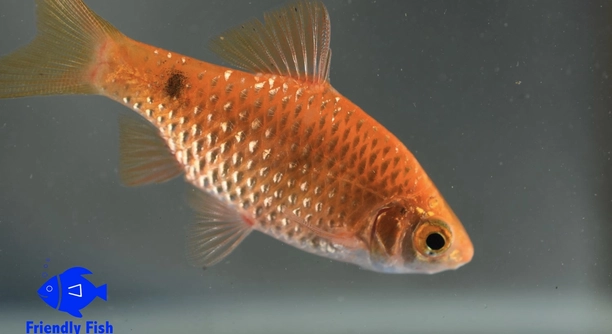
Rosy barbs are colorful freshwater fish often kept in home aquariums. Their behavior and body language offer clues about their health and emotions. Understanding these signals helps ensure a thriving aquarium environment.
Seven key body language cues from rosy barbs include changes in fin position, swimming patterns, color intensity, gill movement, eye behavior, posture, and social interaction. These cues provide insight into stress, aggression, illness, or comfort levels in the fish.
Recognizing these subtle signs can improve care routines and promote healthier, happier rosy barbs in your aquarium.
Fin Position and Movement
Rosy barbs use their fins to communicate a variety of emotions and states. When their fins are spread wide and moving smoothly, it usually indicates relaxation and comfort. However, if the fins are clamped close to the body, it can signal stress, fear, or illness. Rapid, erratic fin movements might suggest agitation or discomfort. Observing fin behavior over time can help you detect changes in their well-being early on. For example, if a fish suddenly starts holding its fins differently, it could be a sign that something in the environment has changed or that it is feeling unwell. Healthy rosy barbs often display vibrant, active fin movements, especially during feeding or social interaction. Watching for these subtle fin cues can help you respond quickly and adjust tank conditions or care to improve your fish’s health and happiness.
Fin position and movement offer reliable insight into the fish’s mood and health. Paying attention helps catch problems early.
Fins are an important communication tool for rosy barbs. Changes in fin posture or movement often reveal their emotional state or health status. A clamped fin can mean stress, while lively fin activity usually means contentment. By noting these signs, you can better understand your fish and provide the care they need to thrive.
Color Intensity and Changes
Color changes in rosy barbs are another vital body language cue. Bright, vibrant colors generally show good health and positive emotions. When the fish’s color fades or becomes dull, it often reflects stress, poor water quality, illness, or insufficient nutrition. Sometimes, color shifts can also indicate breeding readiness or dominance within a group. Watching for these changes allows for timely intervention. For example, if a fish’s color dulls after introducing new tank mates, it may be experiencing stress from aggression or territorial disputes. Proper diet, clean water, and a peaceful environment help maintain their vibrant colors. In some cases, specific illnesses cause noticeable discoloration, so knowing the baseline color intensity helps detect abnormalities early. Maintaining ideal tank conditions supports the rosy barb’s natural coloring and overall well-being.
Color intensity signals health, stress, and social status in rosy barbs.
Keeping the water clean and providing balanced nutrition helps preserve their bright colors. Monitoring color changes is a simple way to track fish health.
Colors are a direct reflection of a rosy barb’s condition. Bright hues show vitality, while dull shades suggest discomfort or illness. These changes guide you to adjust care, ensuring your fish remain lively and healthy.
Gill Movement
Rapid or heavy gill movement in rosy barbs usually signals stress or poor water conditions. Slow, steady breathing indicates calm and healthy fish.
Increased gill movement often results from low oxygen levels, high ammonia, or other water quality issues. It can also occur when fish feel threatened or are ill. Monitoring gill activity helps identify tank problems before they become serious. If gills move faster than normal, testing the water parameters is essential to ensure proper oxygen and cleanliness. Adjusting aeration or performing water changes often resolves this issue quickly.
Sometimes, rapid gill movement can be caused by parasites or infections. In such cases, treatment with appropriate medication is necessary. Observing gill movement alongside other signs helps create a clearer picture of your rosy barb’s health and needs.
Eye Behavior
Rosy barbs with clear, bright eyes are typically healthy and alert. Cloudy or bulging eyes may indicate illness or injury.
Changes in eye appearance can point to infections, poor water quality, or physical trauma. Cloudiness often develops with bacterial or fungal infections, while bulging eyes might result from internal issues. Catching these signs early can improve treatment success. Eye behavior also reflects stress; fish under constant threat may keep eyes wide open and alert. Regular tank maintenance and monitoring fish activity can reduce the risk of eye problems.
Eye health is a good indicator of overall fish condition. Paying attention to eye clarity and shape supports timely care and treatment.
Posture
Rosy barbs with an upright, balanced posture are usually healthy and relaxed. A hunched or tilted posture can signal discomfort or illness.
Abnormal posture often shows internal problems or stress. Observing posture helps identify health issues early and guide appropriate care adjustments.
Swimming Patterns
Erratic swimming, such as darting or spinning, indicates stress, poor water quality, or illness. Smooth, steady swimming reflects comfort and good health.
Social Interaction
Rosy barbs are social fish and prefer to swim in groups. Isolated or aggressive behavior may suggest stress or dominance struggles.
Detecting Stress
Stress in rosy barbs often shows through changes in color, fin clamping, or reduced activity. Addressing tank conditions can reduce stress levels.
FAQ
How can I tell if my rosy barb is stressed?
Stress signs in rosy barbs include clamped fins, faded color, rapid gill movement, erratic swimming, and hiding. These signs show discomfort from water quality issues, tank mates, or illness. Watching for these cues early helps in making necessary adjustments to their environment.
Why are my rosy barbs swimming erratically?
Erratic swimming often means stress or poor water conditions. It can also indicate illness or parasites. Check water parameters for ammonia, nitrite, nitrate, and temperature. A sudden change in swimming may signal the need for water changes, improved filtration, or medical treatment.
What does it mean when my rosy barb’s fins are clamped?
Clamped fins usually signal stress or poor health. It can result from water quality problems, aggressive tank mates, or disease. Improving water conditions and ensuring a peaceful tank environment often help fish relax and reopen their fins.
Why has my rosy barb’s color faded?
Color fading often shows stress, poor nutrition, or illness. Inadequate lighting or dirty water can also affect color vibrancy. Providing a balanced diet and maintaining clean water usually restores natural colors.
How important is social interaction for rosy barbs?
Rosy barbs thrive in groups of five or more. Social interaction reduces stress and encourages natural behavior. Isolated fish may become shy or aggressive. Keeping them in schools supports their well-being and creates a more active tank.
Can gill movement indicate disease?
Yes. Rapid or labored gill movement can suggest infections, parasites, or poor water quality. It’s important to test the water regularly and treat any disease promptly. Observing gill activity helps catch problems early.
What should I do if my rosy barb shows signs of illness?
Isolate the affected fish to prevent spreading disease. Test water parameters and improve tank cleanliness. Consult a vet or aquarium specialist for accurate diagnosis and treatment. Early intervention increases the chance of recovery.
How can I improve my rosy barb’s environment?
Regular water changes, proper filtration, balanced diet, and stable temperature create a healthy environment. Providing hiding spots and enough space reduces stress. Monitoring fish behavior helps detect issues quickly.
Is it normal for rosy barbs to hide sometimes?
Yes, occasional hiding is normal, especially during rest or after introducing new tank mates. However, constant hiding may indicate stress, illness, or bullying. Observing other behavior helps determine if intervention is needed.
What causes bulging or cloudy eyes in rosy barbs?
Bulging or cloudy eyes can result from infections, injuries, or poor water quality. Proper tank maintenance and early treatment are important. Preventing overcrowding and handling fish carefully minimizes risk.
Final Thoughts
Understanding the body language of rosy barbs is essential for their care and well-being. These fish communicate through subtle changes in their fins, colors, posture, and movements. By paying attention to these signs, you can better identify their needs and detect early signs of stress or illness. This helps ensure that they remain healthy and comfortable in their environment. Observing your rosy barbs regularly allows you to notice any changes and respond appropriately before small problems become serious.
Maintaining a stable and clean aquarium environment is key to supporting rosy barbs’ natural behaviors. Proper water quality, adequate space, and good nutrition all contribute to their vibrant colors and active lifestyles. When you understand what their body language means, you can make informed decisions about tank maintenance and care. For example, noticing clamped fins or faded colors can prompt timely water tests or changes. This proactive approach reduces stress for your fish and improves their overall health.
In summary, rosy barbs rely on body language to express how they feel. Learning to read these cues is a valuable skill for any aquarium keeper. It strengthens the connection between you and your fish and leads to a more enjoyable and successful fishkeeping experience. Consistent observation and care will help your rosy barbs thrive and brighten your aquarium with their lively presence.

Hello,
If you enjoy the content that we create, please consider saying a "Thank You!" by leaving a tip.
Every little bit helps us continue crafting quality advice that supports the health, happiness, and well-being of pets around the world, for pets of all shapes, sizes, and species.
We really appreciate the kindness and support that you show us!