
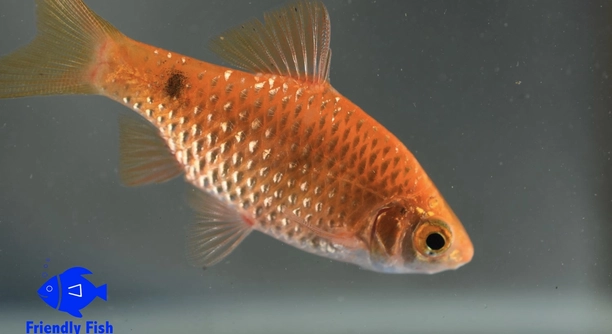
Rosy barbs are popular freshwater fish known for their vibrant colors and active nature. Many aquarium owners appreciate their lively behavior and peaceful temperament. Understanding how they react to changes in their environment is important for their care.
Rosy barbs do react to sudden tank noises with signs of stress or fright. These reactions may include darting, hiding, or increased swimming speed. Such responses are typical for many fish species as they perceive loud sounds as potential threats in their habitat.
Recognizing how noise impacts rosy barbs can help maintain a calm tank environment and promote their well-being. This article will explore their behavior and ways to minimize stress caused by sudden sounds.
How Rosy Barbs Sense Noise
Rosy barbs have sensitive lateral lines along their bodies that detect vibrations and changes in water pressure. Sudden noises near or around the tank create vibrations in the water, which these fish quickly notice. This heightened sensitivity helps them respond to potential dangers in their environment. When a loud noise occurs, the fish may interpret it as a threat, triggering a natural fight-or-flight response. This behavior is not unusual among many fish species, as they rely on sensory input to survive in the wild. In a home aquarium, sudden noises can come from closing doors, dropping objects, or loud voices. These sounds cause stress, which might affect their health over time if frequent. Maintaining a quiet and stable environment benefits the overall well-being of rosy barbs, allowing them to swim calmly and maintain their bright coloration.
Fish use their lateral lines to stay aware of their surroundings, reacting quickly to changes. Stress caused by noise can reduce their activity and appetite.
Creating a peaceful tank area with minimal loud interruptions helps rosy barbs stay relaxed. Proper tank placement away from heavy foot traffic and household noise reduces stress. Covering part of the tank with plants or decorations can also buffer vibrations. Monitoring their behavior after any loud event can alert you to stress signs, allowing quick adjustments. Over time, consistent quietness encourages natural, healthy behavior and keeps the fish active and colorful.
Common Signs of Stress from Noise
When rosy barbs experience sudden loud noises, their behavior often changes noticeably. They might swim erratically or hide behind plants and decorations. A stressed fish may lose interest in food and appear lethargic or jump frequently in the tank. These reactions signal discomfort or fear caused by environmental disturbances. It is essential to observe these signs early to prevent prolonged stress, which can weaken their immune system. Providing a calm setting minimizes the risk of such stress behaviors. Reducing sudden loud noises or vibrations helps keep the tank peaceful.
Stress signs include hiding, erratic swimming, and decreased appetite.
Consistently loud or abrupt noises in an aquarium setting create ongoing stress for rosy barbs. This stress impacts their immune response and can lead to illness or shortened lifespan. Unlike humans, fish cannot escape their environment quickly, so noise control is crucial. Setting up the tank in a quieter room or using noise-absorbing materials around the aquarium can reduce sound impact. Avoid tapping on the glass or placing the tank near speakers or appliances that generate frequent noise. Regularly checking water quality and tank conditions also supports stressed fish, helping them recover more easily. Awareness of how sound affects these fish encourages better care and a healthier tank environment.
How to Reduce Tank Noise for Rosy Barbs
Keeping tank noise low is essential for rosy barbs’ comfort. Simple steps can make a big difference in their environment.
Placing the aquarium on a sturdy, vibration-absorbing surface helps reduce noise caused by movement or external vibrations. Using a foam mat or thick towel beneath the tank is effective. Avoid placing the aquarium near doors, loud appliances, or heavy foot traffic areas. These sources increase sudden noises that upset the fish. Adding dense plants or decorations inside the tank can also soften sounds and create hiding spots, helping fish feel more secure.
Regular maintenance prevents equipment from making unnecessary noise. Clean filters and pumps work quietly, while clogged or worn parts often cause humming or rattling. Ensuring all gear fits well and functions properly lowers stress from constant background sounds. Monitoring the tank environment this way keeps rosy barbs calm and healthy over time.
The Role of Lighting and Tank Placement
Lighting affects fish behavior, and bright, flashing lights can add to stress from noise. Positioning the tank in a dimmer or softly lit area reduces visual stimuli. Combining quiet lighting with minimal noise improves the overall calmness of the aquarium.
Choosing a quiet, low-traffic spot for the tank protects rosy barbs from repeated disturbances. Rooms used mainly for relaxation or hobbies are better than busy kitchens or hallways. Consistent conditions, with stable light and sound levels, promote natural behavior and enhance fish health. This careful setup also benefits other aquatic life in the same tank, creating a peaceful environment for all.
Impact of Sudden Noises on Rosy Barbs’ Health
Sudden noises cause stress that can weaken rosy barbs’ immune systems. Prolonged exposure may lead to illness or slower recovery from disease.
Stress can also reduce their appetite, affecting growth and energy. Avoiding frequent loud sounds supports their long-term health and vitality.
How to Calm Rosy Barbs After Loud Noises
Allowing the tank to remain quiet after a disturbance helps fish recover quickly. Soft lighting and gentle water flow encourage calm behavior.
Adding hiding places or plants gives them security while they regain composure. Minimizing human activity around the tank during this time reduces additional stress.
Using Tank Decorations to Reduce Stress
Decorations and plants create safe spaces for rosy barbs. These hiding spots offer protection from perceived threats, lowering stress levels.
Adding natural or artificial plants can break up the tank environment, making it feel less exposed for the fish.
FAQ
Can sudden noises cause permanent harm to rosy barbs?
Sudden noises usually cause temporary stress rather than permanent harm. However, repeated loud noises can weaken their immune system over time. This may make them more prone to illness. Providing a quiet environment reduces the chance of long-term damage and helps them stay healthy.
How quickly do rosy barbs recover from noise stress?
Recovery time varies depending on the fish and how often the noise occurs. Generally, if the tank remains calm after a loud sound, rosy barbs can return to normal behavior within a few hours to a day. Consistent quietness helps speed up recovery.
What are the most common noises that upset rosy barbs?
Common noises include loud voices, slamming doors, dropping objects near the tank, and noisy appliances like vacuum cleaners or washing machines. Even banging on the glass or tapping the tank causes stress. Reducing these sounds near the aquarium is important.
Is it better to cover the tank to reduce noise?
Covering part of the tank with a lid or aquarium hood can help lower sound exposure. Some noise is absorbed by the cover, but it doesn’t block all vibrations. Using plants and decorations inside the tank adds extra buffering from noise and helps fish feel safer.
Can water movement mask sudden noises?
Water movement can help by keeping fish focused on the current instead of external sounds. However, if the noise is very loud or close, it will still cause stress. Gentle water flow combined with noise reduction techniques works best.
Do all fish react the same way to sudden noises?
No, different species respond differently. Rosy barbs are quite sensitive due to their natural habitat and lateral line system. Other fish may be more or less reactive. It’s helpful to observe your specific fish to understand how noise affects them.
Can stress from noise cause changes in rosy barb behavior long term?
Yes, ongoing stress can lead to long-term changes like reduced activity, loss of color, and poor appetite. These changes may indicate poor health. Minimizing noise and providing a stable environment helps prevent these effects.
Are there any signs that noise stress is affecting rosy barbs’ health?
Signs include hiding more than usual, erratic swimming, loss of appetite, or faded colors. If these symptoms last several days, it’s a good idea to check water quality and reduce noise sources to improve their condition.
How often should I check on my rosy barbs after a loud noise event?
Monitor them closely for a few hours after the noise and then daily for a week. Look for signs of stress or illness. Early detection allows you to take action quickly to protect their health.
Does feeding rosy barbs help reduce stress after a noise?
Feeding can distract fish and encourage normal behavior, but only if they are willing to eat. Forcing food on stressed fish is not helpful. Offering small amounts during calm periods supports their recovery better.
Are there equipment choices that reduce tank noise?
Yes, using quiet filters, pumps, and heaters reduces background noise. Regular cleaning and maintenance also keep equipment running smoothly and quietly. Investing in silent or low-noise aquarium gear benefits the entire tank environment.
Can human activity around the tank increase stress from noise?
Yes, frequent movement, loud talking, or sudden actions near the tank can add to noise stress. Limiting activity and speaking softly near the aquarium helps keep rosy barbs calm and comfortable.
Rosy barbs are lively fish that respond quickly to changes in their environment, including sudden noises around their tank. These noises create vibrations that the fish can easily detect, which may cause stress or fright. Understanding how these fish react to noise helps in creating a better living space for them. Keeping their tank environment calm and quiet supports their natural behavior and overall health. Reducing noise not only protects their well-being but also allows them to display their bright colors and active swimming.
Creating a peaceful tank environment involves simple steps like placing the aquarium in a quiet area and using vibration-absorbing materials underneath. Regular maintenance of equipment keeps noise levels low and prevents unnecessary sounds that may disturb the fish. Adding plants and decorations inside the tank offers hiding places and helps soften sound waves. These measures reduce the stress caused by sudden noises and improve the comfort of rosy barbs. Paying attention to lighting and avoiding overly bright or flashing lights also helps keep the fish calm.
When sudden noises do happen, giving the fish time and space to recover is important. Observing their behavior after any loud event allows timely adjustments if needed. Calm water flow, gentle lighting, and minimizing human activity near the tank all support a quicker return to normal behavior. By understanding how noise impacts rosy barbs and taking steps to reduce it, owners can help their fish live longer, healthier lives in a balanced environment. Consistent care and a quiet atmosphere are key to keeping these beautiful fish thriving.

Hello,
If you enjoy the content that we create, please consider saying a "Thank You!" by leaving a tip.
Every little bit helps us continue crafting quality advice that supports the health, happiness, and well-being of pets around the world, for pets of all shapes, sizes, and species.
We really appreciate the kindness and support that you show us!