
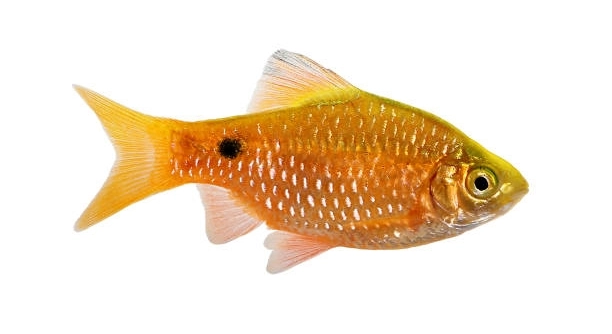
Have you ever noticed your rosy barbs spending more time near the heater and wondered what might be causing this behavior?
Rosy barbs often swim near the heater due to temperature preferences. As tropical fish, they seek out warm areas when the overall tank temperature fluctuates or drops below their comfort range, typically around 72–82°F.
Learning what triggers this behavior can help you maintain a more balanced environment and support your fish’s comfort, activity levels, and long-term well-being.
Why Rosy Barbs Seek Warmth
Rosy barbs are tropical fish that thrive in stable, warm water. When the tank temperature drops, even slightly, they may swim near the heater to stay comfortable. This behavior is common during seasonal changes or in tanks placed near windows or vents. The heater creates a small area where the water remains consistently warm, and rosy barbs are naturally drawn to it for comfort and stability. When the rest of the tank feels cooler, they will hover close to the heater more often. This doesn’t always mean there’s something wrong, but it’s a good sign to check your setup. A fluctuating or low temperature could affect their activity, immune system, and stress levels. Keeping your aquarium between 72°F and 82°F helps avoid this issue. It’s also helpful to use a reliable aquarium thermometer to confirm your heater is working well and keeping the water temperature balanced across the tank.
A warm spot gives rosy barbs a sense of comfort, especially if the tank is too cold or drafty.
If your rosy barbs constantly gather near the heater, you may need to improve water circulation. Uneven heat distribution often comes from poor flow, causing temperature pockets in the tank. A gentle filter with good output helps prevent this. You could also add an air stone or small circulation pump to keep the water moving and maintain even temperatures. Make sure the heater’s wattage is appropriate for your tank size—too small, and it won’t heat the whole tank evenly. If you’re using a preset heater, check if it’s reliable, especially during colder months. For tanks in cooler rooms, an adjustable heater with a built-in thermostat is usually the best choice. When water is evenly heated, rosy barbs will swim more freely around the entire tank instead of staying close to one spot. You’ll notice them becoming more active and showing their natural behaviors again.
Signs of Temperature Trouble
When rosy barbs crowd near the heater all day, it often signals a bigger temperature imbalance in the tank.
Low temperatures slow down their metabolism and immune response, making them more likely to become sluggish or develop health issues. Inconsistent temperatures may also lead to stress, which can weaken their ability to fight off infections. You might notice them eating less or avoiding other fish. In colder tanks, their colors may fade and their movement becomes less lively. To prevent this, make sure the heater is placed correctly, usually near the water flow to help spread the warmth. Use a thermometer at the opposite end of the tank to double-check that heat is evenly distributed. Keep an eye on their behavior daily—when rosy barbs are healthy and comfortable, they move throughout the tank, explore decorations, and interact with each other. Any ongoing signs of temperature-related stress should prompt a check of your setup to keep your fish healthy and thriving.
Heater Placement and Tank Setup
Placing your heater near the filter output helps distribute warmth evenly across the tank. This prevents hot and cold spots that can stress your rosy barbs. Heaters should always be fully submerged and positioned horizontally or at an angle for better coverage.
If the heater is tucked in a corner with poor water flow, the heat won’t spread properly. You may notice fish clustering nearby while ignoring cooler areas. This uneven distribution is common in tanks with minimal circulation. To fix this, use a filter that creates a steady, gentle current across the tank. You can also add a second heater on the opposite side for large tanks. Avoid placing the tank near windows, doors, or vents where drafts can cool one side. Keeping the tank away from temperature fluctuations outside the water helps create a more stable environment for your rosy barbs to swim comfortably throughout the tank.
A tank with proper insulation and stable room temperature supports better heat retention. If the room gets cold at night, consider placing a background or insulating foam on the back and sides of the aquarium. A lid also helps prevent heat loss. Choose a heater with the right wattage for your tank size—generally, 3–5 watts per gallon is ideal. Using a thermometer on both ends of the tank allows you to check for balance. When your setup is right, you’ll see your rosy barbs swimming evenly throughout the space, showing healthy movement and color. If they keep returning to one area, something may still be off in your layout or water circulation.
Other Environmental Factors
Poor water quality can push rosy barbs toward the heater area, especially if that zone has slightly better circulation. If ammonia or nitrite levels rise, fish will seek any space that feels more stable.
Inconsistencies in lighting, noisy surroundings, or overcrowding can also cause stress. Rosy barbs are active and social fish, so they need room to swim and explore. Too much tank décor or too many fish can make them feel boxed in. If their space feels tight, they may choose one area to stay in, especially near consistent heat. Regular maintenance is important—clean filters, test water weekly, and watch for any behavior changes. A sudden increase in hiding or hovering near the heater may be a reaction to an unbalanced environment. Adjust lighting to match their natural rhythm and avoid placing the tank near speakers or heavy foot traffic. A calm, clean setup supports healthy movement and confidence.
Seasonal Shifts and Room Temperature
During colder months, room temperature can drop enough to affect your tank, even with a heater running. If the heater struggles to maintain warmth, rosy barbs may stick to the warmest spot they can find.
Sudden drafts from open windows or doors can lower water temperature quickly. This change might not always show on a basic thermometer, but the fish will feel it. Watch for signs like clustering near the heater or reduced swimming.
When to Adjust the Heater
If you notice your rosy barbs staying near the heater more often, it’s usually time to reassess your heater settings or its wattage. An adjustable heater with a thermostat is best for tanks in rooms with changing temperatures. For better accuracy, use two thermometers—one near the heater and one on the opposite end. This will show if the heat is reaching all corners of the tank. If there’s a big difference, you might need a small second heater or better water circulation. Make small adjustments and wait at least 24 hours before checking temperature changes. Always unplug the heater before handling it.
Behavior That Needs Attention
Lethargy, clamped fins, or hiding may signal temperature stress. If paired with staying close to the heater, something in the tank setup may need adjusting.
FAQ
Why do my rosy barbs only stay near the heater at night?
This usually happens when the room temperature drops during nighttime hours. Even a small drop can lower the water temperature, making your fish seek the warmest spot in the tank. If your heater is underpowered or not set high enough, the temperature might dip below their comfort zone. A tank that feels fine during the day might get too cold at night, especially in winter. Try checking the water temperature early in the morning to compare. You might need to increase the heater setting slightly or insulate the tank better to maintain warmth overnight.
Is it bad if they stay by the heater all day?
If your rosy barbs spend most of their time hovering near the heater, it often means the rest of the tank isn’t warm enough or evenly heated. This behavior shouldn’t be ignored for long. Prolonged exposure to uneven temperatures can cause stress, lower immunity, and affect activity levels. Make sure the heater is powerful enough for the tank size, and check if water circulation is pushing heat evenly throughout the space. Rosy barbs should swim freely all over the tank—not just stay near one spot. Constant heater hovering can signal a setup problem.
How do I know if the tank temperature is too low?
A thermometer is essential, but fish behavior gives clues too. If rosy barbs seem sluggish, less colorful, or gather only in warm areas, the temperature might be too low. Their ideal range is 72–82°F. Use two thermometers on opposite sides of the tank to check for temperature differences. If the numbers vary by more than 2–3 degrees, circulation or heater placement may be the issue. Low temperatures also slow their digestion and activity. If feeding behavior changes or they avoid other fish, it’s worth checking the water temperature right away.
Can poor circulation make one side of the tank colder?
Yes, weak water movement can lead to warm and cool pockets inside the tank. If your heater is on one side and there’s little flow to move that warm water across, the other side may stay colder. This can cause fish to gather only near the heated area. A good filter or a small circulation pump helps solve this by distributing the heat more evenly. You don’t need a strong current—just enough to move water throughout the tank without stressing the fish. Watch how your rosy barbs move. If they avoid the far end, check the temperature difference.
Do I need a second heater?
Not always, but in larger tanks or tanks in cold rooms, a second heater can help maintain stable temperatures. Place it on the opposite end from the first heater to balance heat more effectively. This is especially helpful in tanks over 40 gallons. If you notice a significant temperature drop on one side, and your fish huddle near the other, adding a second heater can make a big difference. Just be sure both heaters are the correct wattage and have adjustable thermostats. Monitor temperature changes closely after making any additions.
What heater size is best for rosy barb tanks?
A good rule is 3–5 watts per gallon. For example, a 20-gallon tank needs a 60–100 watt heater. If the room gets cold often, use the higher end of the range. An underpowered heater won’t be able to keep up during colder nights or winter months. Adjustable heaters with thermostats are more reliable than preset models. Also, consider the placement—heaters work better near water flow, like close to the filter outlet. A properly sized and placed heater makes it easier to keep the temperature stable across the whole tank.
What else should I check if heater placement and wattage are fine?
If the heater is strong enough and placed correctly, but your rosy barbs still stick near it, look at other factors. Poor insulation around the tank, cold room drafts, or weak circulation can all create uneven heating. Also check the heater’s condition—it may be malfunctioning or not heating consistently. Use a thermometer to verify its accuracy. Some heaters lose effectiveness over time, even if the light is still on. Lastly, review your tank lid and background. A tight-fitting lid and insulated background can help hold heat in and reduce sudden cooling.
How long does it take for water to adjust after changing the heater setting?
Most heaters take several hours to adjust the water temperature, depending on the tank size and how much the temperature needs to rise. For changes under 2°F, expect about 4–6 hours. For bigger changes, give it at least 12–24 hours. Avoid frequent adjustments, as this can stress your fish. If you increase the temperature setting, do so gradually—no more than 2°F per day. Always monitor with a thermometer during adjustments. Watch your fish as well. If they become more active and swim throughout the tank again, the change is likely helping.
Final Thoughts
Rosy barbs are active, curious fish that enjoy swimming across the entire tank. When they stay close to the heater for long periods, it often points to a deeper issue. Most of the time, it’s related to water temperature, either being too low or not evenly spread throughout the tank. Small temperature changes may not be obvious right away, but your fish will react to them. Watching how they move and where they spend their time can give you helpful clues. Heater wattage, placement, and circulation all play an important role in keeping their environment safe and stable.
Making sure your tank has balanced heat, good water flow, and proper insulation helps prevent behavior linked to stress or discomfort. A thermometer on both sides of the tank can show if one area is staying too cold. If there’s more than a two-degree difference between them, your fish will likely stay near the warmest zone. Room temperature can also impact your setup. In colder seasons, tanks in drafty areas may need extra support, like insulation or a second heater. These small adjustments can help create a more even and comfortable space. When the water temperature is steady, your rosy barbs will move more freely and behave more naturally.
Observing small changes in your fish’s behavior is one of the best ways to spot problems early. If they start spending too much time near the heater, check for temperature imbalances, water quality issues, and possible cold spots in the tank. Addressing these factors quickly can reduce stress and protect your fish from long-term health effects. Keeping the tank warm, clean, and calm supports their overall well-being. With a bit of attention and small improvements, you can provide a healthy home where rosy barbs thrive. A consistent environment leads to better color, more energy, and natural social behavior. Watching them swim throughout the tank with ease is a good sign that everything is working well.

Hello,
If you enjoy the content that we create, please consider saying a "Thank You!" by leaving a tip.
Every little bit helps us continue crafting quality advice that supports the health, happiness, and well-being of pets around the world, for pets of all shapes, sizes, and species.
We really appreciate the kindness and support that you show us!