
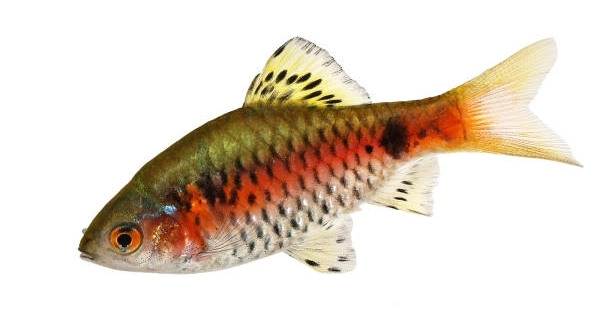
Rosy barbs are popular aquarium fish known for their bright colors and active nature. Many hobbyists enjoy keeping them in home tanks because they add life and movement to the water. Their behavior can sometimes indicate changes in the aquarium environment.
Rosy barbs do show behavioral signs when water conditions become unstable, such as increased stress or erratic swimming patterns. However, they are not precise indicators of water quality and should be used alongside proper testing methods to monitor aquarium stability.
Understanding how rosy barbs react can help maintain a healthy tank. This knowledge supports better care and ensures a balanced aquatic environment for these lively fish.
How Rosy Barbs React to Water Changes
Rosy barbs are sensitive to shifts in water conditions, including temperature, pH, and cleanliness. When the water becomes unstable, they often show signs such as increased activity or hiding more than usual. These fish may also swim erratically or gasp near the surface if oxygen levels drop. Such behaviors can alert aquarium keepers that something is wrong. However, these signs do not specify the exact problem, so it’s important to check water parameters regularly with proper test kits. Sudden changes in water quality can stress rosy barbs, affecting their health and coloration. Keeping the tank clean and stable helps prevent these issues. Observing their behavior combined with testing provides a better picture of water stability.
Behavioral changes in rosy barbs alone are not enough to diagnose water problems accurately. Using test kits is necessary.
Paying attention to your rosy barbs’ behavior is helpful, but consistent water testing is the best way to keep their environment safe. Regular maintenance, including partial water changes and monitoring chemical levels, ensures they stay healthy and vibrant. When water parameters remain stable, rosy barbs show calm, natural behavior and bright colors. By combining observation and testing, you can protect your fish from harm caused by unstable water conditions.
Water Parameters to Monitor Closely
Water temperature and pH are key factors for maintaining stable conditions in a rosy barb tank.
Proper temperature control is essential for rosy barbs, which thrive between 64°F and 72°F. Temperatures outside this range can cause stress and weaken their immune system. pH should be maintained between 6.5 and 7.5 to keep water chemistry balanced. Ammonia, nitrite, and nitrate levels must be closely monitored as well. Ammonia and nitrites are toxic, even at low levels, and can cause immediate harm. Nitrate should be kept low through regular water changes, as high levels lead to poor fish health. Testing kits provide accurate readings, so rely on them rather than fish behavior alone. Sudden spikes or drops in any of these parameters indicate instability. Keeping these factors steady helps ensure a safe environment for rosy barbs to thrive and display their natural colors and activity levels.
Common Signs of Stress in Rosy Barbs
Rosy barbs exhibit clear signs when stressed by poor water conditions. These include loss of color, hiding, erratic swimming, and reduced appetite. Recognizing these signs early can prevent serious health issues.
Stress affects rosy barbs by weakening their immune system and making them vulnerable to disease. When water quality declines, their bright colors dull and they may spend more time at the bottom or near the surface gasping for air. Erratic swimming patterns, such as darting or rubbing against objects, are also common. A stressed fish may stop eating or refuse food, which further weakens it. Monitoring behavior alongside water parameters helps detect problems before they become severe.
If signs of stress appear, it’s important to test the water immediately and perform partial water changes if needed. Adjusting filtration and maintaining regular tank cleaning are essential steps. Keeping the environment stable helps the fish recover quickly and regain normal behavior and coloration.
Using Rosy Barbs as a Natural Indicator
Rosy barbs’ behavior can offer clues about the tank’s overall condition, but they should not be the sole method for assessing water quality.
While they react to changes, relying only on fish behavior risks missing silent problems like slow ammonia buildup. Proper water tests give precise data on chemical levels, temperature, and pH, which fish cannot communicate directly. Using behavior as a supplementary tool helps identify issues faster but cannot replace scientific testing methods. A combination of observation and testing provides a comprehensive approach to maintaining a healthy aquarium environment. This approach supports the well-being of rosy barbs and all tank inhabitants.
Maintaining Stable Water Conditions
Stable water conditions are essential for keeping rosy barbs healthy and active. Sudden changes in temperature, pH, or chemical levels cause stress and illness.
Regular testing and consistent maintenance prevent harmful fluctuations. Keeping a schedule for water changes and cleaning helps maintain balance in the tank environment.
Best Practices for Testing Water Quality
Use reliable test kits to monitor ammonia, nitrite, nitrate, pH, and temperature regularly. Testing twice a week is recommended for most tanks. Keeping a log of results helps track trends and spot problems early. Never rely solely on fish behavior to assess water quality.
Feeding and Its Impact on Water Quality
Overfeeding can quickly degrade water quality by increasing waste and uneaten food. Feeding small amounts once or twice daily helps prevent this issue and keeps the water cleaner for longer.
Importance of Tank Filtration
Good filtration removes waste and toxins, maintaining stable water conditions and supporting the health of rosy barbs.
FAQ
Can rosy barbs survive in unstable water conditions?
Rosy barbs can tolerate minor fluctuations in water conditions, but prolonged instability leads to stress and health problems. They need consistent temperature, pH, and clean water to thrive. Frequent changes without proper care can cause illness or even death.
How often should I test the water in a rosy barb tank?
Testing twice a week is ideal for most tanks with rosy barbs. This schedule helps catch any harmful changes early, allowing prompt action. Regular testing keeps the environment safe and reduces stress on your fish.
What water parameters are best for rosy barbs?
Rosy barbs prefer water temperatures between 64°F and 72°F, pH levels from 6.5 to 7.5, and low ammonia and nitrite levels near zero. Nitrate should be kept below 20 ppm. Maintaining these parameters ensures a healthy habitat.
Can rosy barbs detect specific water issues like ammonia or nitrate spikes?
Rosy barbs show general signs of stress when water quality declines but cannot pinpoint specific issues like ammonia or nitrate spikes. Their behavior acts as a warning, but water testing is necessary to identify exact problems.
What are common signs of unhealthy water for rosy barbs?
Signs include dull or faded coloration, erratic swimming, gasping at the surface, hiding, and loss of appetite. These indicate poor water quality or oxygen levels and require immediate attention.
Is it enough to rely on rosy barbs’ behavior to check water quality?
No. While their behavior provides clues, it is not reliable enough for monitoring water quality. Using test kits regularly is the only accurate way to ensure stable water conditions.
How can I improve water quality quickly if my rosy barbs show stress?
Perform a partial water change of 25-30%, clean the filter if needed, and test water parameters immediately. Adjust temperature and chemical levels as required. These steps reduce toxins and help your fish recover.
Does feeding affect water stability?
Yes, overfeeding causes excess waste, increasing ammonia and nitrate levels quickly. Feed small portions once or twice daily to avoid water pollution and keep your tank stable.
What type of filtration is best for a rosy barb tank?
A reliable mechanical and biological filter is best. Mechanical filtration removes debris, while biological filtration breaks down harmful chemicals. Together, they maintain clear and safe water.
Can sudden temperature changes harm rosy barbs?
Sudden drops or rises in temperature stress rosy barbs and weaken their immune system. Maintaining stable temperature within their preferred range prevents illness and supports their well-being.
How often should I change the water in a rosy barb tank?
Changing 20-30% of the water weekly is recommended. This keeps toxin levels low and replenishes essential minerals. Regular water changes support long-term tank health.
Are cloudy water and algae growth signs of unstable water?
Yes. Cloudy water often indicates a bacterial bloom caused by poor filtration or overfeeding. Algae growth can result from excess nutrients. Both suggest water instability needing attention.
Can other fish help detect unstable water better than rosy barbs?
Different fish react to water changes in various ways, but none replace proper testing. Some species are more sensitive and show signs earlier, but the best approach combines observation with water testing.
What should I do if my rosy barbs appear lethargic?
Lethargy often means poor water quality or illness. Test the water immediately and perform partial water changes. Check for other symptoms and adjust conditions to support recovery.
Is it necessary to quarantine new fish before adding them to a rosy barb tank?
Yes. Quarantining new fish helps prevent introducing diseases that can stress your existing fish and affect water quality. A quarantine period of two weeks is a common practice.
These answers help clarify how to best care for rosy barbs and maintain a healthy, stable tank environment. Monitoring both fish behavior and water quality is essential for their well-being.
Final thoughts on caring for rosy barbs and maintaining stable water conditions focus on the balance between observation and regular maintenance. Rosy barbs can give hints about the health of their environment through their behavior, but these hints are general and not specific. They may show signs of stress such as hiding, loss of color, or erratic swimming when the water quality declines. However, relying only on these signs can be risky. These behaviors do not point to the exact problem or its severity. That is why it is important to use water testing kits regularly to measure parameters like temperature, pH, ammonia, nitrite, and nitrate levels. Testing gives accurate information and helps prevent serious issues before they become harmful to the fish.
Maintaining stable water conditions is essential for keeping rosy barbs healthy and vibrant. They thrive best in water that remains within certain temperature and chemical ranges. Sudden changes or poor water quality can weaken their immune system and lead to illness. Regular water changes, proper filtration, and feeding small amounts help keep the tank environment balanced. Overfeeding or neglecting water quality can cause toxins to build up quickly. This harms not only rosy barbs but all aquatic life in the tank. Keeping a consistent schedule of cleaning and testing supports a stable environment, which allows rosy barbs to display their natural colors and active behavior.
Caring for rosy barbs requires attention to both their behavior and the water they live in. Watching your fish closely is helpful, but it is not enough on its own. Combining observation with regular testing and maintenance offers the best protection for your tank. By doing this, you ensure a safe and healthy space where rosy barbs can thrive. A stable environment helps prevent stress and disease, improving the overall quality of life for your fish. Taking these simple but important steps supports the long-term health of your aquarium and its inhabitants.

Hello,
If you enjoy the content that we create, please consider saying a "Thank You!" by leaving a tip.
Every little bit helps us continue crafting quality advice that supports the health, happiness, and well-being of pets around the world, for pets of all shapes, sizes, and species.
We really appreciate the kindness and support that you show us!