
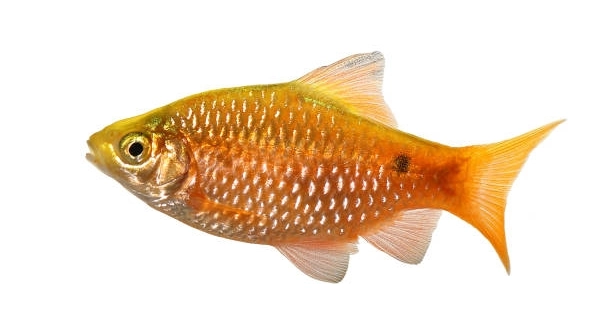
Rosy barbs are popular aquarium fish known for their vibrant colors and active behavior. Keeping them healthy requires regular observation to catch any early signs of illness or stress. Simple daily checks can help maintain their well-being.
Performing seven quick health checks each day ensures early detection of common issues in rosy barbs. These checks focus on appearance, behavior, swimming patterns, and water quality, which are critical factors influencing their overall health and longevity.
Maintaining a consistent routine with these checks supports a thriving aquarium environment and helps prevent serious health problems in your rosy barbs.
Appearance Check: Look for Color and Scale Changes
Healthy rosy barbs have bright, consistent colors and smooth scales. Any dullness, faded patches, or spots can signal illness or stress. Pay attention to raised or missing scales, as these may indicate injury or infection. Also, check for any unusual growths or white spots, which could mean parasites. Early detection is key to preventing problems from worsening. Examining your fish in good light helps you notice subtle changes. Don’t overlook the fins—frayed or clamped fins can show poor health. Regularly checking appearance lets you respond quickly and maintain your fish’s vitality.
Visual inspection is a straightforward way to gauge fish health and spot early signs of trouble.
Monitoring color and scale condition daily helps identify issues before they become serious. Consistent observation supports timely treatment and improves recovery chances. When you see changes, act quickly by adjusting water conditions or consulting a specialist. Maintaining a clean tank and balanced diet also prevents many appearance-related problems.
Behavior and Swimming Patterns
Watching your rosy barbs’ behavior can reveal much about their health. Healthy fish swim actively and interact with each other naturally. If a fish is lethargic, hiding, or isolated, it may be sick. Erratic swimming, such as spinning or darting, might indicate stress or parasites. Observing their breathing is important—rapid gill movement can show poor water quality or illness. Daily behavior checks help you notice subtle changes that often precede visible symptoms.
Consistent observation of movement and social interaction supports early intervention and care.
Changes in swimming or behavior often point to underlying problems like poor water conditions, infections, or stress. For example, a fish resting at the bottom or gasping near the surface may need immediate attention. Stress from overcrowding or incompatible tank mates can cause unusual behavior too. Keeping the environment stable and stress-free reduces risks. Monitoring their activity daily gives insight into their well-being, allowing you to adjust care promptly. Behavioral signs are often the first alert to problems, so prioritizing these checks helps maintain a healthy aquarium.
Water Quality Monitoring
Maintaining good water quality is essential for rosy barbs’ health. Regular testing helps avoid harmful conditions like high ammonia or nitrite levels. These can quickly stress or poison your fish if unnoticed.
Test the water frequently for ammonia, nitrites, nitrates, and pH. Ammonia and nitrites should always be at zero. Nitrates should remain low, ideally under 20 ppm. pH levels should stay stable between 6.5 and 7.5. Sudden shifts in any of these parameters can harm your fish and encourage disease. Using reliable test kits and performing partial water changes when needed keeps the environment safe and stable. Remember, clean water is the foundation of healthy fish.
Besides chemical testing, keep an eye on water temperature and clarity. Rosy barbs thrive between 72°F and 78°F. Too cold or too warm water stresses them and weakens immunity. Clear water with no unpleasant smell indicates proper filtration and care. Regular maintenance combined with water testing prevents many common health problems in your tank.
Feeding Habits and Nutrition
Observe how your rosy barbs eat daily to ensure they get proper nutrition. Healthy fish eagerly accept food and show no difficulty eating. Uneaten food should be removed quickly to avoid water quality issues.
Balanced nutrition is critical for maintaining vitality and coloration in rosy barbs. Feed a varied diet including high-quality flakes or pellets, supplemented with live or frozen foods like brine shrimp or bloodworms. Avoid overfeeding, as excess food can pollute the tank and cause digestive issues. Feeding small amounts 2-3 times a day helps maintain a healthy appetite and energy level. A well-fed rosy barb shows active swimming, vibrant colors, and consistent growth.
Poor nutrition weakens immune systems and can lead to diseases or slow recovery from illness. Adjust feeding based on fish size and tank conditions to prevent obesity or malnutrition. Keeping feeding routines consistent supports long-term health and enjoyment of your aquarium.
Tank Cleanliness
Regular tank cleaning prevents buildup of harmful waste and keeps the environment healthy. Removing uneaten food and debris daily reduces toxins and supports clear water.
Perform partial water changes weekly to maintain water quality. Clean substrate and decorations to avoid algae and bacteria growth that can stress rosy barbs.
Fin Condition
Inspect fins daily for tears, clamping, or discoloration. Damaged fins may indicate injury or disease.
Healthy fins are clear and fully spread during swimming. Clamped or ragged fins require immediate attention to prevent infections.
Gill Movement Observation
Watch the gill movement to monitor breathing. Rapid or labored breathing may signal poor water quality or illness.
Healthy rosy barbs have steady, relaxed gill movements. Changes in breathing patterns can be an early sign of stress or disease.
Social Interaction
Rosy barbs are schooling fish and thrive with companions. Lack of social behavior may indicate health issues or stress.
Encourage healthy interaction by maintaining a suitable group size and proper tank conditions.
How often should I perform these daily checks on my rosy barbs?
Daily checks are best done once every day, preferably at the same time. This routine helps you notice subtle changes quickly. Spending just a few minutes observing your fish and tank condition can prevent serious problems before they develop.
What are the most common signs of illness in rosy barbs?
Common signs include faded colors, clamped or torn fins, sluggish behavior, abnormal swimming, rapid gill movement, and white spots or growths on the body. Early detection through daily observation improves treatment success and fish survival.
How can I improve water quality in my tank?
Regular partial water changes of about 20-30% weekly remove toxins and keep parameters stable. Avoid overfeeding to reduce waste buildup. Using a reliable filtration system suited for your tank size helps maintain clean water. Testing water chemistry regularly ensures a safe environment.
What should I do if I notice a fish with damaged fins?
Isolate the affected fish if possible to prevent spreading infections. Improve water quality immediately and consider treatments for fin rot or bacterial infections. Monitor the fish closely and maintain a stress-free environment to support healing.
Can poor nutrition cause health problems for rosy barbs?
Yes, feeding only one type of food or overfeeding can lead to deficiencies, obesity, and weakened immunity. A varied diet including flakes, pellets, and occasional live or frozen foods ensures balanced nutrition and promotes strong health.
Why do my rosy barbs sometimes hide or act lethargic?
Hiding and lethargy often result from stress caused by poor water quality, unsuitable tank mates, or illness. Check water parameters and observe for other symptoms. Adjust tank conditions and reduce stressors to encourage normal activity.
Is it necessary to keep rosy barbs in groups?
Yes, rosy barbs are social fish that thrive in groups of at least five. Isolation can cause stress and abnormal behavior. A well-maintained group encourages natural schooling, reduces stress, and improves overall health.
How do I know if my tank temperature is right?
Rosy barbs prefer temperatures between 72°F and 78°F. Use an accurate aquarium thermometer to monitor daily. Avoid sudden temperature changes, as they can stress fish and lower immunity.
What should I do if I spot white spots on my fish?
White spots often indicate parasite infections like ich. Quarantine the infected fish and treat the tank with appropriate medication. Improving water quality and maintaining a stable environment also helps prevent outbreaks.
How can I encourage healthy behavior in rosy barbs?
Provide a clean, well-maintained tank with proper water parameters, balanced nutrition, and suitable companions. Regular observation lets you respond to health changes quickly, supporting active swimming and natural schooling behavior.
Keeping rosy barbs healthy requires attention to several key aspects every day. Simple daily checks focusing on appearance, behavior, water quality, and feeding habits help catch early signs of problems. These quick observations take only a few minutes but can make a big difference in preventing illness and stress. By making these checks part of your routine, you create a stable environment where your fish can thrive. Consistency is important because changes in your fish’s health often happen gradually and may be easy to miss without regular monitoring.
Maintaining good water quality is one of the most critical factors for rosy barb health. Testing the water frequently and performing regular partial water changes keeps toxins at safe levels. Clean water supports strong immune systems and reduces the risk of infections and diseases. Feeding your fish a balanced diet with variety also contributes to their overall well-being. Overfeeding or poor nutrition can weaken fish and lead to health issues. Paying attention to their feeding behavior and adjusting amounts helps maintain good nutrition while avoiding water contamination.
Regularly observing your rosy barbs helps you understand their normal behavior and appearance, making it easier to detect when something is wrong. Taking immediate action if you notice changes improves recovery chances and keeps your aquarium stable. Proper care, including maintaining tank cleanliness and providing a suitable social environment, supports happy, active fish. Following these seven quick checks daily will help you enjoy a healthy and vibrant group of rosy barbs for years to come.

Hello,
If you enjoy the content that we create, please consider saying a "Thank You!" by leaving a tip.
Every little bit helps us continue crafting quality advice that supports the health, happiness, and well-being of pets around the world, for pets of all shapes, sizes, and species.
We really appreciate the kindness and support that you show us!