
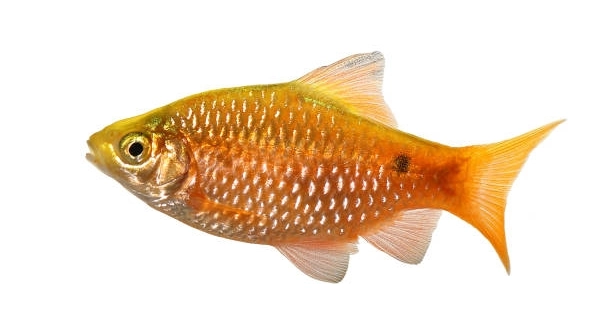
Rosy barbs are popular freshwater fish known for their vibrant colors and active behavior. They communicate and react to their environment using various sounds. Recognizing these sound cues can help in understanding their needs better.
Rosy barbs respond to seven main sound cues including feeding time noises, tapping on the tank, water movement sounds, and other environmental noises. These sounds trigger their natural behaviors such as schooling, feeding, and alertness, which are essential for their well-being.
Knowing these sound signals will help you create a more comfortable and responsive environment for your rosy barbs. This insight improves how you care for them daily and supports their natural instincts.
Feeding Time Noises
When it’s time to feed rosy barbs, they often respond quickly to the sound of food hitting the water or the rustling of a food container. These sounds signal that a meal is coming, causing the fish to become more active and swim toward the source. Over time, rosy barbs learn to associate these noises with feeding, showing excitement and anticipation. This behavior is helpful for owners because it makes feeding easier and can be a good way to observe their health and mood. If they do not respond as usual, it may indicate a problem. It is important to use consistent sounds so the fish can easily recognize them.
Recognizing feeding sounds allows owners to build a better routine. It can make feeding times smoother and less stressful for the fish.
In addition to food-related noises, the timing of feeding influences how rosy barbs respond to these cues. Feeding them regularly at the same times each day strengthens their response. This helps in establishing a predictable environment that lowers stress. It also encourages natural behaviors such as gathering and gentle competition for food. Using these sounds carefully can improve the bond between you and your fish while supporting their daily needs.
Tank Tapping and Water Movement
Tapping on the tank can cause rosy barbs to become alert or even startled. This noise is sudden and can make the fish swim away or hide temporarily. They interpret tapping as a possible threat or disturbance.
Water movement sounds, such as bubbles or splashes, are more natural for rosy barbs. These sounds are part of their normal environment and often keep them calm and active. Strong or sudden water noises, however, may cause stress or disrupt their regular activities. It is important to maintain gentle water flow to keep them comfortable and avoid alarming noises. Monitoring how your fish respond to different water sounds can help maintain a peaceful tank atmosphere.
Interaction with Other Fish
Rosy barbs react strongly to the sounds made by other fish nearby. These noises help them stay aware of their group and surroundings.
When other fish make splashing or quick movement sounds, rosy barbs often respond by swimming closer or joining in. These interactions help maintain their natural schooling behavior. It’s important to keep compatible fish so these sounds encourage positive social activity rather than stress. Loud or aggressive noises can cause anxiety, so monitor how your fish respond to their tank mates.
The presence of familiar fish noises promotes a sense of security for rosy barbs. It allows them to follow natural instincts for safety and social interaction. When the tank environment supports these sounds, fish tend to be more active and healthy.
Response to Environmental Changes
Sudden changes in the tank environment, such as loud noises from outside, can disturb rosy barbs. They may hide or swim nervously in reaction.
Consistent background noise, like a filter or air pump, usually becomes familiar and calming to the fish. Unexpected sounds such as dropping objects or voices close to the tank can cause stress. Minimizing these sudden noises helps keep the fish comfortable. Observing changes in their behavior after loud sounds can indicate how sensitive they are to environmental noise. Adjusting the tank location or sound insulation might be necessary.
Creating a stable and quiet environment supports the well-being of rosy barbs. It reduces stress and promotes normal behavior, ensuring a peaceful habitat for them to thrive in.
Alarm Sounds
Rosy barbs quickly react to sudden loud noises, which signal potential danger. These alarm sounds trigger a strong alert response.
This reaction helps them avoid threats by swimming away or hiding among plants. It is important to avoid frequent loud noises to prevent constant stress in the tank.
Breeding Sounds
During breeding, rosy barbs produce soft clicking or rubbing noises. These sounds are part of their courtship and communication.
These noises encourage pairing and signal readiness to spawn. Understanding these breeding sounds can help you recognize when your fish are preparing to reproduce, allowing better care during this sensitive time.
Owner’s Voice
Rosy barbs can become familiar with their owner’s voice over time. Speaking softly near the tank may cause the fish to respond by approaching.
Regular, gentle talking helps build recognition. This interaction can strengthen the bond between owner and fish, making the tank a more engaging environment for them.
What kinds of sounds do rosy barbs respond to most?
Rosy barbs mainly respond to sounds related to feeding, movement in the tank, and noises made by other fish. They quickly learn to recognize feeding cues like tapping on the tank or food containers rustling. Sounds from water movement and bubbling also keep them alert and active. Sudden loud noises tend to startle them, while soft noises, including quiet human voices, can sometimes attract their attention. These sounds are part of how rosy barbs stay aware of their environment and communicate.
Why do rosy barbs react to tapping on the tank?
Tapping on the tank is often seen by rosy barbs as a sudden disturbance or threat. This noise causes them to swim away or hide briefly. It’s an instinctive response to protect themselves from possible danger. Frequent tapping can cause stress, so it’s best to avoid making loud noises near the tank. Instead, gentle interactions and consistent feeding sounds help create a calmer environment for the fish.
Can rosy barbs recognize their owner’s voice?
Yes, rosy barbs can become familiar with their owner’s voice if spoken to softly and regularly near the tank. They might swim closer or show interest when they hear a familiar voice. This recognition is based on repeated exposure and positive associations, such as feeding times. While they won’t respond like pets that hear commands, they do notice and react to voices in their environment.
How do rosy barbs communicate with each other through sound?
Rosy barbs produce soft noises during social interactions, especially during courtship and breeding. Clicking or rubbing sounds often signal readiness to spawn and help strengthen pair bonds. Movement sounds and splashes from nearby fish also influence their behavior by maintaining group cohesion. These sounds are subtle but important in their daily social lives.
Do sudden loud noises harm rosy barbs?
Sudden loud noises don’t physically harm rosy barbs but can cause stress. Stress affects their immune system and behavior, making them less active or hiding more. To keep them healthy, it’s best to minimize loud sounds near the tank, such as banging or shouting. A calm, quiet environment supports their well-being and encourages natural behavior.
What is the role of water movement sounds for rosy barbs?
Water movement sounds, like bubbles from filters or air pumps, usually help keep rosy barbs calm and comfortable. These sounds mimic their natural environment and provide a sense of security. However, if water movement becomes too strong or noisy, it may disturb them. Balancing gentle water flow with soft background noise creates the best habitat for these fish.
How can understanding rosy barb sound cues improve their care?
Recognizing the sounds that rosy barbs respond to helps owners better meet their needs. For example, using consistent feeding noises makes feeding less stressful and more predictable. Avoiding sudden loud noises reduces anxiety. Understanding breeding sounds allows better preparation during spawning periods. Overall, paying attention to these sound cues improves the fish’s environment, health, and behavior.
Are there any sounds to avoid around rosy barb tanks?
Yes, loud bangs, constant tapping, and sharp noises should be avoided. These can scare the fish and increase stress levels. Also, very loud music or voices close to the tank might disturb them. Keeping the tank in a quiet, stable area with minimal sudden noises creates a peaceful atmosphere for rosy barbs to thrive.
Can rosy barbs get used to background noises?
Rosy barbs can adapt to steady background noises like the hum of a filter or soft household sounds. These sounds become familiar and don’t cause stress. However, unexpected or irregular noises can still startle them. Consistency in the tank’s sound environment helps the fish feel safe and behave naturally.
Understanding how rosy barbs respond to different sound cues can make a real difference in how you care for them. These fish are sensitive to noises in their environment, and recognizing the sounds they react to helps create a comfortable home for them. Feeding noises, water movement, and sounds from other fish all play important roles in their daily behavior. By paying attention to these sounds, you can better meet their needs and reduce stress in the tank.
It is also important to avoid loud or sudden noises that can scare rosy barbs. Stress from unexpected sounds can affect their health and cause changes in behavior, like hiding or reduced activity. Providing a calm and steady environment helps keep them relaxed and healthy. Regular routines, such as feeding at the same time and using consistent sound cues, strengthen their natural habits. These small adjustments in how you interact with your fish and manage their tank environment support their well-being over time.
Finally, knowing about the sound cues of rosy barbs adds a helpful layer to fishkeeping that is often overlooked. It improves communication between you and your fish, even without words. This understanding helps you notice changes that might signal health issues or stress early on. By respecting their responses to sound, you build a more peaceful and natural tank environment. This not only benefits the fish but also makes caring for them more rewarding. Taking the time to listen to and observe your rosy barbs can lead to a healthier, happier aquarium.

Hello,
If you enjoy the content that we create, please consider saying a "Thank You!" by leaving a tip.
Every little bit helps us continue crafting quality advice that supports the health, happiness, and well-being of pets around the world, for pets of all shapes, sizes, and species.
We really appreciate the kindness and support that you show us!