
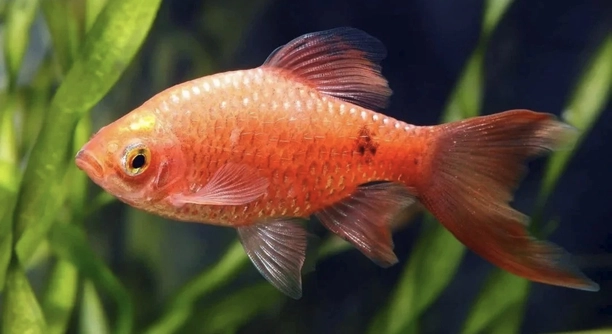
Do your rosy barbs seem to chase each other or flash their colors more than usual? These actions might not be random. Understanding their behavior can give you insight into how they interact and establish social order.
Rosy barbs use a mix of color displays, fin flaring, nudging, and short chases to determine social rank within their group. These behaviors are part of natural dominance rituals that help reduce conflict and maintain a stable social hierarchy.
Learning these behaviors will help you recognize what’s normal, what’s excessive, and how to create a peaceful tank environment.
Flashing Bright Colors
Rosy barbs often use their natural colors to communicate status. When trying to establish rank, males in particular will display brighter, more intense coloring. This is especially noticeable during feeding times or when new fish are added to the tank. These displays are not just for show—they are signals to others in the group. A dominant fish will flash its colors to appear more impressive and claim a higher position. Submissive barbs may respond by dulling their colors or moving away. In some cases, the color intensity can even vary throughout the day based on interactions and stress levels. A healthy tank with enough space and hiding spots helps reduce these signals from becoming excessive. Bright coloration is often one of the first signs that social dynamics are shifting. Observing these subtle changes can help you better understand who’s rising in rank and who might be backing down.
Color changes aren’t random. They reflect confidence, health, and position in the group.
If you see consistent bright colors paired with confident movement, that fish is likely feeling secure in its role. These displays can shift quickly, especially during early social changes or after tank rearrangement.
Short Chases and Nudges
Rosy barbs use short bursts of chasing to test boundaries with others in their group.
A quick chase or a gentle nudge is a common sign of a barb trying to assert itself. These movements are not meant to injure, but to challenge or warn another fish. They usually last only a few seconds and rarely lead to harm if the tank conditions are good. When barbs are trying to figure out where they stand socially, you’ll see one fish gently bump or follow another. This behavior often happens when food is introduced or when a new fish is added. If the same barb is doing all the chasing, it might be a sign that it sees itself as dominant. However, if multiple fish take turns chasing, it usually means the group hasn’t settled its hierarchy yet. Watching for these actions gives you a better idea of how comfortable and secure each fish is feeling. A tank with good structure, space, and hiding spots can reduce the need for frequent chases.
Fin Flaring and Posturing
Fin flaring is a way rosy barbs appear larger and more confident. They raise their fins wide and hold their bodies stiff to challenge or impress others. This display usually happens when two fish are sizing each other up.
You’ll often see two barbs facing each other with fins extended and bodies held straight. They may swim slowly in circles or parallel lines without making contact. This type of posturing allows them to gauge each other’s confidence and strength without needing to fight. It’s common in the early stages of forming a group, especially if tank mates were just added or rearranged. Over time, these displays become less frequent as each fish settles into its rank. If your barbs are flaring often but not fighting, it’s a sign that they’re still figuring out their order but are managing it peacefully.
A stable group will still show fin flaring from time to time, especially during feeding. It’s a way to reinforce rank without physical aggression. If one barb repeatedly flares while others back off, that fish likely holds a dominant role. The key is balance—occasional displays are normal, but constant flaring may suggest stress or a lack of space, so check your tank layout if it becomes excessive.
Nipping and Biting Motions
Small nips are another way barbs test limits. These quick bites are rarely harmful, but they do send a clear message to the other fish. It’s more about control than causing injury, and it’s common in rank-setting behavior.
Nipping often happens near the tail or sides of another fish. A dominant barb may chase and nip at a submissive one to reinforce boundaries. If the other fish flees or avoids the initiator, it confirms a lower rank. When these actions are balanced and infrequent, they’re considered normal. Problems arise when the nipping is constant or one fish becomes isolated. That can mean there’s too much competition or not enough room. You can usually reduce these behaviors by rearranging decor or adding more plants and hiding spots. A well-planned tank helps redirect energy away from competition. Observing these moments can help you support healthier social patterns among your barbs.
Blocking Access to Food
Rosy barbs may block others from reaching food as a quiet way to show dominance. This behavior happens most during feeding time, especially if space is tight or food is scattered unevenly.
The dominant fish usually places itself between the food and the rest of the group. It eats first, and others wait.
Repeated Territory Circling
Territory circling involves swimming in loops around a specific tank area. This pattern signals ownership. Barbs will often repeat this motion after chasing another fish away from the same spot. It helps reinforce that the area “belongs” to them and that others should keep their distance.
Body Shimmering
A quick shimmer through the scales is sometimes used to show tension or challenge. It’s often paired with side-swimming near another fish. While subtle, it’s one of the softer ways rosy barbs express social pressure or discomfort during early rank shifts.
FAQ
Why do rosy barbs chase each other so often?
Chasing is a natural behavior used to establish social rank within the group. It is a way for dominant fish to show strength and for others to test their position. Most chasing is short and does not lead to injury. However, constant chasing may indicate overcrowding or stress.
How can I tell if chasing is normal or a problem?
Normal chasing is brief and usually stops once ranks are established. If you see constant chasing, hiding fish, or visible injuries, the tank conditions might be causing stress. Make sure the tank is large enough, provide plenty of hiding spaces, and avoid overcrowding.
Do rosy barbs need a specific group size for healthy social behavior?
Yes, rosy barbs do best in groups of at least six or more. Larger groups spread out aggressive behaviors and reduce the chances of any one fish being bullied. Small groups can lead to stronger dominance conflicts and stress.
Can tank decorations help reduce aggression?
Absolutely. Plants, rocks, and other decorations create barriers and hiding spots. These allow less dominant fish to escape and reduce direct encounters. Rearranging decor occasionally can also help reset the social dynamics.
Is fin flaring a sign of aggression or just communication?
Fin flaring is mainly a communication tool used to display dominance without fighting. It is common and normal in rosy barbs. Frequent or constant flaring, however, might indicate stress or a crowded tank.
How should I feed rosy barbs to avoid fighting?
Feed small amounts of food spread evenly across the tank. This reduces competition and chasing during feeding. Feeding multiple times a day in small portions helps keep all fish well-fed and less aggressive.
What should I do if one rosy barb is being picked on?
If one fish is constantly chased or injured, try increasing hiding places or separating the aggressive fish temporarily. Check water quality and tank size to ensure optimal conditions. Sometimes adding more fish can spread out aggression.
Can rosy barbs change their rank over time?
Yes, ranks are not fixed. Changes in health, size, or behavior can shift the social order. New fish introductions or tank rearrangements can also reset ranks, leading to more displays and chases until a new order forms.
Are males more aggressive than females?
Typically, males are more active in displaying dominance behaviors like color flashing and fin flaring. Females usually keep a lower profile but can still be involved in rank setting. A balanced sex ratio helps reduce stress and aggression.
Will rosy barbs harm other species in a community tank?
Rosy barbs can be semi-aggressive, especially when establishing rank. They usually coexist well with fast or similarly sized fish. Slow or long-finned fish might become targets. Monitoring interactions and providing enough space is important for peace.
Understanding how rosy barbs establish rank can help you keep a peaceful and healthy tank. Their behaviors—like chasing, flashing colors, and fin flaring—are natural ways to communicate and create order within their group. These actions are part of their social structure, allowing them to avoid serious fights and injuries. When you know what to expect, you can better interpret their actions and respond with care, creating a more comfortable environment for your fish.
Providing enough space, hiding spots, and a well-planned tank setup makes a big difference in how these behaviors play out. A crowded tank or one without enough cover often leads to more chasing and aggression. It is important to observe how your rosy barbs interact over time. Some displays of dominance will fade as the fish settle into their ranks. When fighting becomes too frequent or causes harm, changes such as rearranging decorations or adding more plants can help calm the group. Feeding small amounts in different areas also reduces competition and stress.
Remember that rosy barbs are social fish who thrive in groups. They rely on these interactions to feel secure and healthy. By watching their natural behaviors closely, you can create a balanced environment where each fish has its place. This not only improves their well-being but also makes your tank more enjoyable to watch. Being patient and attentive will help you support your rosy barbs as they establish their social order and live happily in your care.

Hello,
If you enjoy the content that we create, please consider saying a "Thank You!" by leaving a tip.
Every little bit helps us continue crafting quality advice that supports the health, happiness, and well-being of pets around the world, for pets of all shapes, sizes, and species.
We really appreciate the kindness and support that you show us!