
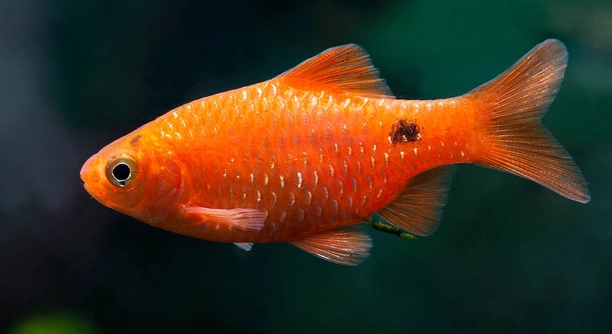
Have you ever watched your Rosy Barbs glide through the water at night and wondered if they always rest in the same spot?
Rosy Barbs may not sleep in the exact same spot each night, but they often show preference for sheltered or low-light areas in the tank. Their behavior is influenced by environmental comfort, safety, and tank setup.
Observing these habits can help you better understand your fish’s needs and create a more secure, natural environment for their rest.
Why Rosy Barbs Choose Certain Spots to Sleep
Rosy Barbs tend to favor specific areas of the tank for resting, often returning to familiar spots when they feel safe and comfortable. These spots are usually located near plants, decorations, or corners that provide a sense of cover. In a well-structured tank, Rosy Barbs are more likely to repeat their nighttime resting locations, especially if the lighting and current remain steady. However, changes in the environment—like a shift in water temperature, lighting schedule, or rearrangement of tank decor—can affect their sleep behavior. They’re sensitive to even minor disruptions, and this can lead them to explore different areas to settle down. Tank mates also play a role. If there are more active or aggressive species present, a Rosy Barb may adjust its preferred spot to avoid interaction. By observing these patterns over time, you can learn what makes your fish feel secure and use that to shape their surroundings.
These fish don’t need complete darkness to rest, but they do seem to prefer dimmer areas with less movement.
Their resting behavior isn’t exactly sleep like ours. It’s more of a slowed-down state where they stay still, lower their activity, and hover quietly in one area.
Factors That May Affect Sleeping Patterns
Changes in tank layout or lighting can cause Rosy Barbs to shift where they rest, especially if their preferred spot no longer feels secure.
Water parameters, tank mates, and feeding schedules can all influence where a Rosy Barb sleeps. When something feels off, they tend to seek new spots. For example, if water flow increases in their usual corner, they may move to an area with calmer currents. If a more dominant fish starts using the same area, they’ll likely find a quieter place to avoid stress. Even something as simple as a new plant or decoration can reset their comfort zone. Rosy Barbs are naturally alert and adaptable, and while they may not have strong territorial instincts, they are aware of their surroundings. They’re more likely to return to the same resting spots when conditions are predictable and calm. Providing hiding areas, low lighting during nighttime, and stable tank conditions can help them feel at ease and support healthy sleep patterns.
How to Tell if Your Rosy Barb Is Sleeping
Rosy Barbs slow down their movement and often hover in one spot when they sleep. Their colors may appear slightly faded, and they usually keep to low-traffic areas of the tank where they feel secure and undisturbed.
It can be easy to mistake this quiet state for illness, especially if you’re new to keeping fish. But sleeping Rosy Barbs will still respond gently to movement or changes in light. They won’t float sideways or upside down, which would indicate a problem. Their eyes don’t close because they don’t have eyelids, but their body language changes. You might notice them lowering their fins slightly and staying very still. If they return to normal activity shortly after, it’s likely they were just resting. Learning these small behaviors can help you better care for your fish and prevent unnecessary stress caused by over-checking or disrupting their natural rhythm.
Keeping the tank lights on for too long can disrupt their sleeping pattern. Like many freshwater fish, Rosy Barbs rely on a regular light-dark cycle to regulate their rest. A consistent schedule helps them settle down at night. Avoid tapping the glass or feeding during their resting hours, as this can cause confusion and stress. If your fish seem restless or constantly on the move even at night, it may be time to adjust lighting or reduce disturbances. Providing natural cues helps them form a reliable sleep pattern, which supports overall health. Watching for subtle changes will let you know if they’re getting the rest they need.
Creating a Safe Sleeping Environment
A calm and steady tank helps Rosy Barbs sleep better. Try adding dense plants or decorations they can rest near, and avoid placing their tank in a noisy area or near constant foot traffic.
Lighting should be consistent, with a regular day-night cycle to give your Rosy Barbs time to wind down. Use a timer to keep things simple. Floating plants or low-light areas can create calm zones where they’re more likely to rest. Tank mates also matter—choose species that are peaceful and won’t disturb them at night. Keep the filter flow moderate, as strong currents can make it harder for them to relax. Avoid sudden changes in temperature or layout, since Rosy Barbs are sensitive to shifts in their environment. Giving them some predictability goes a long way. If they feel secure, they’re more likely to return to the same resting areas and get the rest they need to stay healthy.
Common Mistakes to Avoid
Leaving the lights on overnight can make it hard for Rosy Barbs to settle. They need a clear light-dark cycle to feel secure and know when to rest, just like many other freshwater fish.
Rearranging the tank too often can unsettle them. Frequent changes confuse their sense of space and can cause stress, making it harder for them to choose a regular sleeping spot.
Do Rosy Barbs Compete for Sleeping Spots?
Rosy Barbs are not known to be territorial about where they rest. Instead, they tend to spread out or choose different areas of the tank, especially when there is enough space and cover. If you have several Rosy Barbs, you might notice them resting near each other, but not tightly grouped. They’re social fish, but they don’t usually fight over specific spots. When the tank is crowded or lacks enough hiding spaces, however, they may appear restless or pushy. To avoid this, make sure there are multiple areas with plants or soft lighting where each fish can feel safe resting on its own.
Should You Be Concerned if They Move Spots?
Not always. Rosy Barbs may simply be adjusting to small changes in the tank or testing out quieter areas.
FAQ
Do Rosy Barbs need total darkness to sleep?
No, Rosy Barbs do not need complete darkness to sleep, but they do prefer a dim environment. Bright lights can keep them active and make it harder for them to settle down. A soft, low-light setting helps signal that it’s time to rest. You don’t need a blacked-out tank, but turning off overhead lights and reducing room light during nighttime hours is helpful. If your tank is in a busy room, consider using floating plants or shaded decorations to give them a quiet space to wind down.
How long do Rosy Barbs sleep each night?
Rosy Barbs don’t sleep in long, continuous periods like humans do. Instead, they enter short resting phases throughout the night. Most of their sleep occurs when the tank is quiet and dark, often adding up to several hours total. You might notice them staying still, hovering gently near a plant or in a corner. These calm periods are important for their health and energy. If the tank is disrupted or the lights stay on too long, they may not rest properly, which can affect their mood and behavior.
Why do my Rosy Barbs change resting spots often?
They might be responding to changes in their environment, like lighting, water flow, or activity in the room. Rosy Barbs also naturally explore, and if a spot feels safer or quieter than their usual place, they’ll likely move. It doesn’t always mean something is wrong. However, if they seem restless all the time or avoid certain areas suddenly, it’s worth checking the water quality, temperature, or whether tank mates are causing stress. Even subtle shifts in the tank can influence where they feel most comfortable resting.
Is it normal for Rosy Barbs to sleep near the bottom of the tank?
Yes, it’s fairly common. Many Rosy Barbs rest near the substrate or low in the tank where it’s calmer and darker. As long as they’re upright and not gasping or twitching, this is considered normal behavior. If your fish are laying flat or struggling to swim after resting, that could be a sign of illness. But simply hovering low and staying still for a while—especially at night—is typical. This quiet state helps them recover energy and avoid drawing attention from more active fish.
Can too many tank mates disturb their sleep?
Yes, especially if those tank mates are active at night or tend to chase or bump into them. While Rosy Barbs are peaceful, they can become anxious if the tank feels crowded or chaotic. Sleep may be disrupted if other fish constantly move through their chosen spots. If you notice them hiding more or changing rest areas often, they may be trying to avoid interaction. Choosing calm, compatible species and giving everyone plenty of space can help each fish find a secure place to rest without competition or stress.
What can I do if my Rosy Barb doesn’t seem to sleep?
First, check your lighting schedule. Too much light or irregular timing can confuse their internal clock. A basic timer helps keep things consistent. Make sure the tank has quiet, shaded areas and is not placed in a noisy or high-traffic spot. If you’ve recently changed decorations or tank layout, give your fish some time to adjust. Sudden changes can make them more alert. Also, check for signs of illness or water quality issues—stress from poor conditions can affect their ability to rest. Addressing these factors usually helps restore normal sleep behavior.
Final Thoughts
Rosy Barbs are active, curious fish, but like all animals, they need time to rest. While they don’t sleep exactly like humans, they do enter a quiet, low-energy state during the night. Most of the time, they prefer calm areas of the tank with soft lighting or cover from plants and decorations. Some fish may rest near the same spot regularly, while others may shift around depending on how comfortable or safe they feel. These changes are usually normal and part of their natural behavior. As long as they remain healthy and active during the day, there’s usually no cause for concern.
Creating a good environment is the best way to support their rest. This includes keeping a regular light schedule, avoiding sudden changes to the tank, and choosing peaceful tank mates. Decorations like plants, caves, or driftwood give Rosy Barbs places to settle where they feel secure. It’s also important to observe their behavior from time to time. If a fish starts acting differently or seems stressed, it could be a sign that something in the tank has changed. Small adjustments to lighting, water flow, or tank layout can often make a big difference in helping them feel more at ease.
Overall, Rosy Barbs are hardy and adaptable, but they still benefit from stable, well-managed tank conditions. Watching them rest or settle into a routine can even be a relaxing part of fishkeeping. By understanding their habits and giving them a calm space to wind down, you’re helping them stay balanced and healthy. Every fish has its own behavior, so while some may sleep in the same spot often, others may not. That’s completely normal. What matters most is that they have the opportunity to rest undisturbed and feel safe in their space. With time, you’ll learn to recognize what’s normal for your fish and how to support their natural routines.

Hello,
If you enjoy the content that we create, please consider saying a "Thank You!" by leaving a tip.
Every little bit helps us continue crafting quality advice that supports the health, happiness, and well-being of pets around the world, for pets of all shapes, sizes, and species.
We really appreciate the kindness and support that you show us!