
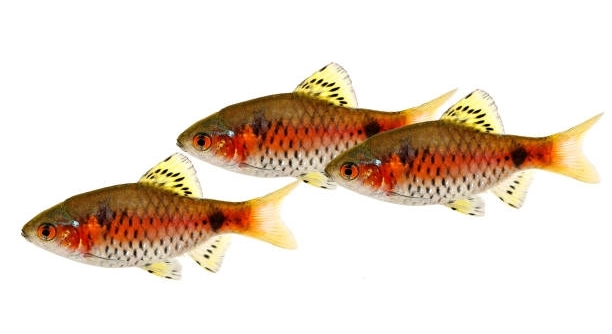
Rosy barbs are colorful and lively fish often kept in home aquariums. Sometimes, these fish tend to hide, which can be worrying for their owners. Understanding the reasons behind this behavior can help in creating a better environment for them.
Several triggers cause rosy barbs to hide, including sudden changes in water temperature, poor water quality, overcrowding, lack of hiding spaces, aggressive tank mates, improper lighting, and sudden loud noises. Each of these factors can stress the fish and lead to withdrawal.
Knowing what causes your rosy barbs to hide can improve their well-being and help maintain a peaceful tank environment for your fish to thrive.
Sudden Changes in Water Temperature
Rosy barbs are sensitive to sudden shifts in water temperature. If the water becomes too cold or too warm quickly, it stresses the fish, causing them to hide. Rapid temperature changes can disrupt their metabolism and immune system. Keeping the water temperature stable, ideally between 64°F and 72°F (18°C to 22°C), is essential for their comfort. Avoid placing the tank near windows or vents where temperature fluctuates often. Using a reliable heater and thermometer helps maintain a steady environment. When introducing new water during changes or cleaning, make sure it matches the tank’s temperature to prevent shock. Watching your fish for signs of stress after any temperature shift can prevent longer-term hiding or illness. A stable, comfortable temperature helps rosy barbs stay active and visible in the tank.
Temperature stress leads to weaker immune responses, making rosy barbs more prone to illness. Maintaining consistent warmth reduces hiding and promotes healthy behavior.
Keeping water temperature steady not only prevents hiding but also supports your rosy barbs’ overall health. Simple steps like using proper equipment and careful water changes go a long way.
Poor Water Quality
Water quality plays a crucial role in the well-being of rosy barbs. Poor water conditions, such as high ammonia or nitrite levels, can irritate the fish and make them retreat. Dirty water reduces oxygen availability and increases toxins that harm their gills and skin. Regular water testing is necessary to keep harmful substances in check. Changing 20-30% of the water weekly helps remove waste and toxins. Proper filtration also keeps the tank clean and balanced. Overfeeding can worsen water quality by leaving excess food to rot. Avoid overcrowding, as too many fish produce more waste than the tank can handle. Clean, clear water encourages rosy barbs to swim freely rather than hide. Observing water conditions and maintaining cleanliness helps reduce stress and keeps your fish visible and healthy.
Overcrowding
Overcrowding in the tank stresses rosy barbs and makes them hide more often. Too many fish compete for space, food, and oxygen, causing discomfort and anxiety.
When there are too many fish, water quality also deteriorates faster due to increased waste. This combination of stressors encourages hiding behavior as fish try to avoid conflict and find safe spots. Providing enough space and avoiding overcrowding helps maintain a calm environment. The recommended tank size for rosy barbs is at least 20 gallons for a small group. Keeping the population balanced allows fish to swim freely without feeling threatened.
A spacious tank with fewer fish reduces competition and stress. This keeps rosy barbs more active and visible, creating a healthier aquarium for them to enjoy.
Lack of Hiding Spaces
Rosy barbs need places to hide and feel secure. Without plants, rocks, or decorations, they can feel exposed and retreat into hiding.
Adding hiding spots mimics their natural habitat and lowers stress. It provides shelter from bright lights or aggressive tank mates. Plants like java fern or floating options create shaded areas that make rosy barbs comfortable. Decorations such as caves or driftwood offer physical hiding places. Without these, fish may feel unsafe and stay hidden longer.
Including plenty of hiding spaces promotes confidence and activity. Your rosy barbs will spend more time exploring the tank and less time hiding when their environment feels safe.
Aggressive Tank Mates
Aggressive fish can intimidate rosy barbs, causing them to hide frequently. These conflicts stress the fish and disrupt their normal behavior.
Keeping peaceful tank mates reduces stress and encourages rosy barbs to be more active and social.
Improper Lighting
Too much or too little light affects rosy barbs’ comfort. Bright lighting can make them feel exposed, while dim lighting can reduce their activity.
A balanced lighting schedule mimics natural day and night cycles, helping rosy barbs stay healthy and visible.
Sudden Loud Noises
Loud sounds near the aquarium startle rosy barbs, prompting them to hide. They are sensitive to noise and vibrations.
Keeping the tank in a quiet area minimizes stress and promotes a peaceful environment for your fish.
FAQ
Why do my rosy barbs suddenly hide after I clean the tank?
Cleaning the tank can cause changes in water temperature, chemistry, or even disturb the fish’s environment. These sudden changes can stress rosy barbs, making them retreat to hiding spots until they feel safe again. Make sure to match the temperature of the new water to the tank and avoid cleaning everything at once. Partial water changes are better for maintaining stability and preventing shock. Over time, your fish will get used to the routine and feel more comfortable during cleanings.
How long do rosy barbs usually hide when stressed?
The hiding period depends on the severity of the stressor. Minor disturbances may cause hiding for a few hours, while larger issues like poor water quality or aggressive tank mates can cause hiding for days or weeks. Monitoring your fish closely and fixing environmental problems quickly will help shorten this hiding phase.
Can rosy barbs hide because they are sick?
Yes, illness can cause rosy barbs to hide. Signs like faded colors, clamped fins, or lack of appetite along with hiding suggest health problems. Infections, parasites, or poor water quality can make them seek shelter. Testing water parameters and consulting a vet or experienced aquarist is important if sickness is suspected.
Is it normal for rosy barbs to hide at night?
Rosy barbs may hide or become less active at night as part of their natural behavior. They rest and feel safer in sheltered areas during dark hours. This behavior is normal and helps reduce stress. If hiding happens only during the day, it’s more likely due to stress or environmental issues.
How can I encourage shy rosy barbs to come out more?
Creating a stable, peaceful environment with proper water quality, gentle lighting, and hiding spots encourages rosy barbs to be more active. Avoid sudden movements near the tank and maintain a consistent feeding schedule. Offering live or frozen foods can also stimulate natural behavior and curiosity.
Can the type of food affect hiding behavior?
Poor diet or infrequent feeding can stress rosy barbs, making them hide. Providing a balanced diet with high-quality flakes, pellets, and occasional live or frozen foods ensures they get the nutrients needed to stay healthy and confident. Hungry fish may hide due to weakness or stress.
Do rosy barbs prefer certain water conditions to avoid hiding?
Rosy barbs thrive in slightly hard, neutral to slightly alkaline water (pH 6.8 to 7.8) with temperatures between 64°F and 72°F (18°C to 22°C). Stable water parameters reduce stress and hiding. Regular testing and maintenance keep conditions optimal.
How often should I test the water to prevent hiding caused by poor quality?
Testing water weekly for ammonia, nitrite, nitrate, pH, and temperature helps catch problems early. Frequent monitoring allows quick adjustments to avoid stress-induced hiding. Using test kits makes this process simple and effective.
Is hiding more common in newly introduced rosy barbs?
Yes, new fish often hide as they adjust to their new surroundings. This is a normal response to stress and unfamiliarity. Providing plenty of hiding spaces and keeping the tank peaceful helps new rosy barbs acclimate faster.
Can tank size influence hiding behavior?
Smaller tanks with many fish cause overcrowding, which increases stress and hiding. Larger tanks provide more space to swim and hide, making rosy barbs feel more secure. A 20-gallon tank or larger is recommended for a small group.
Rosy barbs are lively and colorful fish that bring energy to any aquarium. However, they can sometimes hide, which can be concerning. Understanding the common triggers that make them hide helps create a better environment for these fish. Factors like sudden changes in water temperature, poor water quality, overcrowding, and aggressive tank mates often cause stress. When stressed, rosy barbs retreat to hiding spots to feel safer. By recognizing and managing these triggers, you can help your fish stay healthy and active.
Maintaining stable water conditions is one of the most important steps in keeping rosy barbs comfortable. Regular water testing and timely changes help prevent harmful substances from building up. Providing enough space and avoiding overcrowding also reduce stress. Adding plants and decorations gives your fish places to hide without feeling trapped. Proper lighting and minimizing loud noises around the tank further support a calm environment. These simple but effective measures create a space where rosy barbs feel secure and are less likely to hide for long periods.
Paying attention to your fish’s behavior and environment allows you to respond quickly to any problems. If you notice your rosy barbs hiding more than usual, check water conditions and tank setup first. Changes might be small but can have a big impact on their comfort. With consistent care and patience, rosy barbs will spend more time swimming and less time hiding. This creates a more enjoyable aquarium for you and a healthier home for your fish.

Hello,
If you enjoy the content that we create, please consider saying a "Thank You!" by leaving a tip.
Every little bit helps us continue crafting quality advice that supports the health, happiness, and well-being of pets around the world, for pets of all shapes, sizes, and species.
We really appreciate the kindness and support that you show us!