
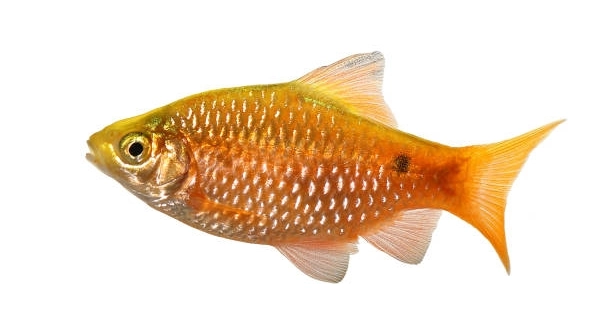
Rosy barbs sometimes prefer to be alone rather than in groups. This behavior can occur in specific situations where solitude offers them comfort or safety. Their choice to isolate is a natural part of how they interact with their environment and peers.
Rosy barbs choose solitude primarily due to stress, illness, territorial behavior, breeding habits, environmental changes, dominance hierarchy, and rest periods. These factors influence their need to withdraw from group activity temporarily to maintain wellbeing.
Understanding why rosy barbs seek solitude helps in caring for them properly. Observing their behavior closely ensures their needs are met and their environment remains healthy and balanced.
Stress and Solitude in Rosy Barbs
Stress is one of the main reasons rosy barbs choose to be alone. When their environment becomes too noisy, crowded, or unpredictable, they may isolate themselves to feel safer. Changes like sudden movements, new tankmates, or water quality shifts can increase their anxiety. This alone time helps them recover from stress without interference from others. It’s common to see a stressed rosy barb hiding behind plants or decorations, away from the group. Recognizing stress early can prevent it from causing health problems. Keeping the tank stable and peaceful reduces stress and encourages social behavior. Providing plenty of hiding spaces also gives barbs places to retreat when needed. Observing these behaviors is essential for maintaining a healthy aquarium.
Stress triggers solitary behavior as a coping mechanism. Isolation allows rosy barbs to manage anxiety and avoid conflict until conditions improve.
Watching how your barbs respond to stress reveals a lot about their comfort level. It’s important to adjust the environment to keep them calm and social. Simple steps like lowering noise, avoiding sudden tank changes, and maintaining water quality can make a big difference. In some cases, adding more plants or decorations helps them feel secure without forcing interaction. Stress is often temporary, but if it lasts too long, it can weaken their immune system. Consistent care and observation help ensure your rosy barbs stay healthy and active in their groups. Solitude in this case is a clear sign they need space to recharge.
Illness and Isolation
Illness often causes rosy barbs to separate themselves from the group. When feeling unwell, they may swim slower, hide, or stay near the bottom of the tank. This behavior is their way of conserving energy and avoiding predators or aggressive tankmates. Identifying signs of sickness early helps prevent the spread of disease to other fish. Symptoms like faded color, spots, or labored breathing should prompt immediate attention. Isolation during illness is natural and protective, so offering a calm environment and proper treatment supports recovery. Quarantining sick fish when possible is the best practice. Clean water, balanced nutrition, and minimizing stress contribute to faster healing. Paying close attention to these details improves overall tank health and the wellbeing of all its inhabitants.
Territorial Behavior and Solitude
Rosy barbs sometimes isolate themselves to protect their territory. This behavior prevents conflicts with other fish.
When a rosy barb claims a specific area in the tank, it can become defensive. They may chase or nip at intruders to maintain control over their space. This leads to moments of solitude as they guard their territory. Providing enough room and hiding spots helps reduce tension and territorial disputes. Overcrowded tanks increase this behavior, so keeping proper fish density is important. By respecting their need for space, you can prevent aggressive encounters and promote peaceful coexistence.
Territorial instincts are strong in rosy barbs, and solitude is often a way to enforce boundaries. These moments allow fish to regroup and reduce stress from competition. Understanding this behavior helps in arranging the tank layout effectively to minimize conflicts and support natural habits.
Breeding and Private Space
During breeding, rosy barbs separate from the group to find quiet spaces. This isolation supports mating and egg-laying activities.
Males and females may seek out sheltered areas away from other fish when preparing to spawn. This privacy reduces disturbances and increases the chances of successful reproduction. Providing plants or breeding mops gives them safe spots to carry out their process. Sometimes, after spawning, adults continue to keep distance from each other to protect the eggs and fry. Observing these behaviors helps in managing breeding pairs and supporting healthy offspring development. Ensuring peaceful conditions during breeding benefits the entire tank ecosystem.
Environmental Changes
Rosy barbs may isolate themselves when the tank environment changes suddenly. New decorations, altered water parameters, or added fish can cause this reaction.
They need time to adjust and feel secure again. Gradual changes help prevent prolonged solitude and stress.
Dominance Hierarchy
Within groups, a clear dominance hierarchy forms. Lower-ranking rosy barbs often keep to themselves to avoid confrontations with more dominant fish.
This behavior helps maintain balance and reduces aggressive encounters. Solitude is a natural result of social structure.
Rest Periods
Rosy barbs use solitude for resting away from the activity of the group. Quiet spots offer them a chance to recover energy safely. This is essential for their health and daily rhythm.
FAQ
Why do rosy barbs sometimes hide alone?
Rosy barbs often hide alone when they feel stressed or threatened. It helps them avoid conflict and regain comfort. Hiding can also be a response to illness or changes in their environment. Providing plenty of plants and hiding spots allows them to feel secure without disrupting the group.
Is it normal for rosy barbs to avoid the group occasionally?
Yes, it is normal. Rosy barbs are social fish but sometimes need solitude. This can happen during stress, illness, or when they are establishing territory. Their alone time is usually temporary and helps them maintain balance in the tank.
How can I tell if my rosy barb is sick or just seeking solitude?
Sick rosy barbs often show additional signs like faded color, clamped fins, slow movement, or difficulty breathing. If the fish looks healthy but keeps to itself, it’s likely seeking solitude for rest or stress relief. Observing changes in behavior over time helps differentiate.
What should I do if my rosy barb isolates itself due to stress?
Try to reduce stressors in the tank. Keep the environment calm, avoid sudden changes, and ensure water quality is excellent. Adding hiding places can help. Monitor your fish closely, as prolonged stress can lead to illness.
Can tank size affect how often rosy barbs choose solitude?
Yes, tank size plays a big role. Overcrowded tanks increase competition and stress, causing more solitary behavior. A spacious tank with enough swimming room and hiding spots encourages healthy social interaction and reduces the need for isolation.
Do rosy barbs prefer solitude during breeding?
Yes, breeding rosy barbs often seek quiet spaces away from the group to spawn. This reduces disturbance and protects eggs. Providing dense plants or breeding mops can offer the privacy they need for successful reproduction.
How does dominance affect rosy barbs’ social behavior?
Dominance creates a social order where lower-ranking fish may isolate themselves to avoid aggression. This solitude is part of maintaining peace within the group. Proper tank management and enough space reduce dominance conflicts.
Is it harmful if my rosy barb spends a lot of time alone?
Not necessarily. Occasional solitude is natural and healthy. However, excessive isolation might signal stress, illness, or poor tank conditions. Keep an eye on your fish’s overall health and environment to ensure their wellbeing.
Can environmental changes make rosy barbs seek solitude?
Yes, sudden changes like new decorations, water parameter shifts, or new tankmates can cause rosy barbs to withdraw temporarily. Gradual introductions and maintaining stable conditions minimize this behavior.
What role does resting play in rosy barbs choosing solitude?
Resting is important, and solitary spots offer quiet areas for rosy barbs to recharge. This behavior supports their health and daily rhythms, allowing them to be more active and social when they wake.
Final Thoughts
Rosy barbs choosing solitude is a natural and normal behavior. It happens for many reasons, such as stress, illness, or changes in their environment. These moments of alone time help the fish recover and maintain balance in their daily lives. Recognizing when your rosy barbs want to be alone is important because it tells you about their wellbeing. If they hide or swim away from the group occasionally, it usually means they are managing their needs in a healthy way. Providing a comfortable and stable tank environment encourages this natural behavior without causing harm.
It is important to understand the different factors that influence rosy barbs’ choice to isolate. Stress from overcrowding, sudden changes, or aggressive tankmates can make them seek solitude. Illness also causes fish to separate themselves as they rest and heal. Breeding periods and territorial behavior lead to temporary alone time too. Each reason for solitude requires a slightly different approach when caring for these fish. Maintaining good water quality, offering enough space, and including plants or decorations for hiding can support their needs. Paying attention to these details helps prevent prolonged isolation, which could be a sign of problems.
Solitude in rosy barbs should not be seen as a negative behavior but rather a part of their natural rhythm. Respecting their need for space allows them to feel safe and secure. When they return to social behavior, it shows they are comfortable and healthy. Monitoring their actions closely and adjusting the tank environment as needed is the best way to keep rosy barbs happy. Understanding this balance between social interaction and solitude helps create a peaceful and thriving aquarium where the fish can live their best life.

Hello,
If you enjoy the content that we create, please consider saying a "Thank You!" by leaving a tip.
Every little bit helps us continue crafting quality advice that supports the health, happiness, and well-being of pets around the world, for pets of all shapes, sizes, and species.
We really appreciate the kindness and support that you show us!