
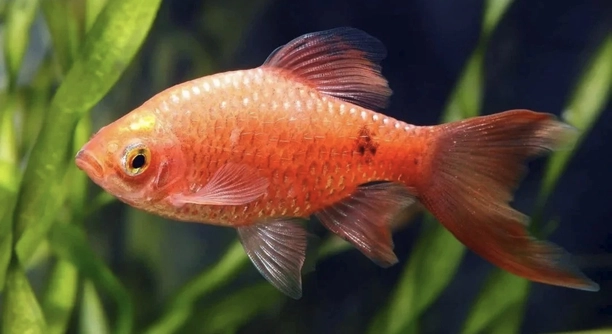
Are your rosy barbs spending most of their time at the bottom of the tank? This behavior can be concerning for many aquarium enthusiasts who want their fish to be active and healthy. Understanding why this happens is important for maintaining a balanced environment.
Rosy barbs often stay at the bottom due to stress, poor water quality, low oxygen levels, or illness. These factors can make the fish seek cooler, calmer areas near the substrate. Addressing water conditions and health issues usually encourages normal swimming behavior.
Knowing the reasons behind this behavior helps ensure your rosy barbs remain healthy and lively in their tank environment. The following details will clarify what to watch for and how to improve their habitat.
Common Reasons Rosy Barbs Stay at the Bottom
One of the most frequent causes of rosy barbs staying at the bottom is poor water quality. High levels of ammonia, nitrites, or nitrates can stress the fish, making them less active. Inadequate oxygen levels also play a significant role. When oxygen is low, fish tend to stay near the substrate, where water movement is calmer but oxygen is usually scarcer. Temperature fluctuations can affect their behavior, as rosy barbs prefer stable, moderate temperatures. Illness or parasites may weaken the fish, causing lethargy and bottom-dwelling behavior. Finally, stress from overcrowding or aggressive tank mates can force barbs to hide at the bottom for safety. Regular water testing, proper filtration, and maintaining a calm environment are essential to prevent these issues and promote healthy swimming habits.
Stress from water conditions or illness is often the reason rosy barbs stay near the bottom. Regular tank care can reduce these problems.
Observing your fish closely can help identify changes in behavior linked to environmental factors or health. If you notice symptoms like clamped fins, loss of appetite, or unusual swimming patterns, consider testing water parameters immediately. Make sure your tank is not overcrowded, and provide plenty of hiding spaces to reduce stress. Using an aquarium heater and thermometer ensures stable temperatures. Treating illnesses quickly with appropriate medication will help the fish recover and regain normal activity. Regular maintenance and a balanced diet are key to keeping rosy barbs vibrant and swimming throughout the tank, not just resting at the bottom.
How to Improve Their Environment
Improving water quality is the first step to encouraging rosy barbs to swim freely. Regular water changes, at least 25% weekly, help remove toxins and replenish oxygen. Using a good filter keeps the water clean and well-oxygenated. Proper tank size is crucial; overcrowded tanks cause stress and reduce oxygen levels. Plants and decorations can provide shelter, but avoid overcrowding the tank. Ensure water temperature stays between 64°F and 72°F, as rosy barbs prefer cooler water. Feeding a balanced diet with high-quality flakes or pellets helps maintain their health. If water tests show high toxin levels, perform immediate water changes and check the filter’s effectiveness. Keeping the environment stable and clean will reduce stress and encourage more active behavior from your rosy barbs.
Monitoring Fish Health
Rosy barbs that remain at the bottom often show other signs of illness. Watch for pale colors, torn fins, or unusual spots. These signs may indicate infections or parasites that require attention.
Illness in rosy barbs can cause lethargy and bottom-dwelling behavior. Poor water conditions weaken their immune system, making them vulnerable to diseases. Common issues include fungal infections, ich, and bacterial diseases. Early detection is important for successful treatment. Quarantining sick fish helps prevent the spread of disease. Using appropriate medications and maintaining clean water improves recovery chances. If untreated, illness can worsen, leading to serious health problems or death. Regular observation and prompt action help keep the fish healthy.
Besides illness, stress is a major factor affecting rosy barb behavior. Stressors include sudden changes in water temperature, poor diet, and aggressive tank mates. Reducing stress involves providing a stable environment and suitable companions. A varied diet supports the immune system. Avoid overcrowding the tank and keep water parameters stable. With proper care, rosy barbs regain strength and begin swimming normally throughout the tank again.
Feeding and Activity Levels
Feeding habits can influence how active rosy barbs are in the tank. Overfeeding or poor-quality food may cause digestive problems, leading to lethargy and bottom resting. Feed small portions twice daily using balanced, high-quality flakes or pellets. Avoid excess food that settles on the bottom and pollutes the water. Proper nutrition supports energy and overall health, encouraging natural swimming behavior.
Activity levels in rosy barbs are affected by diet and environment. A healthy diet provides necessary nutrients for energy. Low oxygen levels or poor water quality reduce activity. Ensure tank size is adequate to allow free swimming. Introducing plants or decorations gives hiding spots but keeps swimming areas open. Regular feeding, clean water, and a stress-free environment promote lively behavior. Maintaining these conditions will help your rosy barbs stay active and visible throughout the aquarium.
Tank Setup and Space
Rosy barbs need enough room to swim freely. A cramped tank causes stress and limits their natural behavior. A minimum of 20 gallons is recommended for a small group.
Proper tank layout balances open swimming areas with hiding spots. This helps reduce stress and encourages activity. Avoid overcrowding decorations.
Water Temperature and Stability
Maintaining stable water temperature between 64°F and 72°F is crucial. Sudden changes cause stress and lethargy. Use a reliable heater and thermometer to monitor conditions regularly.
Signs of Stress
Stress in rosy barbs often shows through hiding and inactivity. Watch for rapid breathing or clamped fins as warning signs.
FAQ
Why are my rosy barbs hiding at the bottom of the tank?
Rosy barbs often hide at the bottom when they feel stressed or unwell. Poor water quality, low oxygen, illness, or aggressive tank mates can cause this behavior. They may seek the bottom for safety or because the conditions there feel less threatening.
How can I improve water quality for my rosy barbs?
Regular water changes, at least 25% weekly, help keep the water clean. Use a good filter that circulates and oxygenates the tank. Test the water regularly for ammonia, nitrites, nitrates, and pH. Remove uneaten food and debris to prevent toxins from building up.
What temperature is best for rosy barbs?
Rosy barbs prefer water temperatures between 64°F and 72°F. Sudden fluctuations or temperatures outside this range can stress the fish, making them less active and prone to disease. Use a heater and thermometer to maintain stable conditions.
Can diet affect rosy barbs’ behavior?
Yes. Feeding a balanced diet with quality flakes or pellets supports their energy and health. Overfeeding can pollute the water and cause digestive issues, leading to lethargy. Feed small amounts twice a day and remove uneaten food promptly.
How do I know if my rosy barbs are sick?
Look for signs like pale or faded colors, clamped fins, torn or ragged fins, unusual spots, or white patches. Loss of appetite and abnormal swimming patterns also indicate illness. Prompt treatment and quarantine of affected fish help prevent spread.
Is tank size important for rosy barbs?
Tank size matters. Rosy barbs are active swimmers and need at least 20 gallons for a small group. A cramped tank causes stress and limits their natural movement, leading to more time spent at the bottom or hiding.
What tank mates are best for rosy barbs?
Choose peaceful fish that thrive in similar water conditions. Avoid aggressive or territorial species that may stress rosy barbs. Good companions include danios, tetras, and other small, calm fish. Always observe interactions and be ready to separate if problems arise.
How often should I clean the tank?
Perform partial water changes weekly or biweekly, depending on tank size and fish load. Clean the substrate gently to avoid disturbing beneficial bacteria. Rinse filter media in tank water to keep it functioning well without killing helpful bacteria.
Why do rosy barbs stay at the bottom after adding new fish?
New tank mates can cause stress and competition. Rosy barbs may stay at the bottom to avoid confrontation. Provide hiding places and monitor behavior closely. Over time, fish usually adjust if the environment remains stable.
Can poor oxygen levels cause rosy barbs to stay at the bottom?
Yes, low oxygen can make fish lethargic and lead them to seek calmer water near the bottom. Ensure proper aeration with filters, air stones, or water movement. Avoid overstocking the tank, which reduces oxygen availability.
What role does lighting play in rosy barb behavior?
Strong or constant lighting can stress fish. Provide a day-night cycle by turning lights off for about 8-10 hours each day. Use moderate lighting that mimics natural conditions to encourage normal activity and reduce hiding.
How do I treat diseases that cause bottom dwelling?
Identify the disease based on symptoms. Use appropriate medication as recommended for fungal, bacterial, or parasitic infections. Quarantine sick fish if possible. Maintain good water quality and reduce stress to support healing.
Can water pH affect rosy barbs’ swimming habits?
Rosy barbs prefer a pH between 6.5 and 7.5. Extreme pH levels cause stress and can affect their energy and behavior. Regularly test and adjust pH if necessary using safe products or natural methods like adding driftwood or peat.
What should I do if my rosy barbs are still inactive after fixing water conditions?
If inactivity continues despite good water quality, check for illness or stress factors like tank mates or diet. Consult with an aquatic specialist or veterinarian. Sometimes fish need time to recover and adjust after stressful periods.
Is it normal for rosy barbs to rest at the bottom sometimes?
Yes, occasional resting at the bottom is normal. Fish rest or sleep in calm spots. However, constant or prolonged bottom dwelling usually indicates an issue that needs attention. Monitor other behaviors and environmental factors closely.
Final Thoughts
Rosy barbs spending time at the bottom of the tank can be a sign that something in their environment needs attention. It is important to remember that this behavior is often caused by factors such as poor water quality, stress, illness, or unsuitable tank conditions. Regular monitoring of water parameters like temperature, pH, ammonia, nitrites, and nitrates is essential to maintain a healthy habitat. Keeping the tank clean with proper filtration and frequent water changes helps reduce harmful substances that can affect the fish’s well-being. By maintaining stable and appropriate water conditions, you create an environment where your rosy barbs feel comfortable and are more likely to swim actively throughout the tank.
Another key factor to consider is the health of the fish. Lethargy and bottom-dwelling behavior can be signs of illness or parasites. Observing your fish daily for changes in color, fin condition, appetite, and swimming patterns can help catch problems early. Prompt treatment of diseases combined with good tank hygiene can prevent further complications. It is also important to avoid overcrowding and ensure that the fish have enough space and hiding spots to reduce stress. Providing a balanced diet with quality food supports their immune system and overall vitality, encouraging natural behavior.
Finally, patience and attention are necessary when caring for rosy barbs. Changes in their behavior may not resolve immediately after making adjustments. Fish need time to recover from stress and illness and to adapt to improvements in their environment. Consistent care, including monitoring water quality, maintaining proper temperature, and offering a good diet, helps promote a healthy and active tank. Understanding the reasons behind bottom-dwelling behavior allows for better care decisions and creates a better living space for your rosy barbs. Taking these steps can improve their health and activity, making your aquarium a more enjoyable place for both the fish and yourself.

Hello,
If you enjoy the content that we create, please consider saying a "Thank You!" by leaving a tip.
Every little bit helps us continue crafting quality advice that supports the health, happiness, and well-being of pets around the world, for pets of all shapes, sizes, and species.
We really appreciate the kindness and support that you show us!