
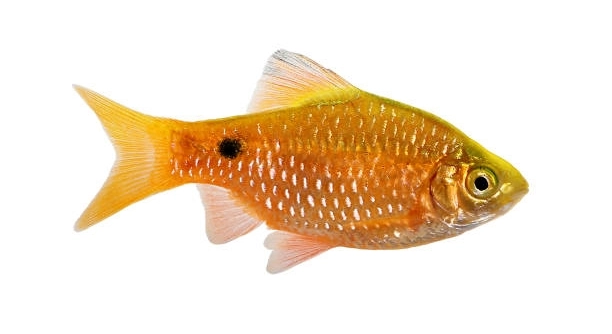
Rosy barbs are lively fish that add color and movement to any tank. Keeping their environment fresh is important for their health and happiness. Sometimes, subtle signs show that your tank needs attention and care to stay ideal.
Recognizing when your rosy barb tank needs a refresh involves observing water quality, plant health, fish behavior, and tank cleanliness. Poor conditions can affect fish well-being, making regular maintenance and timely updates essential for a thriving aquatic habitat.
Maintaining a healthy tank is more than routine—it ensures your fish continue to flourish and remain vibrant in their home. The clues ahead will help you identify when it’s time to act.
Cloudy or Discolored Water
Cloudy or discolored water is a clear sign that your rosy barb tank needs a refresh. This often happens when waste and uneaten food accumulate, causing bacteria levels to rise. Over time, these conditions can harm your fish and create an unpleasant environment. Water clarity is essential not only for the health of your fish but also for maintaining the tank’s visual appeal. Regular water changes help, but if the water stays cloudy or develops a strange color despite maintenance, it may be time for a deeper cleaning. Testing the water for ammonia, nitrites, and nitrates will provide insight into water quality and whether a refresh is necessary. Keeping the water clean supports the overall balance in your tank, promoting a healthy space for your rosy barbs.
Poor water quality can stress fish, reduce oxygen levels, and encourage algae growth, all of which affect tank health.
Addressing cloudy or discolored water quickly prevents long-term damage. Thorough cleaning includes replacing filter media, vacuuming the substrate, and possibly reducing feeding to limit waste. Consistent water testing keeps the environment stable, ensuring your rosy barbs remain active and healthy. Refreshing the water system when signs appear protects the delicate balance of the tank ecosystem.
Dying or Decaying Plants
Plants in a rosy barb tank provide oxygen, shelter, and natural filtration, but dying or decaying plants signal an issue. When plants lose their color, become slimy, or start falling apart, it means the tank conditions may not be suitable. Poor lighting, nutrient deficiencies, or excessive fish waste can cause plants to decline. Dead plant matter can pollute the water and create unhealthy conditions for your fish. Removing decaying plants promptly helps prevent water contamination. Replacing them with hardy species suited to your tank’s environment supports stability. Healthy plants contribute to a balanced aquarium by absorbing harmful chemicals and providing a natural habitat for rosy barbs to thrive.
Dead plants can increase toxins and reduce oxygen, affecting fish behavior and health. Proper plant care is essential for maintaining a stable tank.
Healthy aquatic plants improve water quality by absorbing nitrates and providing oxygen. When plants struggle, it often reflects imbalances in lighting, water chemistry, or nutrient supply. Rosy barbs rely on plants for hiding and exploration, so their decline can cause stress. Regular trimming and removal of dying leaves maintain cleanliness and prevent buildup of waste. Adjusting light duration, adding liquid fertilizers, or upgrading filtration may restore plant health. Keeping plants healthy creates a sustainable environment where your fish can feel secure and display natural behaviors. Monitoring plant conditions helps identify when changes in tank care are needed.
Unusual Fish Behavior
Unusual behavior in rosy barbs can indicate stress or poor tank conditions. Signs include hiding, lethargy, or erratic swimming. These behaviors often point to water quality issues or overcrowding.
When fish act differently, it usually means their environment is not meeting their needs. Stress can result from poor water conditions, lack of space, or sudden changes. Observing your fish closely helps identify problems early. Adjusting water parameters and reducing stressors can improve their behavior.
Ignoring odd behaviors risks health decline and disease. Immediate action, such as water testing and tank maintenance, can restore a safe environment. Sometimes, adding plants or rearranging decorations reduces stress. Ensuring proper nutrition also supports recovery and normal activity in your rosy barbs.
Excessive Algae Growth
Excessive algae can quickly take over a tank, indicating an imbalance. It often results from too much light, high nutrients, or poor water quality. Algae cover reduces oxygen and affects fish health.
Algae thrive on excess nutrients, especially nitrates and phosphates, usually from overfeeding or insufficient cleaning. Too much light also promotes growth, so adjusting lighting duration helps control algae. Removing visible algae manually and maintaining regular water changes reduce buildup. Balancing nutrient input with plant growth prevents algae from dominating.
When algae overgrow, they compete with plants and lower water quality, stressing fish. Managing algae requires consistent tank care, including proper feeding, cleaning, and lighting. Using algae-eating species or plants that outcompete algae can assist in control. A well-balanced tank limits algae and keeps rosy barbs healthy and comfortable.
Foul Odor from the Tank
A bad smell coming from the tank signals a problem. It often means waste is building up or water is stagnant.
Ignoring the odor can harm your rosy barbs. Regular cleaning and water changes help prevent this issue and keep the tank fresh.
Filter Malfunction
A properly working filter is crucial for water quality. If the filter is clogged or broken, toxins can quickly accumulate.
Without effective filtration, harmful ammonia and nitrite levels rise, stressing the fish and causing poor water conditions. Checking and maintaining the filter regularly ensures it operates well. Replacing filter media as needed supports a healthy environment, keeping your rosy barbs safe and comfortable.
Fish Loss or Death
Noticing fish deaths in your tank indicates urgent attention is needed. It often reflects poor water conditions or disease.
Immediate action such as testing water parameters and refreshing the tank can prevent further loss and restore health.
How often should I refresh my rosy barb tank?
Regular maintenance is key to keeping your tank healthy. Partial water changes of about 20-30% should be done weekly or biweekly. Every few months, a deeper clean involving substrate vacuuming and filter media replacement is recommended. The frequency depends on tank size, stocking levels, and feeding habits.
What are the main signs my tank needs a refresh?
Common signs include cloudy or discolored water, unusual fish behavior, excessive algae growth, foul odors, dying plants, and fish loss. Each sign points to imbalances in water quality or tank conditions that require attention. Ignoring these can stress your rosy barbs and reduce their lifespan.
Can overfeeding cause tank problems?
Yes. Overfeeding leads to excess waste and uneaten food, which decay and increase ammonia and nitrate levels. This worsens water quality and encourages algae growth. Feeding only what your fish consume in a few minutes helps maintain a cleaner tank environment.
What is the best way to clean the tank without harming my fish?
Perform partial water changes rather than full changes to avoid shocking fish. Use a siphon to remove debris from the substrate carefully. Clean tank walls and decorations gently, avoiding harsh chemicals. Always treat tap water with a water conditioner to remove chlorine or chloramines.
How important is the filter for a rosy barb tank?
Filters maintain water clarity and remove harmful toxins. A well-functioning filter supports the nitrogen cycle, converting ammonia into less harmful substances. Regularly check your filter for clogs and replace media as needed to ensure it works efficiently.
Can plants help improve water quality?
Live plants absorb nitrates and other waste compounds, improving water quality naturally. They also provide shelter and reduce stress for rosy barbs. Choosing hardy plants suited for your tank’s conditions supports a balanced environment.
What should I do if my fish show signs of stress?
First, test water parameters like ammonia, nitrites, and pH. Ensure water temperature and oxygen levels are suitable. Conduct partial water changes and check for overcrowding. Removing aggressive tank mates or adding plants for hiding spots can reduce stress.
How do I control algae without harming my fish or plants?
Control algae by balancing light duration—usually 8-10 hours per day—and avoiding excess nutrients from overfeeding. Manual removal helps, as do algae-eating species like snails or certain fish. Avoid chemical treatments unless absolutely necessary, as they can affect tank balance.
Is it necessary to replace all water during a refresh?
Complete water replacement is not recommended because it disrupts beneficial bacteria and stresses fish. Partial water changes maintain biological balance while removing toxins. Deep cleaning the substrate and filter media replacement complement water changes.
What equipment upgrades can help maintain a fresh tank?
Upgrading to a high-quality filter with adjustable flow improves water circulation and cleaning efficiency. Adding a reliable heater ensures stable temperatures. Installing a timer for lights helps regulate algae growth and supports plant health.
How can I prevent future tank issues?
Consistent care is the best prevention. Regular water testing, proper feeding, scheduled water changes, and monitoring fish behavior help catch problems early. Keeping the tank clean and balanced provides a stable environment for rosy barbs to thrive.
Maintaining a healthy tank for your rosy barbs requires regular attention and care. Refreshing the tank when needed helps prevent common problems like cloudy water, algae buildup, and stressed fish. By observing your tank and fish closely, you can catch early signs that indicate it’s time to clean or adjust the environment. This simple routine protects the well-being of your fish and keeps the tank looking its best.
A clean and balanced tank supports the natural behavior and growth of rosy barbs. Healthy plants, clear water, and functioning filters all play a role in creating a stable home. When any part of this balance is disrupted, your fish may show signs of discomfort or illness. Refreshing the tank by changing water, trimming plants, and checking equipment keeps the environment safe and comfortable. Consistency in these tasks is essential to avoid sudden problems and ensure your rosy barbs remain active and vibrant.
Taking the time to care for your tank also improves your enjoyment of keeping rosy barbs. Watching lively fish swim in a clean, well-maintained tank is rewarding. Small steps like removing excess algae, monitoring fish behavior, and adjusting light levels can make a big difference. A refreshed tank means healthier fish and a more pleasant space in your home. Overall, paying attention to your tank’s needs helps you provide the best care possible for your rosy barbs.

Hello,
If you enjoy the content that we create, please consider saying a "Thank You!" by leaving a tip.
Every little bit helps us continue crafting quality advice that supports the health, happiness, and well-being of pets around the world, for pets of all shapes, sizes, and species.
We really appreciate the kindness and support that you show us!