
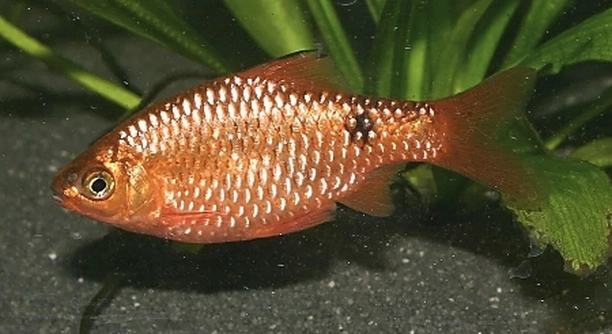
Many fish owners enjoy watching their rosy barbs swim energetically around the tank. Sometimes, these lively fish suddenly stop swimming or hide more than usual. This change can be worrying for anyone who cares about their aquarium friends.
Rosy barbs may refuse to swim due to poor water quality, illness, stress, or improper tank conditions. Identifying and correcting these issues promptly is essential to restore their normal behavior and ensure their health and wellbeing.
Recognizing the causes behind this behavior will help you provide better care. Exploring the key reasons can lead to a healthier environment for your rosy barb and a happier tank overall.
Common Causes of Rosy Barbs Not Swimming
One frequent cause of a rosy barb refusing to swim is poor water quality. When the water has high levels of ammonia, nitrites, or nitrates, fish can become stressed or sick. It’s important to test the water regularly and perform partial water changes to keep the environment clean. Another reason could be sudden changes in temperature or pH, which upset the fish’s comfort. Illnesses such as infections or parasites also affect movement. Stress from overcrowding or aggressive tank mates may cause your rosy barb to hide or stop swimming. Sometimes, the fish might simply be resting or conserving energy, but prolonged inactivity usually signals a problem. Keeping the tank well-maintained and monitoring your fish closely helps prevent these issues.
Regular testing and maintenance can improve your fish’s activity levels and overall health.
Watching your fish closely for signs of illness can catch problems early before they worsen.
Stress and Tank Environment
Stress is a major factor affecting rosy barbs’ swimming behavior. Factors like overcrowding, incompatible tank mates, or sudden loud noises can make fish uneasy. Stress weakens their immune system, increasing the chance of illness. Providing plenty of hiding spots and a proper tank size helps reduce stress. A stable, quiet environment encourages normal swimming. Regular feeding and avoiding overfeeding are also important because poor nutrition can worsen stress effects. If stress is the cause, changes in the environment can lead to quick improvement. Maintaining good water quality alongside a peaceful tank setting creates a safer place for your rosy barb.
Fish feel safer and swim better when their environment matches their needs.
Creating a calm and spacious tank space is essential for their well-being and activity.
Illness and Disease
Illness can cause rosy barbs to stop swimming or act sluggish. Common issues include bacterial infections, parasites, and fungal diseases.
Bacterial infections often show symptoms like redness, swelling, or sores. Parasites may cause flashing (rubbing against surfaces) or visible spots. Fungal infections appear as cotton-like growths. Early treatment is crucial to prevent worsening. Quarantining sick fish and using proper medications help control outbreaks. Poor water quality can worsen these conditions, so maintaining clean water supports recovery.
If your fish refuses to swim and shows any signs of illness, it’s important to act quickly. A veterinarian or experienced aquarist can help identify the problem. Treating the tank and isolating sick fish reduces risks to others. Proper care improves the chances of full recovery and prevents long-term damage.
Water Temperature and Swimming Behavior
Water temperature plays a key role in rosy barb activity. They prefer temperatures between 64°F and 72°F (18°C to 22°C).
When water is too cold, rosy barbs become sluggish and swim less due to slower metabolism. Warmer water speeds up metabolism but may cause stress if temperatures exceed their comfort range. Sudden temperature changes can shock fish, making them inactive or hiding. Using a reliable aquarium heater and thermometer helps keep conditions stable. Avoid placing the tank near drafts or direct sunlight. Keeping the temperature steady ensures your rosy barbs remain healthy and active. Consistent monitoring and adjustment support their normal swimming behavior.
Overcrowding in the Tank
Too many fish in one tank can cause stress and limit swimming space. Rosy barbs need enough room to move freely.
Overcrowding increases waste, which affects water quality. It also raises competition for food and hiding spots, leading to aggressive behavior.
Nutrition and Feeding Habits
Proper nutrition is essential for rosy barbs’ health and energy. Poor diet or irregular feeding can make them less active and weak.
Feeding high-quality flakes, pellets, and occasional live or frozen foods helps maintain their vitality. Avoid overfeeding, which pollutes the water and can cause swim problems.
Lighting and Day-Night Cycle
Rosy barbs need a regular light cycle to stay healthy. Too much or too little light can stress them and affect swimming behavior.
Providing 8 to 12 hours of light daily with a consistent schedule supports their natural rhythms and overall well-being.
FAQ
Why is my rosy barb staying at the bottom of the tank?
When rosy barbs stay at the bottom, it often means they are stressed, sick, or uncomfortable. Poor water quality or low oxygen levels can cause this behavior. Also, sudden changes in temperature or water chemistry might make them hide. Checking water parameters and observing for signs of illness is important to find the cause.
How can I improve my rosy barb’s swimming activity?
Improving water quality by doing regular partial water changes is a good start. Ensure the tank is not overcrowded and maintain stable temperature and pH levels. Providing hiding spots and plants can reduce stress, encouraging them to swim more. Feeding a balanced diet also helps maintain energy levels.
Can my rosy barb recover if it stops swimming?
Yes, recovery is possible if the problem is caught early. Identifying the cause, such as illness or poor tank conditions, and addressing it quickly improves the chances. Quarantining sick fish and using appropriate medication supports healing. Consistent tank maintenance plays a big role in recovery.
Is it normal for rosy barbs to rest often?
Rosy barbs do rest occasionally, especially during night hours or after feeding. However, if resting increases and swimming reduces significantly, it may indicate stress or illness. Monitoring their behavior over time can help differentiate normal rest from a health problem.
How often should I test the water for my rosy barbs?
Testing water weekly is recommended to keep track of ammonia, nitrite, nitrate, pH, and temperature levels. Frequent checks help catch problems early before they affect the fish. Keeping a log can make it easier to spot patterns or sudden changes in water quality.
Can poor diet cause my rosy barb to stop swimming?
Yes, a poor diet lacking essential nutrients can lead to lethargy and reduced swimming. Rosy barbs need a varied diet including flakes, pellets, and occasional live or frozen foods. Overfeeding can also harm them by polluting the tank, so feeding small amounts twice daily is best.
What signs of illness should I look for in my rosy barb?
Look for changes in color, spots, redness, swelling, torn fins, or abnormal swimming patterns. Flashing or rubbing against tank surfaces indicates parasites. Loss of appetite and hiding more than usual are also warning signs. Early detection helps prevent serious health issues.
How does tank size affect rosy barb swimming?
Rosy barbs need a tank large enough to swim freely—at least 20 gallons for a small group. A cramped tank causes stress and aggression, reducing their activity. Providing enough space and hiding places allows natural behavior and healthier swimming.
Can aggressive tank mates cause my rosy barb to stop swimming?
Yes, aggressive fish can intimidate rosy barbs, causing them to hide or stop swimming. Compatibility is important. Peaceful, similarly sized fish make better tank mates. Observing interactions helps determine if aggression is a problem to address.
What role does lighting play in rosy barb behavior?
Proper lighting regulates their day-night cycle, which affects activity and feeding. Too much light causes stress; too little disrupts natural rhythms. Using a timer to provide 8 to 12 hours of light daily helps keep rosy barbs active and healthy.
Rosy barbs are lively fish that bring color and movement to any aquarium. When they suddenly stop swimming or behave unusually, it can be concerning. Many reasons can cause this change, including water quality issues, stress, illness, or an unsuitable environment. Paying close attention to these factors helps keep rosy barbs healthy and active. Regular maintenance of the tank and careful observation of the fish’s behavior are important steps for any fish owner.
Water quality is one of the most important elements for rosy barb health. Keeping the tank clean and stable with regular water tests and partial water changes creates a safe environment for them. Changes in temperature or pH should be avoided, as they can cause stress or illness. A well-maintained tank reduces risks and allows rosy barbs to swim freely and comfortably. Providing proper nutrition and a balanced diet also plays a key role in their overall wellbeing. Feeding the right amount and types of food supports their energy and immune system.
Stress from overcrowding, aggressive tank mates, or poor lighting can affect rosy barbs’ behavior. Creating a peaceful and spacious environment with hiding spots helps reduce stress and encourages natural swimming patterns. Paying attention to signs of illness and acting quickly when needed can prevent serious problems. Understanding your rosy barb’s needs and habits helps you provide better care. With time and patience, your fish will return to their lively self, making your aquarium a vibrant and healthy space.

Hello,
If you enjoy the content that we create, please consider saying a "Thank You!" by leaving a tip.
Every little bit helps us continue crafting quality advice that supports the health, happiness, and well-being of pets around the world, for pets of all shapes, sizes, and species.
We really appreciate the kindness and support that you show us!