
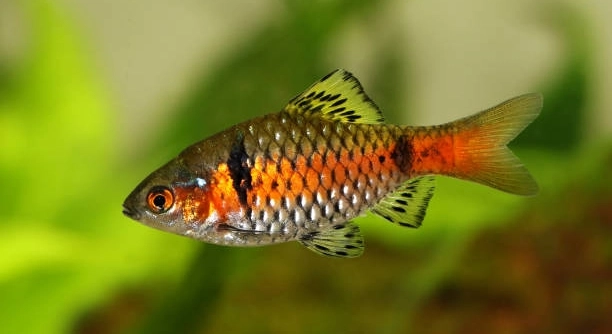
Are your Rosy Barbs behaving oddly, chasing others, or seeming overly active compared to the rest of your tank?
A Rosy Barb may try to dominate the tank through territorial behavior, persistent chasing, and displays of aggression. These actions are often tied to environmental stressors, overcrowding, or imbalanced social dynamics within the aquarium.
Understanding these signs will help you manage tank behavior and keep your fish community peaceful and well-balanced.
Chasing Other Fish Constantly
When a Rosy Barb tries to dominate, one of the first things you might notice is nonstop chasing. This fish will often single out one or more tank mates and follow them around the tank, forcing them to retreat. While occasional chasing can be normal during feeding or playful moments, constant pursuit is a red flag. It puts stress on the fish being chased and disrupts the peace of the tank. This behavior often becomes more obvious during breeding times or if the tank is too small. If you see one Rosy Barb regularly harassing others, it’s likely trying to take control. Watch closely to see if the same fish is always the one doing the chasing and if the others are avoiding it.
Rosy Barbs that chase often do so to establish control over space, especially if they feel threatened or overcrowded.
Providing more hiding spots, plants, and a larger tank can help calm this behavior by reducing stress and giving fish places to escape. It’s also helpful to keep them in groups of five or more to spread out aggression. When kept in too small of a group, one may become dominant and start bullying others. Adjusting the environment can ease tension and reduce aggressive chasing.
Blocking Access to Food
A Rosy Barb trying to dominate may aggressively guard food and push others away during feeding time.
This behavior can lead to uneven growth, increased stress, and even illness in other fish. If one Rosy Barb is consistently first to the food and chases others away, it’s showing clear signs of control. You may also see smaller or more timid fish staying near the back of the tank during feeding. Over time, the aggressive fish will eat more, while the others miss out. This not only affects health but can create fear and imbalance. Spreading food across the tank or feeding in multiple spots can help. It gives the less aggressive fish a better chance to eat without interference. You can also try feeding at both ends of the tank. Keep an eye on weight and behavior. If certain fish are shrinking or hiding, it may be time to separate them or rearrange tank dynamics.
Displaying Flaring Fins and Posturing
A dominant Rosy Barb will often flare its fins and display bold movements. These actions are meant to appear larger and more threatening, especially toward other fish in the tank. It’s a visual sign of control and territorial behavior.
These displays usually happen when another fish comes too close to a favored area or food source. The dominant Rosy Barb may swim sideways, circle others, or arch its body slightly before flaring its fins. These movements are not random—they are warnings. If other fish back off, the behavior may stop. But if the signals are ignored, chasing or nipping can follow. This kind of display is especially common in smaller tanks, where space is limited. Watching for these body signals can help you notice problems early. If it happens regularly, it may be time to adjust tank layout or increase group size to spread tension.
Flaring isn’t always aggressive, but when combined with other signs like chasing or blocking food, it points to a fish asserting control. It may also target weaker or slower fish more often. To help reduce this, check that your tank is not overcrowded and that it has a variety of hiding places. Dense plants or decor can create visual barriers and reduce conflict. Keeping the water clean and the lighting gentle can also make fish feel more secure. A calm environment leads to calmer behavior.
Guarding a Specific Spot in the Tank
If a Rosy Barb picks one area and keeps others away from it, it’s showing territorial behavior. This could be near plants, decorations, or even the filter. It may chase or nip any fish that enters this space.
This guarding often happens when the fish feels the need to control a part of the tank. It may hover there constantly, even during feeding. This can stress the other fish and limit their movement.
Chasing After Reflections or Movements Outside the Tank
Sometimes a Rosy Barb will react to its own reflection or movements outside the glass. This can trigger dominance-like behavior such as flaring fins or darting quickly. It might appear like the fish is challenging an intruder, even when there isn’t one. Over time, this can cause stress or overstimulation.
Nipping at Fins
Nipping is a more aggressive sign and can lead to injury. A dominant Rosy Barb may target the fins of slower fish, especially if it sees them as competition or weakness.
How can I tell if my Rosy Barb is really dominating or just being active?
Rosy Barbs are naturally energetic and social fish, so some chasing and swimming around is normal. However, when one fish consistently targets others with chasing, fin flaring, or blocking access to food, it shows signs of dominance rather than simple activity. Watch for repeated aggressive behavior toward the same fish or in the same area. If other fish look stressed, hiding, or have torn fins, the dominant behavior is likely affecting the tank’s balance.
What causes a Rosy Barb to act dominant in the tank?
Dominance usually appears due to environmental stress, overcrowding, or an imbalance in the social group. Small tanks with too few fish can increase competition, as there’s less space to establish territories. Poor water quality or lack of hiding spots can also heighten stress, making fish more aggressive. Sometimes, dominance is linked to breeding behavior, where males try to claim territory or attract mates.
Can adding more Rosy Barbs reduce dominance?
Yes. Rosy Barbs are schooling fish and feel more secure in groups of at least five. Increasing their numbers can spread out aggression and reduce the chance that one fish becomes overly dominant. When kept alone or in small groups, one fish may take control and bully others. Adding more can balance social interactions and improve tank harmony.
What tank size is best to prevent dominance issues?
A tank of at least 30 gallons is recommended for a small group of Rosy Barbs. Larger tanks provide more space for swimming and territory, which lowers stress and aggression. In cramped environments, fish have less room to avoid each other, making conflicts more likely.
How can I stop a dominant Rosy Barb from bullying others?
Increasing hiding spots and plants helps weaker fish escape and reduces tension. Feeding food in multiple places also allows shy fish to eat safely. If problems persist, rearranging tank decorations can break up established territories. In severe cases, separating the aggressive fish or upgrading to a larger tank may be necessary.
Is fin nipping a sign of dominance or illness?
Fin nipping is often linked to dominance and stress but can also result from poor water conditions or illness. Dominant fish nip to show control or weaken rivals. Check water quality and observe all fish for signs of disease. Treating the environment usually helps reduce nipping behavior.
Will dominance behavior harm the overall health of my fish?
Yes, constant stress from bullying can weaken fish immune systems, slow growth, and increase vulnerability to disease. Injuries from nipping can lead to infections. A peaceful tank supports healthier fish and longer lifespans.
Can changing the diet affect dominance behavior?
Proper nutrition keeps fish healthy and less aggressive. Feeding a varied, balanced diet with good-quality flakes, pellets, and occasional live or frozen foods can reduce stress and aggressive tendencies. Overfeeding or underfeeding may worsen behaviors.
Are there peaceful tank mates that can help balance Rosy Barb dominance?
Choosing tank mates that are fast, active, and similar in size can help balance aggression. Avoid slow-moving or long-finned fish, as they become targets. Good companions include other barbs, danios, or certain types of tetras.
When should I consider separating a dominant Rosy Barb?
If aggressive behavior causes injury, constant stress, or prevents other fish from eating, separating the dominant fish may be necessary. A separate tank or divider can protect weaker fish while allowing you to monitor and adjust the situation.
Dominance in Rosy Barbs is a common behavior that many aquarium owners will notice at some point. While it can be stressful to see one fish constantly chasing or intimidating others, understanding the reasons behind this behavior helps manage the situation better. These fish often show dominance through chasing, fin flaring, or guarding favorite spots. This behavior usually comes from a need to establish territory or control resources like food. Recognizing these signs early can prevent harm to other fish and keep the tank environment peaceful.
There are several ways to reduce dominance problems in your tank. Providing enough space and hiding spots is very important. A larger tank with plenty of plants and decorations helps spread out the fish and lowers stress. Keeping Rosy Barbs in groups of five or more can also balance aggression. Feeding in multiple places and at different times helps all fish get their share without competition. Sometimes, rearranging tank decorations or even separating the most aggressive fish becomes necessary. Maintaining good water quality and a healthy diet supports calm behavior and overall fish health.
Remember that a peaceful aquarium benefits all the fish and makes the experience more enjoyable. Dominance is natural, but it should not cause harm or long-term stress. Watching your fish closely and making small adjustments to their environment can go a long way. Patience and observation will help you find the right balance for your Rosy Barbs and their tank mates. With care and attention, your aquarium can remain a calm and healthy space for every fish.

Hello,
If you enjoy the content that we create, please consider saying a "Thank You!" by leaving a tip.
Every little bit helps us continue crafting quality advice that supports the health, happiness, and well-being of pets around the world, for pets of all shapes, sizes, and species.
We really appreciate the kindness and support that you show us!