
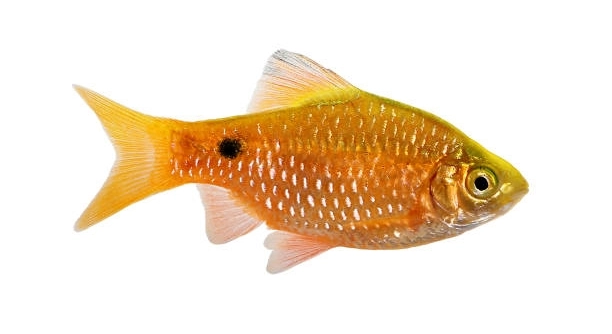
Rosy barbs are small, lively fish that often become more active at night. Their sudden bursts of movement can catch the attention of fishkeepers and nature lovers alike. Understanding why they zoom around after dark helps us appreciate their behavior better.
Rosy barbs exhibit increased nighttime activity due to their natural instincts and environmental factors such as low light conditions, which stimulate their exploratory and foraging behaviors. This activity is also influenced by their circadian rhythms and the safety perceived during darker hours.
Exploring these patterns sheds light on how to create a comfortable environment for rosy barbs in captivity. This knowledge supports their well-being and encourages natural behavior in home aquariums.
Why Rosy Barbs Are More Active at Night
Rosy barbs naturally become more active after sunset. As daylight fades, their instincts prompt them to explore and search for food. Lower light makes them feel safer from predators, encouraging movement. This behavior is common among many small fish species, which use nighttime to forage quietly. In aquariums, the dimming of lights signals this change, causing rosy barbs to swim quickly and energetically. They also rely on their internal clocks, or circadian rhythms, which regulate their activity cycles. These rhythms help them adapt to the daily light and dark phases. The swimming bursts can appear sudden but are part of their natural pattern. Observing this behavior gives insights into their needs and how to keep them comfortable. Nighttime activity is a sign of healthy instincts and proper adjustment to their environment. By understanding these triggers, aquarists can improve the habitat and reduce stress in their fish.
The low-light conditions paired with natural instincts drive rosy barbs to become active and explore at night. This is an adaptive behavior linked to survival and foraging.
This active phase can be supported by gradually dimming aquarium lights in the evening. Providing hiding spots and consistent feeding schedules aligned with their activity cycles helps maintain their health. Being aware of their nighttime energy levels can prevent unnecessary worry and promote better care. Creating an environment that mimics natural conditions supports their well-being and encourages positive behavior.
How Aquarium Conditions Affect Nighttime Activity
Proper aquarium conditions greatly influence how much rosy barbs zoom around at night. Temperature, lighting, and tank setup play major roles. Water temperature affects their metabolism, with slightly warmer water increasing activity. Sudden changes in lighting can startle them, so gradual dimming is best. A tank with enough plants and hiding places makes them feel secure. Without cover, they might stay still or hide more, reducing movement. Clean water and balanced pH levels keep them healthy, encouraging natural behavior. Overcrowding can cause stress and reduce activity. Feeding routines also impact their energy. Feeding before lights go out may cause a burst of movement as they search for leftover food. Attention to these factors can create a stable environment where rosy barbs show their normal nighttime habits without stress or fear.
Maintaining stable, natural-like conditions is key to supporting rosy barbs’ healthy nighttime behavior and energy levels.
Monitoring tank parameters regularly and adjusting light cycles can help keep their environment consistent. Including plants and hiding spots replicates their natural habitats, giving them comfort during dark hours. Feeding at consistent times encourages predictable activity patterns. Avoiding overcrowding reduces competition and anxiety. Together, these practices improve their quality of life and keep their nighttime zooming normal and healthy.
Feeding Habits That Influence Nighttime Zooming
Feeding times and food types affect how energetic rosy barbs are at night. When they eat right before dark, they tend to be more active afterward. Their natural instinct is to forage when light is low, searching for any leftover food.
Feeding rosy barbs with small, frequent meals mimics their natural eating behavior. Floating flakes or pellets can prompt chasing and quick swimming during feeding. Protein-rich foods boost their energy levels, causing more movement. Overfeeding may lead to sluggishness, so portion control is important. Timing meals to align with their active phases encourages natural behavior and reduces stress.
Light-sensitive fish like rosy barbs rely on their feeding routine to maintain energy balance. Adjusting feeding to happen just before lights dim can create lively but controlled activity. It helps prevent excessive restlessness while promoting healthy nighttime zooming, making the tank environment enjoyable to watch and easy to manage.
Social Behavior and Group Dynamics
Rosy barbs are social fish that feel safer and more confident in groups. When kept alone, they may hide or stay still, but in schools, their nighttime activity increases.
A group provides security and encourages natural movement. Watching them swim together at night can be quite lively. Group size matters—too many fish can cause stress, while too few reduce social benefits. Ideally, a moderate-sized group balances interaction with comfort, promoting regular activity cycles and playful chasing. Their social bonds drive much of the nighttime energy seen in aquariums.
Understanding their social needs helps in setting up an aquarium that encourages healthy, natural behavior. A well-adjusted group size fosters calmer fish that still enjoy bursts of nighttime movement without overwhelming the tank environment.
Light and Dark Cycles
Proper light and dark cycles are essential for rosy barbs’ natural behavior. Sudden changes in lighting can stress them, causing erratic swimming or hiding.
Gradual dimming simulates sunset and signals the start of their nighttime activity. Consistent light cycles help regulate their internal clocks and maintain healthy rhythms.
The Role of Stress in Nighttime Activity
Stress can cause rosy barbs to either freeze or dart around unpredictably at night. Causes include poor water quality, overcrowding, or sudden noises. Reducing stress by maintaining clean water, a proper tank size, and a calm environment supports stable nighttime behavior.
Stress disrupts their natural rhythms and may lead to health issues if prolonged. Creating a peaceful habitat encourages normal energy bursts and reduces erratic movements.
Impact of Tank Size
A larger tank gives rosy barbs more space to swim freely. This encourages natural nighttime zooming and reduces stress from confinement.
Importance of Hiding Spots
Hiding spots provide safety and comfort. When they feel secure, rosy barbs are more likely to swim actively at night.
FAQ
Why do rosy barbs suddenly zoom around at night?
Rosy barbs zoom around at night mainly because their natural instincts make them more active in low light. Darkness provides a sense of safety from predators, encouraging them to explore and search for food. Their internal circadian rhythms also trigger bursts of activity during these hours, which is a normal and healthy behavior.
Is it normal for rosy barbs to be more active after the lights go out?
Yes, it is normal. Rosy barbs are naturally more energetic in dimmer conditions. This increase in activity aligns with their instincts to forage when fewer threats are visible. In captivity, dimming aquarium lights gently helps mimic this natural cycle and supports their well-being.
Can feeding times affect their nighttime energy?
Feeding right before the lights dim can increase their nighttime activity. They often swim quickly as they search for any leftover food. Providing small, frequent meals with appropriate portions keeps their energy balanced and prevents overfeeding, which can reduce activity.
Does tank size influence how much they zoom around?
Tank size plays a significant role. Larger tanks offer more swimming space, encouraging natural bursts of movement. Smaller tanks can restrict their activity and cause stress, which might reduce the lively nighttime zooming behavior.
How does water quality affect their behavior?
Poor water quality causes stress and erratic swimming. Clean, well-maintained water supports healthy fish behavior, including nighttime activity. Regular water changes and monitoring pH and ammonia levels are important to keep rosy barbs comfortable and active.
Do rosy barbs prefer to be in groups or alone at night?
Rosy barbs are social fish and prefer groups. They feel safer and more confident in schools, which encourages natural swimming and chasing behavior at night. Alone, they may hide or stay still, showing less of their usual lively movement.
What kind of lighting is best for supporting their natural rhythms?
Gradual light dimming works best to mimic natural sunset conditions. Abrupt changes can stress the fish, leading to erratic or reduced activity. Consistent light and dark cycles maintain their internal clocks, supporting regular patterns of movement.
Can stress cause changes in their nighttime zooming?
Yes, stress can cause unpredictable behavior like excessive darting or freezing. Stressors include overcrowding, sudden noises, poor water quality, and lack of hiding spots. Minimizing these factors helps maintain normal, healthy nighttime activity.
Why do rosy barbs need hiding spots if they are active at night?
Even active fish need places to feel secure. Hiding spots reduce stress by offering refuge when they want to rest or avoid perceived threats. When they feel safe, they show more natural, confident activity during their active periods.
How do temperature changes affect their nighttime behavior?
Water temperature impacts metabolism and activity. Slightly warmer water generally increases energy and movement, while colder water can slow them down. Keeping temperature stable and within recommended ranges promotes healthy nighttime zooming.
Is excessive nighttime zooming ever a sign of a problem?
If the zooming becomes frantic or continuous, it could signal stress or poor water conditions. Normal bursts are short and part of their routine. Prolonged frantic swimming should prompt checking tank parameters and possible adjustments to reduce stress.
What should I do if my rosy barbs don’t move much at night?
Limited nighttime activity can indicate stress, illness, or poor environmental conditions. Check water quality, tank size, group size, and lighting. Providing hiding spots and stable feeding routines can also encourage more natural nighttime movement.
How often should I feed rosy barbs to support their energy levels?
Feeding small amounts two to three times daily helps maintain steady energy. Overfeeding can lead to sluggishness and poor water quality, while too little food reduces activity. Aligning feeding times with their active phases encourages lively behavior.
Are there any special care tips to keep rosy barbs active and healthy?
Maintain stable water parameters, avoid overcrowding, provide hiding places, and ensure consistent light cycles. Feeding quality food at proper intervals supports energy. Observing their behavior regularly helps catch any issues early and keep their activity balanced.
These answers cover the most common concerns about why rosy barbs zoom around at night and how to support their natural behavior effectively.
Rosy barbs are naturally lively fish that show increased activity during the night. This behavior is rooted in their instincts and the way they respond to their environment. The low light conditions at night give them a sense of safety, encouraging them to swim around and explore their surroundings. Their internal clocks also play an important role by signaling when to be active and when to rest. Understanding this helps fishkeepers provide better care and create a more comfortable habitat for their rosy barbs.
Creating the right environment for rosy barbs is key to supporting their natural behavior. Stable water quality, appropriate tank size, and proper lighting cycles all contribute to their well-being. Providing hiding spots allows them to feel secure, which can encourage more natural movement during their active periods. Feeding routines that align with their activity cycles help maintain balanced energy levels. By paying attention to these details, fishkeepers can reduce stress and promote healthier, more predictable activity patterns in their fish.
Watching rosy barbs zoom around at night is a sign of healthy behavior and a well-maintained aquarium. It reflects how well they have adapted to their environment and the care they receive. Recognizing the factors that influence their nighttime activity allows for better decisions in aquarium setup and maintenance. This awareness helps ensure that rosy barbs remain energetic and comfortable, making them enjoyable to observe and easier to care for over time.

Hello,
If you enjoy the content that we create, please consider saying a "Thank You!" by leaving a tip.
Every little bit helps us continue crafting quality advice that supports the health, happiness, and well-being of pets around the world, for pets of all shapes, sizes, and species.
We really appreciate the kindness and support that you show us!