
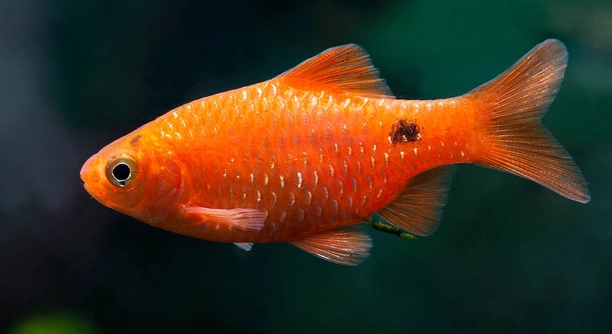
Have you ever watched your rosy barbs swim to the front of the tank whenever you walk by, almost like they’re expecting something?
Rosy barbs can be trained to associate specific cues, such as movement or light changes, with feeding times. Through consistent repetition and reinforcement, these fish can learn to anticipate food when those signals appear in their environment.
This behavior shows how intelligent and adaptable rosy barbs can be when given consistent feeding routines and gentle reinforcement.
How Rosy Barbs Learn Feeding Patterns
Rosy barbs can begin recognizing patterns when feeding is done at consistent times or with clear signals. This can be as simple as turning on a light before feeding or tapping gently on the tank. Over time, they start linking these actions with food. Repeating these cues daily helps them respond more quickly. They may swim to the surface, become more active, or gather near the usual feeding area. This kind of training isn’t complex, and it doesn’t require special tools—just patience and consistency. Once the association is strong, rosy barbs will show visible anticipation before each feeding.
Their behavior becomes more predictable once they’ve made that association. You’ll notice quicker reactions and better focus at feeding times.
Rosy barbs have a natural ability to respond to changes in their environment. This helps them adjust quickly when food routines are stable. Training them to expect food at certain times can help prevent overfeeding, reduce waste, and even strengthen their sense of routine. Since these fish are social and active, regular feeding signals create structure and reduce stress. If your barbs recognize feeding cues, it means they’re alert, healthy, and learning from their surroundings. With time, this type of training makes daily care more efficient and enjoyable.
Why Consistency Matters
Rosy barbs respond well to regular schedules and predictable signals. Skipping or changing routines too often can confuse them.
Their memory is limited, but consistency helps reinforce behavior. Using the same cue each time—like a light flicker or soft tap—trains them to react. It’s important not to mix signals or change feeding times often. Unpredictable feeding habits can cause stress or lead to them ignoring cues altogether. A stable schedule builds trust and makes it easier to spot changes in behavior that might signal health issues. Also, regular feeding helps avoid uneaten food buildup, which affects water quality. If your barbs are always active and responsive at feeding time, that’s a good sign they’re adjusting well. Learning takes time, but once patterns are in place, it becomes easier to manage their needs. Making small, consistent efforts will improve their behavior and help you care for them with confidence.
How to Train Your Rosy Barbs
Start by picking one cue and sticking to it—this could be flicking the tank light or tapping once on the glass. Always do it right before feeding to build a strong link in their behavior.
After choosing a cue, use it once a day at the same time. Drop the food in immediately after. Over several days, your rosy barbs will begin swimming to the top or moving with excitement once the cue happens. Don’t switch up the signal, or they might lose interest. Keep your hands away from the tank outside of feeding time, so the signal stays clear. This keeps their response connected only to the intended action. Use high-quality food and avoid overfeeding. Watch for the moment they respond to the cue, and reinforce it with steady timing. It may take a week or two, but the results are usually reliable.
Once they respond consistently, you’ll notice changes in their timing and excitement levels. Training isn’t just about feeding—it helps create a healthy tank environment. Rosy barbs stay alert and active, which means you can spot issues earlier, like sluggish behavior or lack of interest in food. These changes can help you catch problems before they grow. Over time, this small routine shapes a better tank life for them.
Mistakes to Avoid When Training
Avoid switching cues or feeding times too often. It confuses your rosy barbs and weakens the pattern you’re trying to build. Keep things simple, repetitive, and easy for them to link.
Feeding too frequently or without a clear cue can cause them to stop responding. They may begin expecting food constantly, leading to stress and poor tank behavior. Another mistake is overfeeding during training. This can lead to poor water conditions and health issues. Make sure your signal is clear and always followed by feeding—never use it randomly. Also, avoid tapping too hard or using loud signals that may scare them. Training should be calm and predictable. If you live with others, let them know not to feed or signal randomly, or it may undo your work. Patience and repetition are the keys. Stick to one method and give your rosy barbs time to learn at their pace.
Signs Your Training Is Working
Your rosy barbs will swim toward the usual feeding area right after the cue. This behavior shows they’ve linked the signal with food. Quick movement and group gathering are reliable signs.
They may become more active at feeding time, even before the cue happens. This means they’ve learned the routine and are anticipating the signal.
What to Do if They Stop Responding
If they stop reacting, check that the cue is still clear and consistent. Avoid changing the signal or feeding time without reason. Sometimes, stress, illness, or poor water conditions may affect their behavior. Make sure the tank is clean and your barbs appear healthy. If everything looks fine, go back to the basics—use the same cue at the same time each day and reduce distractions around the tank. Be patient and observe closely. It may take a few days for them to reestablish the connection, especially if something disrupted the routine.
When to Start Training
Start once your rosy barbs are settled and swimming comfortably in their tank. Give them a few days to adjust before introducing a consistent cue.
FAQ
Can all rosy barbs be trained to expect food?
Yes, most rosy barbs can learn to associate a specific signal with feeding, especially when the signal is consistent. While each fish may respond differently depending on personality and past experiences, their natural alertness makes them quick learners. Keeping the signal simple and using it daily helps them recognize it faster. Some may react more eagerly than others, but with time, nearly all healthy rosy barbs will catch on. If a few in your group seem slower, just be patient—they often learn by watching the others respond and follow the lead over time.
How long does it usually take for them to respond to a cue?
It typically takes about a week of consistent training for rosy barbs to start linking a cue with feeding. Some may respond within just a few days, while others may need closer to two weeks. Repetition is key. Stick to the same signal and feed at the same time every day. Avoid using the signal outside of feeding, or it can slow the process. Watching for their movement after the cue is the best sign that it’s working. Don’t expect dramatic behavior right away; even subtle changes show progress.
What kind of signals work best?
The best signals are ones that are gentle, clear, and repeated consistently. Tapping once on the glass, flicking the light switch, or opening the lid slowly are common examples. Avoid loud noises, flashing lights, or sudden movements that might scare the fish. Choose one signal and keep it the same each time you feed. If you try multiple signals, it can confuse them or reduce their response. A signal that slightly alters their environment—like a light turning on—tends to grab their attention and works well over time.
Can overfeeding become a problem during training?
Yes, overfeeding can quickly become an issue. When training, it’s easy to give extra food to reinforce behavior, but this can lead to leftover food, poor water quality, and health problems. Stick to your regular feeding portion, even during training. The goal is to link the signal with the act of feeding, not increase how much they eat. Watch how much they consume within a few minutes and remove any uneaten bits. Keeping your training sessions structured will help your barbs stay healthy while still learning the routine.
Do rosy barbs respond better to visual or sound cues?
They tend to respond better to visual cues like a hand movement, lid opening, or light flicker. While they may react to soft tapping, too much noise can stress them. Visual changes are less likely to cause anxiety and are easier for them to connect with food. Their sharp movement toward the surface often starts when they see you approach or sense motion near the tank. Combining a light flicker with your approach works well for many people. Pick the cue that suits your tank setup and stick with it.
What if only some of the barbs respond to the training?
That’s normal at first. Not all rosy barbs respond at the same time or with the same intensity. Some may be more dominant and take over feeding zones faster. Others might hang back or take longer to react. Keep training consistent, and eventually, the others usually follow. Watching their group behavior can give slower learners the confidence to participate. Avoid overfeeding the eager ones just to engage the others. With time, the group tends to develop a shared pattern and reacts together.
Can young rosy barbs be trained the same way as adults?
Yes, but younger barbs may take a little longer to respond. They’re still learning their environment and may be more easily distracted. Keep training short and consistent, just like with adults. Using a soft cue like turning on a light can be very effective. Their responses may seem hesitant at first, but if the training is steady, they will start responding just like the older fish. Be sure not to overfeed or over-stimulate them, especially in a small tank setup.
Will trained rosy barbs always respond to cues, even months later?
If training is maintained regularly, they will continue responding for a long time. However, if cues are stopped or become inconsistent, the association can fade. If that happens, you can retrain them by starting the routine again. In most cases, they will relearn it faster the second time. Keeping feeding routines stable is the best way to preserve their trained behavior. If you’re away and someone else feeds them, ask them to use the same cue to keep things familiar. Rosy barbs thrive on consistency and routine.
Final Thoughts
Training rosy barbs to expect food is simple, and it works well when done with patience and consistency. These fish are alert and responsive, especially when they begin to recognize a pattern in their daily care. Using a single, clear cue before feeding—like a soft tap or turning on the light—helps build that connection. Over time, they learn to link the signal with food, and their behavior will start to reflect that. You may see them swim to the top of the tank, gather in the same spot, or become more active before eating. These signs show that the training is working and your fish are comfortable in their routine.
The goal isn’t to force behavior but to make feeding more structured and calm. A consistent feeding signal helps reduce stress for the fish and gives you a better way to monitor their health. If your barbs stop responding to cues, it can be a sign of poor water quality, overfeeding, or illness. Watching how they behave during feeding can help you notice small problems early. This kind of training doesn’t require anything complicated—it’s about being steady with timing, using a cue they can see or hear clearly, and making sure their environment is calm. When the tank feels predictable, the fish feel safer and respond better.
Once the feeding signal becomes part of their routine, both you and your fish benefit. Feeding becomes quicker, cleaner, and less stressful. Your rosy barbs will know when to expect food, and you’ll be able to avoid overfeeding by watching how they respond. This small habit also gives you a moment to check on them daily—how they move, eat, and interact. With just a little effort, this simple form of training supports better care, makes your daily routine easier, and creates a more peaceful tank environment. Whether your barbs are young or fully grown, this kind of structured routine helps them stay healthy, active, and well-adjusted over time.

Hello,
If you enjoy the content that we create, please consider saying a "Thank You!" by leaving a tip.
Every little bit helps us continue crafting quality advice that supports the health, happiness, and well-being of pets around the world, for pets of all shapes, sizes, and species.
We really appreciate the kindness and support that you show us!