
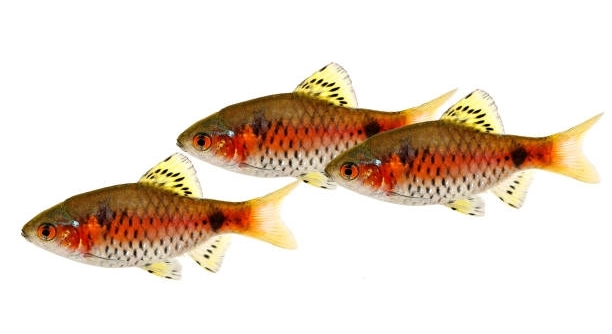
Rosy barbs are popular freshwater fish known for their vibrant colors and lively behavior. Watching one hover in place for hours can seem unusual to many aquarium enthusiasts. This behavior often sparks curiosity about what causes it and what it means for the fish’s health.
A rosy barb may hover in place for hours due to factors such as water quality, oxygen levels, stress, or resting behavior. It can indicate the fish is sensing changes in its environment or conserving energy. Monitoring these conditions helps ensure the fish’s well-being.
Understanding why rosy barbs exhibit this behavior can improve your care routine and help maintain a healthy aquarium environment. There are simple signs and actions to watch for that reveal much about your fish’s needs.
Reasons Why Rosy Barbs Hover in Place
Rosy barbs may hover in one spot for several reasons, mostly related to their environment and physical condition. One common cause is low oxygen levels in the water. When oxygen is limited, fish often stay near the surface or remain still to conserve energy. Another factor can be stress, which comes from overcrowding, sudden changes in water temperature, or poor water quality. Sometimes, rosy barbs hover simply because they are resting or digesting after eating. If they feel safe and comfortable, they might stay still for longer periods. Checking water parameters like temperature, pH, and ammonia levels regularly helps prevent stress. Keeping the tank clean and well-aerated supports healthy fish behavior. Watching for changes in activity or appetite is also important to detect any potential health issues early.
Oxygen levels and water quality are the most critical factors that influence this behavior. Maintaining them helps your fish stay active and healthy.
Recognizing why your rosy barb hovers can prevent unnecessary worry. If the fish is not showing signs of illness, hovering might be normal resting. However, consistent stillness paired with other symptoms like loss of appetite or discoloration needs attention. Testing your tank water and ensuring proper filtration can quickly improve conditions. Adding live plants or an air pump can increase oxygen. Small changes in tank setup often make a big difference in your fish’s comfort. Observing the fish closely will help you learn what is normal for them and when to act.
How to Improve Your Rosy Barb’s Environment
Improving the tank environment can reduce the hovering behavior and keep your rosy barb more active. Focus on water quality and oxygenation first.
Stable water conditions are key to healthy fish. Perform regular water changes to remove waste and toxins. Avoid overcrowding your tank, as too many fish can lower oxygen and increase stress. Proper filtration is necessary to keep the water clean and clear. Using an air pump or adding floating plants can raise oxygen levels, helping fish breathe more easily. Temperature should remain consistent, ideally between 64 and 72°F (18-22°C) for rosy barbs. If you notice your fish still hovering after improving these conditions, check for signs of disease or parasites. Sometimes, a veterinary diagnosis is needed to rule out infections. Creating a calm environment with hiding spots can also help fish feel secure and reduce stress-related hovering.
Signs of Stress in Rosy Barbs
Stress in rosy barbs can show in several ways, such as loss of appetite, faded colors, or unusual hiding. These signs often mean the fish is uncomfortable or unwell.
Stress may result from poor water quality, sudden changes in temperature, or aggressive tank mates. When stressed, rosy barbs may also hover in place more frequently or swim erratically. It’s important to monitor their behavior regularly to catch these signs early. If you notice any of these symptoms, testing the water and reviewing tank conditions is necessary. Adjusting the environment or separating aggressive fish can help reduce stress. Proper nutrition and a stable habitat promote healthier, calmer fish.
Stress weakens the immune system, making fish more prone to diseases. Addressing the cause quickly helps prevent serious health problems and supports recovery.
Feeding and Activity Levels
A rosy barb’s activity often depends on its feeding habits. Healthy, well-fed fish tend to be more active and curious in the tank. Overfeeding can cause sluggishness and hovering, as excess food pollutes the water and stresses the fish.
Maintaining a balanced diet is essential for energy and overall health. Feed small amounts twice daily and remove uneaten food promptly to keep the tank clean. Watching your fish during feeding time can reveal changes in appetite or behavior, signaling potential problems early. A proper feeding routine helps your rosy barb maintain consistent activity levels and reduces time spent hovering or resting unnaturally. Ensuring a varied diet with quality flakes or pellets, supplemented occasionally with live or frozen foods, supports vitality and vibrant colors.
Tank Size and Space
Rosy barbs need enough space to swim freely. A small or overcrowded tank can cause stress and lead to hovering behavior.
Providing at least 20 gallons for a small group helps maintain good water quality and reduces competition for space.
Water Temperature Effects
Water temperature affects rosy barbs’ metabolism and activity. Temperatures that are too low or too high can make them less active and cause them to hover.
Keeping the temperature stable between 64°F and 72°F supports normal behavior and overall health.
When to Consult a Vet
If your rosy barb hovers for long periods and shows other signs like discoloration or difficulty swimming, it may be ill.
Seeking professional advice can help diagnose and treat possible infections or diseases early, improving your fish’s chance of recovery.
Lighting Conditions
Proper lighting impacts rosy barbs’ activity levels. Too bright or too dim lighting can stress them and cause unusual behavior like hovering.
FAQ
Why does my rosy barb hover near the surface?
Hovering near the surface often means the fish is seeking more oxygen. This can happen if the water is low in oxygen or poorly circulated. Checking your tank’s aeration and filtration system usually helps. Adding an air pump or more plants can also improve oxygen levels.
Is it normal for rosy barbs to stay still for hours?
Sometimes, yes. Rosy barbs may rest or digest food by staying still. However, if this behavior is frequent or accompanied by other signs like loss of appetite or faded colors, it could indicate stress or illness.
Can water quality affect hovering behavior?
Absolutely. Poor water quality with high ammonia, nitrite, or nitrate levels can stress fish and cause them to hover or behave unusually. Regular water tests and maintenance are key to keeping your fish healthy.
How often should I change the water to prevent hovering issues?
A 20-25% water change every week is generally recommended. This keeps toxins low and maintains stable water conditions, reducing stress on your fish.
What water temperature is best for rosy barbs?
Rosy barbs thrive in water between 64°F and 72°F (18-22°C). Temperatures outside this range can cause discomfort, stress, or even health problems, leading to unusual behaviors like hovering.
Can tank mates cause my rosy barb to hover?
Yes, aggressive or overly active tank mates can stress rosy barbs, making them hover or hide more. Choose compatible fish and provide enough space to reduce competition and stress.
Could disease be causing my rosy barb to hover?
Disease is a possibility if hovering comes with symptoms like lethargy, discoloration, or abnormal swimming. Common illnesses include parasites or bacterial infections. Consult a vet or aquatic specialist if you suspect illness.
Does feeding affect my rosy barb’s activity?
Overfeeding can pollute the tank and lead to sluggish behavior or hovering. Feeding small amounts twice a day and removing leftover food helps maintain water quality and keeps your fish active.
Are there natural reasons for hovering behavior?
Yes, fish sometimes hover as a resting behavior or to conserve energy. This is normal when the environment is stable and the fish shows no signs of distress.
What should I do if my rosy barb keeps hovering despite good water conditions?
Review tank setup for stress factors like lighting, tank size, or temperature fluctuations. Sometimes environmental changes or health checks are needed. Observing your fish closely will guide your next steps.
Final Thoughts
Rosy barbs are active and colorful fish that bring life to any aquarium. When they hover in place for long periods, it can be a sign that something in their environment needs attention. Sometimes, this behavior is normal resting or a way to conserve energy, but it often points to issues like water quality, oxygen levels, or stress. Paying close attention to their behavior and tank conditions can help you understand what your fish need. Keeping the water clean and stable, maintaining the right temperature, and providing enough space all contribute to a healthy environment where your rosy barbs can thrive.
Stress is a common reason why rosy barbs hover and stay still. It may come from overcrowding, poor water quality, or incompatible tank mates. Stress weakens their immune system and makes them more vulnerable to illness. Watching for signs like loss of appetite, faded colors, or hiding helps you catch problems early. Taking steps to reduce stress, such as improving water conditions and making sure the tank is not overcrowded, will help your fish feel safer and more comfortable. A peaceful tank with stable conditions encourages natural behavior and activity.
Taking care of rosy barbs means understanding their needs and environment. Feeding them a balanced diet, providing clean water, and maintaining proper temperature and oxygen levels are key. If your fish shows unusual behavior, such as hovering for long hours, check the tank first before worrying about illness. Sometimes small changes make a big difference. If problems persist, consulting a professional can give you guidance on how to help your fish. By paying attention and making simple adjustments, you can support the health and happiness of your rosy barbs for many years.

Hello,
If you enjoy the content that we create, please consider saying a "Thank You!" by leaving a tip.
Every little bit helps us continue crafting quality advice that supports the health, happiness, and well-being of pets around the world, for pets of all shapes, sizes, and species.
We really appreciate the kindness and support that you show us!