
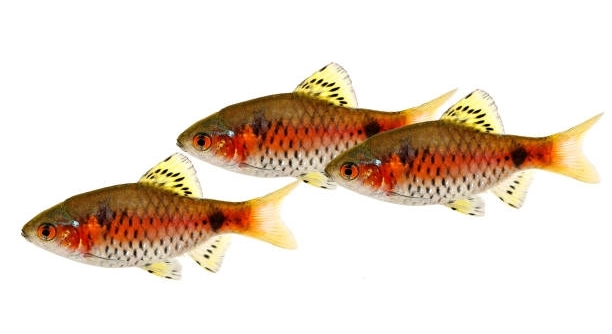
Rosy barbs are colorful, lively fish that many enjoy keeping in home aquariums. Sometimes, they nip at plants, which can be frustrating for aquarists who want a healthy, green environment. This behavior often leaves owners wondering why it happens.
Rosy barbs nip plants mainly because of boredom, lack of proper nutrition, or insufficient hiding spaces in the tank. When these fish do not get enough stimulation or the right diet, they may chew on plants as a form of interaction or to find food.
Understanding the reasons behind this nipping can help you create a better environment for your rosy barbs and keep your plants healthy and thriving.
Why Rosy Barbs Nip Plants
Rosy barbs may nip at plants when they feel bored or stressed. In a tank without enough things to explore, they look for something to do. Sometimes, they mistake soft plants for food or chew on them to relieve boredom. Another reason is their diet. If they lack certain nutrients, especially greens, they might nibble on plants to make up for it. Also, if the aquarium is overcrowded or lacks hiding spots, rosy barbs may become restless and more likely to nip plants. Watching their behavior closely can help spot these issues early. Adding decorations, live plants, or tank mates can reduce this behavior. Feeding a balanced diet that includes vegetables can also satisfy their needs. These small changes often help rosy barbs leave the plants alone and focus their energy elsewhere.
Adjusting the tank environment and diet can make a big difference in stopping plant nipping.
A tank with plenty of space, hiding places, and a balanced diet keeps rosy barbs happier and less likely to bother plants.
How to Protect Your Aquarium Plants
Keeping plants safe means providing enough stimulation and proper food for your fish. Add floating plants or sturdy decorations where fish can explore. This helps reduce boredom. Make sure the tank isn’t too crowded, and there are places for rosy barbs to hide and feel secure. Feeding your fish vegetables like blanched spinach or peas gives them nutrients and reduces their need to nibble plants. You can also try tougher plant species that aren’t as easy to bite, such as Java fern or Anubias. Regular tank maintenance and water changes also keep the environment healthy, which can reduce stress and unwanted behaviors. Taking these steps helps protect your plants and creates a happier tank for your rosy barbs.
Choosing the Right Plants for Rosy Barbs
Some plants are more resistant to nipping than others. Hardy plants like Java fern, Anubias, and Amazon sword are less likely to be damaged by rosy barbs. These plants have tougher leaves that fish find harder to chew on. Using these can help keep your aquarium looking good despite some nibbling.
Plants with thick or waxy leaves can tolerate rosy barbs’ behavior better. Soft plants like hornwort or floating plants may get damaged quickly. Choosing plants that suit your fish’s habits helps create a balanced tank where both plants and fish thrive.
It’s helpful to observe which plants your rosy barbs leave alone and which ones they attack. Over time, this can guide your choices. Adding a variety of hardy plants improves the overall health and appearance of your aquarium while minimizing damage.
Tank Setup Tips to Reduce Plant Nipping
Providing plenty of space helps reduce stress and boredom in rosy barbs. A larger tank gives them room to swim and explore without turning to plants for entertainment. Avoid overcrowding by keeping the fish population balanced according to tank size.
Including hiding spots such as caves, rocks, or dense plant areas helps fish feel secure. When rosy barbs have safe places to retreat, they are less likely to nip out of nervousness or restlessness. Variety in decoration also encourages natural behavior.
Regular feeding schedules with a varied diet help keep fish satisfied. When their nutritional needs are met, they focus less on nibbling plants. Using these tank setup tips creates a peaceful environment where plants remain healthier and fish are happier.
Feeding Habits Affect Plant Nipping
Rosy barbs that don’t get enough food may nibble on plants to satisfy hunger. Feeding them a balanced diet with protein and vegetables helps reduce this behavior. Regular feeding prevents them from searching for extra food in the tank.
Offering a mix of flakes, pellets, and fresh veggies keeps their diet complete. Vegetables like peas or spinach add needed nutrients. When their diet is right, rosy barbs are less likely to damage plants out of hunger or curiosity.
Signs Your Rosy Barbs Are Stressed
Stress can cause rosy barbs to nip plants more often. Signs include hiding, rapid swimming, or loss of color. Poor water quality, overcrowding, or lack of hiding spots often cause stress. Watching for these signs helps catch problems early.
Using Tank Mates to Help
Choosing calm tank mates can reduce stress and distract rosy barbs from plants. Avoid aggressive fish that might increase tension. Peaceful companions keep the environment balanced and improve overall tank health.
Monitoring Plant Health
Regularly check plants for damage or decay. Removing damaged leaves prevents algae growth and keeps plants healthy. Healthy plants recover faster and last longer in your tank.
FAQ
Why do rosy barbs nip plants even when they are fed?
Even with regular feeding, rosy barbs may nip plants out of boredom or curiosity. They are active fish that like to explore their environment. If the tank lacks enough stimulation or hiding places, they might turn to plants as a way to stay entertained or relieve stress.
Can changing the type of plants help reduce nipping?
Yes, switching to hardier plants like Java fern, Anubias, or Amazon sword can reduce damage. These plants have tougher leaves that rosy barbs find harder to chew on. Avoid soft or delicate plants that are easily eaten.
Is overcrowding a reason for plant nipping?
Overcrowding increases stress and competition for space and food. Stressed rosy barbs may nip plants more often as a coping behavior. Keeping a balanced number of fish according to tank size helps reduce this issue.
How often should I feed my rosy barbs to prevent plant nipping?
Feeding small amounts two to three times a day is ideal. Overfeeding can cause water quality problems, but underfeeding can lead to nibbling on plants. Include a variety of foods, like flakes, pellets, and blanched vegetables, to meet their nutritional needs.
Do rosy barbs nip all plants or only certain ones?
They usually target soft-leaved plants because they are easier to chew. However, individual fish may have different preferences. Observing which plants are affected helps in choosing better plants for the tank.
Can adding tank decorations reduce plant nipping?
Yes, adding rocks, caves, or driftwood creates hiding spots and breaks up swimming space. This provides mental stimulation and helps reduce boredom, which in turn lowers the chances of nipping plants.
Is water quality related to plant nipping?
Poor water quality stresses fish and may increase nipping behavior. Regular water changes and maintaining good filtration keep fish healthy and less likely to damage plants out of stress.
What vegetables are safe to feed rosy barbs?
Blanched peas, spinach, zucchini, and cucumber are good choices. These provide extra nutrients and fiber that may reduce the need for rosy barbs to nibble on plants in the tank.
Can tank mates influence rosy barbs’ plant nipping?
Peaceful tank mates can help create a calmer environment and distract rosy barbs from plants. Avoid aggressive species that might cause stress and worsen nipping behavior.
How long does it take for plants to recover from nipping?
Recovery time depends on the plant species and the extent of damage. Hardy plants like Anubias can recover in a few weeks, while soft plants may take longer or may not recover if heavily damaged. Regular care and water maintenance help plants bounce back faster.
Should I remove damaged plants from the tank?
Yes, removing damaged leaves prevents decay and algae growth, keeping the tank cleaner. It also allows healthy plants to receive more light and nutrients, improving their growth.
Can I train rosy barbs to stop nipping plants?
While fish cannot be trained like pets, improving their environment and diet reduces nipping. Providing enrichment and proper care encourages natural behavior and less destructive tendencies.
What if nipping continues despite all efforts?
If nipping persists, consider reducing the number of rosy barbs or switching to a different fish species. Sometimes certain individuals are more prone to this behavior and may not adjust well. Prioritizing tank balance and plant safety is important.
Final Thoughts
Rosy barbs are lively and beautiful fish that bring color and movement to any aquarium. Their habit of nipping plants can be frustrating, but it is often a natural part of their behavior. Understanding why they nip plants helps in managing this behavior better. It usually comes down to their need for stimulation, a proper diet, and a comfortable environment. When these needs are met, rosy barbs are less likely to damage the plants in the tank. Taking time to observe your fish and make small changes can improve the overall health of both the fish and the plants.
Creating the right environment for rosy barbs means balancing several factors. Choosing hardy plants that can tolerate some nibbling is one step. Providing hiding places and decorations keeps fish busy and less bored. Feeding a varied diet that includes vegetables helps meet their nutritional needs and lowers the chance they will look for food in plants. Also, keeping the tank clean and not overcrowded reduces stress, which is a common cause of unwanted behavior like nipping. These efforts work together to create a peaceful aquarium where both plants and fish thrive.
If problems with plant nipping continue, don’t be discouraged. Adjusting tank conditions and trying new plants or tank mates can take time to show results. Patience and careful attention to the needs of your rosy barbs will pay off. Remember, each fish is unique, and what works well for one tank might need tweaking in another. By staying observant and making thoughtful changes, you can enjoy a beautiful, balanced aquarium where your rosy barbs are healthy and your plants remain green and strong.

Hello,
If you enjoy the content that we create, please consider saying a "Thank You!" by leaving a tip.
Every little bit helps us continue crafting quality advice that supports the health, happiness, and well-being of pets around the world, for pets of all shapes, sizes, and species.
We really appreciate the kindness and support that you show us!