
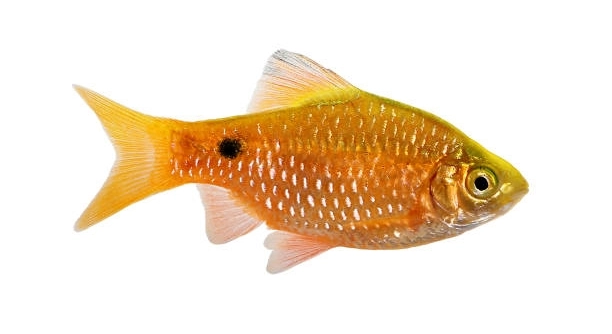
Rosy Barbs are colorful, lively fish that many enjoy keeping in home aquariums. They thrive best in stable water conditions. Sudden drops in temperature can cause stress and health problems for these delicate fish.
Temperature drops affect Rosy Barbs by disrupting their metabolism and immune system, making them vulnerable to illness and reducing their overall activity. Maintaining consistent warmth is essential to prevent these negative effects and promote their well-being.
Understanding how temperature changes impact Rosy Barbs can help you create a safer environment for them to flourish in your aquarium.
Common Causes of Temperature Drops in Aquariums
Temperature drops in aquariums happen for several reasons. One of the most frequent causes is a sudden change in room temperature, especially during colder months. If the heater malfunctions or is too small for the tank, it won’t keep the water warm enough. Opening the tank lid often or placing the tank near a drafty window can also lower the water temperature quickly. Even frequent water changes with cooler water can bring the temperature down if the replacement water is not properly warmed. Each of these factors can lead to stressful conditions for Rosy Barbs. These fish are sensitive to temperature fluctuations and need steady warmth to stay healthy. Monitoring the tank’s environment regularly helps prevent sharp drops and keeps your fish comfortable and active.
Temperature control is a key part of proper aquarium care, especially for sensitive species like Rosy Barbs.
Managing these causes requires careful observation and the right equipment. Using a reliable aquarium heater that matches the tank size is essential. Make sure it has a thermostat to maintain a consistent temperature. Avoid placing the tank near windows or doors that let in cold air. When changing water, always prepare new water at the tank’s current temperature to avoid shocking your fish. Installing a thermometer inside the tank will help you keep track of the temperature at all times. Simple habits, like closing the lid and limiting how often you open the tank, reduce heat loss. Taking these steps can prevent temperature drops and keep your Rosy Barbs safe and stress-free.
Signs of Stress in Rosy Barbs Due to Cold
Rosy Barbs show clear signs when they feel cold stress. They may swim less actively, hide more often, or gasp near the surface. Their colors can fade, and they might lose appetite.
Stress weakens their immune system, making them prone to infections and disease.
If you notice these signs, check the tank temperature right away. Adjusting the heater or moving the tank away from cold spots can help your fish recover. It’s best to act quickly because prolonged exposure to low temperatures can cause lasting harm. Maintaining a stable temperature supports their natural behavior and vibrant appearance. Proper care and attention make a big difference in keeping your Rosy Barbs happy and healthy.
How to Prevent Temperature Drops
Preventing temperature drops starts with stable equipment and proper tank placement. Use a good-quality heater and thermometer to monitor conditions closely. Avoid drafts and sudden environmental changes around the tank.
A reliable heater with an adjustable thermostat helps maintain a steady temperature. Choose a heater rated for your tank size to avoid underheating. Position your aquarium away from windows, doors, or air vents that cause temperature swings. Closing the tank lid reduces heat loss. When doing water changes, prepare new water to match the tank temperature. These simple steps help protect your Rosy Barbs from sudden cold stress.
Regularly checking the heater and thermometer keeps problems from going unnoticed. Setting an alarm or reminder to monitor the tank temperature daily helps catch any drops early. Using an insulated aquarium cover during colder seasons can add extra protection. If your heater breaks down, having a backup or spare on hand prevents long periods of cold water. Being proactive with these measures ensures a safe and comfortable environment for your fish.
Effects of Temperature Drops on Rosy Barb Behavior
Cold temperatures slow down Rosy Barbs, reducing their activity and energy. They become less playful and may hide more often, which shows they feel uncomfortable.
Lower temperatures affect their metabolism, meaning they eat less and digest food slower. This can cause weight loss and weaken their immune response. Swimming becomes sluggish, and their color dulls, making them look less vibrant. Prolonged cold stress may lead to serious health problems like infections or swim bladder issues. Watching their behavior closely lets you spot early signs of trouble. Immediate temperature correction helps them return to normal activity levels and regain their natural colors. Keeping their environment stable supports their overall well-being and helps them thrive in your aquarium.
Common Temperature Drops in Homes
Temperature drops often happen at night when room temperatures fall. Another common cause is cold drafts from windows or doors near the aquarium.
These sudden changes can shock Rosy Barbs, making them vulnerable to stress and illness.
Using Heaters Effectively
Choose a heater that fits your tank size and has an adjustable thermostat. Set it to keep water between 74°F and 79°F, the ideal range for Rosy Barbs. Regularly check the heater’s function and replace it if it fails to maintain stable warmth.
Water Changes and Temperature
Always prepare replacement water at the tank’s current temperature. Adding cold water during changes causes sudden drops that stress the fish. Use a thermometer to match temperatures before adding water.
Avoiding Drafts
Place the aquarium away from windows, doors, and vents that bring cold air. This helps maintain a steady temperature and keeps Rosy Barbs comfortable.
FAQ
How cold is too cold for Rosy Barbs?
Rosy Barbs prefer water temperatures between 74°F and 79°F. Temperatures below 70°F start to stress them, causing slower movement and weaker immune systems. Prolonged exposure to temperatures below 68°F can be harmful and may lead to illness or death. It’s important to keep the tank within their ideal range to avoid these risks.
What are the signs that my Rosy Barbs are stressed from cold?
Common signs include reduced activity, hiding, faded colors, and loss of appetite. They may also gasp at the water surface or swim awkwardly. Stress from cold lowers their immune response, making them more likely to get infections. Observing behavior changes early helps prevent serious problems.
Can a sudden temperature drop kill my Rosy Barbs?
Yes, a rapid drop in temperature can shock Rosy Barbs and cause death, especially if they are already weak or sick. Sudden cold stresses their system and can cause organ failure. Preventing quick temperature changes is crucial for their survival.
How quickly should I raise the temperature if it drops?
Raise the temperature gradually over several hours, about 1°F per hour. Sudden heating can shock the fish just like sudden cooling. Using an adjustable heater and monitoring the temperature closely will help bring the tank back to a safe level safely.
Is it okay to use a space heater in the room to keep the tank warm?
Using a space heater can help keep the room warm, which supports tank temperature. However, it should not be the only heat source. Aquariums need a dedicated heater for stable water temperature. Room heaters help but don’t control water temperature directly.
How often should I check the aquarium temperature?
Daily checks are best to catch any changes early. Morning is a good time to monitor since room temperature can drop overnight. Using a digital thermometer with an alarm feature can make this easier. Regular checks prevent unnoticed temperature drops.
What should I do if my heater stops working suddenly?
Have a backup heater ready for emergencies. If your heater fails, quickly replace it or move the fish to a temporary tank with proper heating. Acting fast can save your Rosy Barbs from cold stress and illness.
Can temperature drops affect Rosy Barbs’ breeding?
Yes, temperature drops can stop breeding behavior. Rosy Barbs breed best in stable, warm water. Cold water slows their metabolism and lowers reproductive hormones. Keeping the temperature consistent helps encourage successful breeding.
Are there signs of illness caused by cold stress?
Cold stress can lead to fungal infections, fin rot, and swim bladder issues. Look for white spots, ragged fins, or difficulty swimming. These signs require prompt treatment along with fixing the temperature problem.
Can Rosy Barbs adapt to cooler water over time?
They can tolerate slight drops for short periods but are not built to live in cold water long term. Continuous exposure to cooler temperatures weakens them. Keeping them within their natural temperature range is best for their health.
What’s the best way to warm up water for water changes?
Use a separate container to warm new water slowly. You can place it near a heater or use warm tap water mixed with cool water to match the tank’s temperature. Always test with a thermometer before adding water to avoid shocking your fish.
How do I know if my heater is working properly?
Regularly test the water temperature with a thermometer different from your heater’s built-in sensor. If temperatures fluctuate widely, the heater may be faulty. Replace any heater that can’t keep the tank stable.
Can too high a temperature cause stress too?
Yes, temperatures above 80°F can also stress Rosy Barbs, causing rapid breathing and lethargy. Maintaining the correct temperature range is about balance, avoiding both cold and heat stress.
Should I avoid opening the tank lid during cold weather?
Yes, keeping the lid closed reduces heat loss and prevents sudden temperature drops. Only open the lid when necessary and keep openings brief. This helps maintain a stable environment for your fish.
How does water volume affect temperature stability?
Larger tanks hold temperature better and resist quick changes. Smaller tanks heat and cool rapidly, so they need more careful monitoring. If you have a small tank, extra attention to heating and insulation is important.
Can plants or decorations affect water temperature?
Plants and decorations don’t change temperature directly but can affect water circulation. Poor circulation may create cold spots in the tank. Make sure your filter and heater are placed to keep water evenly warm.
Keeping Rosy Barbs healthy means paying close attention to the water temperature in their tank. These fish are sensitive to sudden drops in temperature, which can cause stress and make them sick. Maintaining a steady temperature between 74°F and 79°F is very important. Using a reliable heater and thermometer helps keep conditions stable. Small changes in the environment, like drafts or cold water during water changes, can cause big problems. Taking simple steps to prevent temperature drops protects the fish and helps them live longer.
If temperature drops do happen, acting quickly is the best way to reduce harm. Raising the water temperature slowly, about 1°F per hour, avoids shocking the fish. Watching for signs of stress, like hiding, faded colors, or less swimming, lets you know when your Rosy Barbs are struggling. If you catch these early, you can fix the temperature and help the fish recover. It’s also important to check your equipment often. Heaters can break down, so having a backup or spare is a smart idea. Regular monitoring prevents surprises and keeps your aquarium safe.
Overall, caring for Rosy Barbs means understanding their needs and environment. Consistency is key to keeping them healthy and active. Stable water temperature supports their metabolism, immune system, and natural behavior. By paying attention to temperature control and making adjustments when needed, you create a better home for your fish. With good care, your Rosy Barbs will show their bright colors and lively spirit for a long time. Small efforts in maintaining warmth make a big difference in their well-being.

Hello,
If you enjoy the content that we create, please consider saying a "Thank You!" by leaving a tip.
Every little bit helps us continue crafting quality advice that supports the health, happiness, and well-being of pets around the world, for pets of all shapes, sizes, and species.
We really appreciate the kindness and support that you show us!