
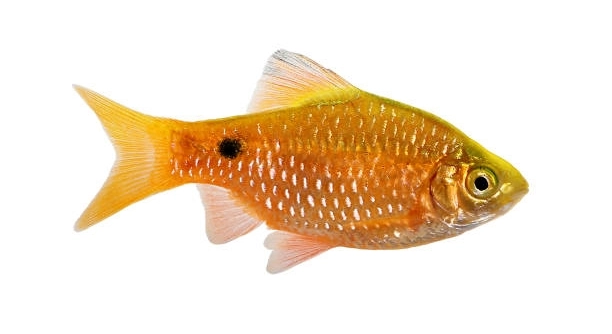
Rosy barbs are colorful, lively fish that brighten any aquarium. Many fishkeepers want to keep them healthy and happy. Simple upgrades to their environment can make a big difference in how they behave and thrive.
Seven easy changes can improve water quality, diet, and tank setup, which instantly catch the attention of rosy barbs. These upgrades help reduce stress, encourage natural behaviors, and support their vibrant colors.
These small improvements can create a better home for your rosy barbs and enhance their overall well-being in your aquarium.
Improve Water Quality with Regular Changes
Keeping the water clean is one of the most important things you can do for rosy barbs. They are sensitive to toxins like ammonia and nitrites, which build up in tanks over time. Regular water changes help remove these harmful substances and keep the water fresh. Aim to change about 20-30% of the water every week. Using a water conditioner is also important to remove chlorine and chloramines from tap water, which can harm fish. Clean water supports healthy gill function and reduces stress. When water quality is good, rosy barbs show more activity and brighter colors. Testing your water regularly with simple kits can help track levels of ammonia, nitrites, nitrates, and pH to maintain a stable environment. Consistency is key for long-term health.
Frequent water changes prevent the buildup of toxins that make rosy barbs sick. Clean water boosts their natural behavior and color vibrancy.
Keeping up with water maintenance is simple and rewarding. A clean tank encourages rosy barbs to swim confidently and interact more. Over time, you’ll notice their colors deepen and their movements become livelier, showing that they feel safe and comfortable. It also lowers the risk of disease, meaning fewer interruptions to their routine. For the best results, match the temperature and pH of the new water to the tank’s conditions. This avoids shocking the fish during changes. Using a gravel vacuum can help remove debris from the substrate, improving water clarity and quality. Together, these steps create a healthier space where rosy barbs can thrive and display their full beauty.
Add Plants for Shelter and Comfort
Adding live plants helps create a natural environment for rosy barbs. Plants provide hiding spots and reduce stress.
Plants not only improve water quality by absorbing nitrates but also offer shade and resting places for fish. Rosy barbs enjoy swimming among leaves and stems, which gives them a sense of security. A mix of fast-growing plants like hornwort or floating plants can help maintain good oxygen levels and keep the tank balanced. Plants also encourage natural behaviors like foraging. Choosing hardy species that tolerate similar water conditions makes care easier. Live plants support a healthy ecosystem that benefits all tank inhabitants. Over time, the plants will grow and fill the tank with natural beauty, complementing the rosy barbs’ colors. This upgrade is simple yet makes a visible difference in how comfortable the fish feel and how much they display their personality.
Provide a Balanced Diet
A balanced diet keeps rosy barbs healthy and colorful. Feeding them a variety of foods supports their energy and growth.
Including high-quality flakes or pellets as a staple ensures essential nutrients. Supplementing with live or frozen foods like bloodworms, brine shrimp, or daphnia adds protein and encourages natural hunting behavior. Vegetables such as blanched spinach or peas provide fiber and vitamins. Avoid overfeeding to prevent water pollution and health problems. Feeding small amounts twice a day helps maintain good water quality and keeps fish eager at feeding time. A varied diet supports vibrant colors and active swimming.
Consistent, balanced feeding improves immune system function and reduces stress. It also promotes longevity and brighter hues in rosy barbs. By paying attention to their diet, you create a healthier environment where they can thrive. Offering occasional treats like live food mimics natural conditions and stimulates interest. Watching them chase live food is rewarding and boosts their natural instincts. This simple upgrade in nutrition shows clear results in their appearance and behavior over time.
Choose the Right Tank Size
A roomy tank prevents overcrowding and keeps rosy barbs comfortable. Proper space allows them to swim freely and stay healthy.
Rosy barbs are active fish that grow up to 3 inches. A tank of at least 20 gallons is ideal for a small group of 5 to 6 fish. More space reduces aggression and stress, as these fish are social but can be territorial. Providing a longer tank rather than a tall one gives them more horizontal swimming room, which suits their natural behavior. A larger tank also helps keep water parameters more stable. Overcrowding leads to poor water quality and weak immune systems, so proper tank size is an easy way to improve their well-being and happiness.
Maintain Stable Temperature
Rosy barbs prefer water temperatures between 64°F and 72°F. Keeping the temperature steady reduces stress and illness.
Using a reliable heater with a thermostat helps maintain this range. Sudden changes can weaken their immune system and cause hiding or lethargy.
Add Gentle Filtration
A gentle filter keeps water clean without creating strong currents. Rosy barbs prefer calm waters.
Filters that provide biological and mechanical filtration work best. Sponge filters or adjustable flow filters are ideal, preventing stress and keeping the tank environment balanced.
Use a Proper Lighting Schedule
Lighting helps regulate rosy barbs’ daily rhythms. Aim for 8-10 hours of light daily to mimic natural conditions.
Too much light may encourage algae growth and stress fish, while too little affects their color and activity. A timer helps maintain consistency.
Include Hiding Spots
Hiding places help rosy barbs feel secure. Adding caves, rocks, or dense plants provides shelter from stress and aggression.
FAQ
How often should I feed my rosy barbs?
Feeding twice a day with small portions is best. Overfeeding can pollute the tank and harm their health. Stick to amounts they can finish in 2-3 minutes to keep the water clean and your fish healthy.
Can rosy barbs live with other fish?
Yes, they are generally peaceful but may nip fins. Choose tank mates that are similar in size and temperament. Avoid slow or long-finned fish, as rosy barbs might stress or harm them.
What water parameters do rosy barbs prefer?
They thrive in water with a pH between 6.5 and 7.5, and hardness of 5-12 dGH. Temperatures between 64°F and 72°F suit them best. Keeping these stable helps prevent stress and disease.
How large should the tank be for rosy barbs?
A 20-gallon tank or larger is ideal for a small group. They need space to swim actively and maintain social behavior. More space reduces aggression and helps water quality stay stable.
Why do my rosy barbs lose color?
Loss of color can be due to poor water quality, stress, or inadequate diet. Make sure to keep the water clean, provide a balanced diet, and maintain stable conditions to bring their vibrant colors back.
How can I tell if my rosy barbs are healthy?
Healthy rosy barbs swim actively, have bright colors, and eat regularly. Look for clear eyes and smooth scales. Avoid signs like lethargy, loss of appetite, or visible spots, which may indicate illness.
Do rosy barbs need live plants?
Live plants are beneficial but not mandatory. They improve water quality and provide hiding spots, which reduces stress. Hardy plants like hornwort or java fern are great additions.
What type of filter is best for rosy barbs?
A gentle filter that provides biological and mechanical filtration is best. Sponge filters or filters with adjustable flow help maintain calm water, which suits their natural preference.
How often should I change the water?
Changing 20-30% of the water weekly is recommended. This helps remove toxins and keeps the environment stable. Always treat tap water with a conditioner before adding it to the tank.
Can rosy barbs tolerate different temperatures?
They prefer cooler temperatures but can tolerate slight variations between 64°F and 72°F. Sudden changes or extremes outside this range can stress or harm them. Use a heater and thermometer to monitor consistently.
What should I do if my rosy barbs show aggression?
Aggression often comes from overcrowding or lack of hiding spots. Ensure proper tank size, add plants or decorations for shelter, and keep the group size balanced. Sometimes rearranging tank decor helps reset territorial boundaries.
Are rosy barbs prone to diseases?
Like most fish, they can catch common illnesses if stressed or kept in poor conditions. Regular water changes, balanced feeding, and stable parameters reduce risks. Quarantining new fish before adding them also helps prevent disease spread.
How can I encourage rosy barbs to breed?
Breeding requires good water quality, slightly warmer temperatures (around 75°F), and plenty of plants for egg laying. Feed high-protein foods to condition them. Separate the fry after hatching to protect them from adults.
Is it okay to keep rosy barbs alone?
Rosy barbs are schooling fish and do best in groups of at least five. Keeping them alone can cause stress and abnormal behavior. A group helps them feel secure and encourages natural activity.
What should I do if my rosy barbs hide a lot?
Excessive hiding can mean stress or poor water conditions. Check water parameters, reduce sudden changes, and ensure there are enough hiding spots. If problems persist, watch for signs of illness.
Final thoughts on caring for rosy barbs focus on creating a healthy, stable environment that meets their basic needs. These fish thrive when water quality is well maintained, their diet is balanced, and their tank setup allows natural behaviors. Small upgrades, such as regular water changes, live plants, and proper tank size, make a noticeable difference in their well-being. It is important to keep the water clean and stable, as rosy barbs are sensitive to poor water conditions. Using a reliable filter and changing 20-30% of the water weekly can prevent toxins from building up and keep the fish healthy.
Feeding rosy barbs a varied diet supports their energy, growth, and vibrant colors. High-quality flakes or pellets should be the main food, but occasional live or frozen treats like bloodworms or brine shrimp also help stimulate their natural hunting instincts. Overfeeding should be avoided because leftover food can pollute the water and lead to health issues. Feeding small amounts twice a day works best. Watching rosy barbs actively chase live food is a sign of good health and natural behavior, and it can make caring for them more rewarding.
Finally, tank setup plays a big role in how comfortable and active rosy barbs feel. Providing plenty of swimming space, gentle filtration, stable temperature, and places to hide reduces stress and aggression. Live plants improve water quality and offer shelter, helping fish feel secure. Lighting should mimic natural day and night cycles to support their daily rhythms. Overall, small, thoughtful upgrades in care add up to a better home where rosy barbs can show their full colors and natural behaviors. Taking these steps ensures the fish remain lively and healthy over time.

Hello,
If you enjoy the content that we create, please consider saying a "Thank You!" by leaving a tip.
Every little bit helps us continue crafting quality advice that supports the health, happiness, and well-being of pets around the world, for pets of all shapes, sizes, and species.
We really appreciate the kindness and support that you show us!