
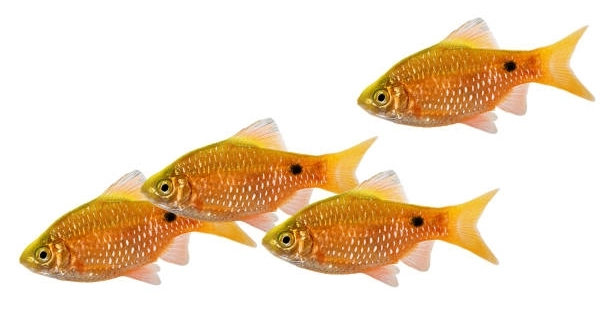
Have you ever noticed your rosy barbs flashing their shimmering sides and found yourself wondering what it really means? These colorful movements may seem simple, but there’s more happening beneath the surface than you might expect.
Rosy barbs flash their sides primarily as a form of communication. This behavior is often linked to courtship, social dominance, or territorial displays. The flashes help convey messages to other fish in their group or nearby environment.
While the bright flashes are beautiful to watch, they serve an important purpose in how rosy barbs interact and behave in their tank.
Why Rosy Barbs Flash Their Sides
Rosy barbs often flash their sides as a way to communicate. This display can happen during mating rituals, as a signal to attract potential partners. Males tend to show brighter and more frequent flashes when trying to court females. In other situations, flashing may occur between males as a sign of competition or to establish social ranking. It’s also seen during territorial behavior, especially when one fish is trying to assert dominance or protect a space in the tank. These flashes aren’t random—they’re tied closely to the fish’s instincts and social interactions. Light, tank environment, and even stress can influence the frequency of these displays. A change in their flashing pattern can sometimes signal a shift in behavior or tank conditions. Owners often notice that during feeding time or when the tank light changes, the flashing becomes more visible. This behavior helps rosy barbs stay connected within their group.
These displays are most often seen in healthy, active fish living in well-maintained tanks with consistent lighting and balanced social groups.
It’s important to observe when and how often the flashing occurs. Recognizing patterns can help you better understand your rosy barbs’ behavior and adjust tank conditions if needed.
Environmental Factors That Affect Flashing
Tank lighting plays a big role in how and when rosy barbs flash. They respond to brightness and light direction.
Flashing behavior becomes more noticeable when the tank lighting mimics a natural day and night cycle. Too much light can increase stress, while too little may dull their natural colors and reduce flashing. Use a consistent lighting schedule with around 10–12 hours of light per day. Positioning the light at the top of the tank, as it would be in nature, helps create a familiar rhythm for the fish. Tank decorations also matter. Plants and rocks offer hiding spaces, lowering stress and promoting more natural behavior. If the fish feel safe, they’re more likely to display these flashes during social interactions. Overcrowding the tank can lead to aggression and excessive flashing caused by tension, not communication. Water quality also plays a role. Ammonia spikes or sudden temperature changes can reduce flashing or make the fish more aggressive. Maintaining a clean, stable environment supports healthy behavior and regular flashing.
Social Dynamics and Flashing Behavior
Flashing helps rosy barbs navigate social interactions. It’s often used to show dominance, challenge rivals, or display confidence during group movement or feeding.
In groups, dominant males usually flash more often and more brightly. This signals strength and helps them maintain their place in the hierarchy. Submissive males may flash less or avoid confrontation altogether. Females also use flashing, though less intensely, often in response to males or during courtship. A well-structured group with enough space can reduce stress and support healthy interactions. If the group size is too small or unbalanced—like too many males and not enough females—flashing may increase due to competition. Watch for changes in patterns; sudden, aggressive flashing might signal stress or a need to adjust the tank setup. Providing a balanced mix of fish, enough space, and hiding areas can help reduce tension and encourage healthy flashing behavior in your rosy barbs.
Rosy barbs do best in groups of at least five to six, which helps spread out aggression and lowers stress. In smaller groups, one fish may get singled out or chased too often. This can lead to constant flashing and hiding. A larger, balanced group creates more stable behavior.
Health-Related Flashing Causes
Flashing isn’t always social. Sometimes it signals irritation or illness, especially if it looks frantic or includes rubbing against objects.
If you notice repeated flashing with other symptoms like clamped fins, faded color, or loss of appetite, it could be a sign of poor water quality or parasites. Gill flukes, ich, or skin irritations may cause discomfort, prompting your fish to flash or scrape themselves. It’s important to test your water for ammonia, nitrites, and pH imbalances regularly. Also, observe if only one fish is flashing or if it’s happening across the group. Quarantining new fish before adding them to the main tank helps prevent infections. When flashing seems abnormal or happens too frequently, checking for stress or health concerns early can help you respond quickly and avoid further problems in the tank. Healthy fish may flash sometimes, but it should never look frantic or constant.
Stress and Its Influence on Flashing
Stress can increase flashing, especially when the fish feel unsafe or overwhelmed. Loud noises, sudden movements, or frequent changes in their environment may trigger this behavior more often than usual. A calm, stable space helps reduce these responses.
Poor tank conditions, like dirty water or overcrowding, are also common stress triggers. Rosy barbs may react by flashing more or becoming aggressive. Keep the tank clean, monitor water levels, and avoid adding too many fish at once. Watching their behavior can help you spot early signs of stress before it leads to health problems.
Breeding Season and Increased Displays
During breeding periods, flashing becomes more frequent and intense, especially in males. They show off their sides to impress females and ward off other males. This flashing is brighter and more persistent than usual. Alongside this, you might notice chasing, circling, or nudging behavior. The tank’s temperature and lighting can affect breeding readiness, so changes in those conditions might also spark more displays. If you plan to breed your rosy barbs, providing proper conditions like soft plants and stable lighting will help them feel comfortable. A separate breeding tank can reduce stress on other fish and encourage healthy interactions during mating.
When to Be Concerned
If flashing becomes constant or includes signs like rubbing, hiding, or gasping at the surface, it may point to illness or irritation.
Why do rosy barbs flash more at certain times of the day?
Rosy barbs tend to flash more during periods when the tank lighting is at its brightest or changing, such as in the morning or early evening. This is often because their natural behavior is tied to light cycles, which influence their activity levels. During these times, they may be more active socially, feeding, or interacting with other fish, causing more frequent flashing. Also, flashes can be a way to communicate during group movement or when establishing territories. Keeping a consistent light schedule can help manage these behaviors and prevent sudden spikes in flashing caused by unexpected lighting changes.
Can flashing indicate aggression among rosy barbs?
Yes, flashing can be a sign of aggression or dominance, especially among males. When males compete for space or mates, they use flashing to intimidate rivals or show strength. This behavior helps reduce physical fights by serving as a warning. However, if the tank is overcrowded or lacks hiding spots, flashing may escalate into constant aggression, which stresses the fish. Ensuring the tank is large enough and providing plenty of plants or decorations to break lines of sight can reduce aggressive flashing and create a more peaceful environment.
Is flashing a reliable indicator of health in rosy barbs?
Flashing can sometimes indicate health issues but is not always reliable on its own. If flashing comes with other symptoms such as lethargy, clamped fins, or visible spots, it could signal parasites or irritation. Stress from poor water quality can also cause abnormal flashing. It’s best to monitor flashing along with overall fish behavior and tank conditions. Regular water testing, cleaning, and observation will help you catch health problems early. If flashing seems frantic or persistent, it may be time to check for infections or stress triggers.
How does flashing differ between males and females?
Males typically flash their sides more brightly and frequently than females, especially during breeding season. This is a display to attract females and compete with other males. Females flash less and usually respond to males’ displays with less intensity. Outside of breeding, flashing between females is rare and usually more subtle. Knowing this difference can help you understand social dynamics in your tank and better manage your group to reduce stress and competition.
Can flashing be reduced or controlled?
You can reduce excessive flashing by improving tank conditions. Provide enough space, keep water clean, and maintain a stable environment with consistent lighting. Adding plants and decorations offers hiding spots and breaks up line-of-sight, which lowers aggression. Avoid overcrowding, and keep a balanced ratio of males to females to prevent competition. If flashing is due to stress or illness, fixing water quality issues and quarantining sick fish will help. Patience is important, as changes in behavior might take time once conditions improve.
Does flashing serve any other purposes besides communication and aggression?
Besides communication, flashing may help rosy barbs recognize each other and maintain group cohesion. It can signal readiness to move or feed and reinforce social bonds within the school. In some cases, flashing might also confuse predators by reflecting light unpredictably. While these purposes are less obvious, flashing is an important part of how rosy barbs interact with their environment and each other.
What should I do if my rosy barbs flash excessively at night?
Flashing at night usually means something is wrong. Rosy barbs are less active in the dark and rarely display such behavior then. Excessive flashing at night might indicate stress from tank disturbances, such as sudden noises or light leaks. It could also be a sign of illness. Check that the tank is in a quiet, dark place with no interruptions after lights out. Review water quality and observe fish for other symptoms. Addressing these issues will help restore normal behavior and reduce nighttime flashing.
Can flashing be a sign of breeding readiness?
Yes, flashing often increases as rosy barbs prepare to breed. Males intensify their displays to attract females and compete with other males. You might notice additional behaviors like chasing and nudging. Adjusting tank conditions—such as raising the temperature slightly and providing fine-leaved plants—can encourage spawning. If breeding is not your goal, be mindful that this period may lead to increased flashing and activity, which can be mistaken for stress or aggression.
Is it normal for rosy barbs to flash right after being introduced to a new tank?
It’s common for newly introduced rosy barbs to flash more frequently as they adjust to their new environment. This behavior helps them establish territory and social order. However, if flashing becomes constant or aggressive, it could mean they are stressed or overcrowded. Providing plenty of hiding spaces and maintaining good water quality during this period helps them settle in. Monitor them closely to ensure the behavior calms down after a few days. If not, further adjustments to tank conditions might be needed.
How does tank size affect flashing behavior?
Smaller tanks can increase flashing due to limited space and higher stress. Rosy barbs need room to swim freely and establish social groups. In cramped conditions, flashing may turn into aggressive displays more often. A tank of at least 30 gallons is recommended for a small group, with more space needed for larger groups. Adequate space reduces competition and allows natural flashing for communication without excessive aggression or stress. Proper tank size helps maintain a balanced, peaceful environment where flashing serves its natural role.
Understanding why rosy barbs flash their sides can help you better care for these lively fish. Flashing is a natural behavior that serves many purposes, from communication and social interaction to showing readiness for breeding. It is part of how rosy barbs express themselves and connect with others in their group. Watching these flashes can give you clues about what your fish are feeling and how they relate to their environment. This knowledge helps create a more balanced tank where your rosy barbs can thrive.
Flashing can also be a sign of issues when it becomes excessive or frantic. Changes in flashing patterns might indicate stress, overcrowding, or health problems. Keeping the tank clean and well-maintained, providing enough space, and maintaining stable water conditions are important to prevent these problems. If you see constant flashing combined with other worrying symptoms like fading color, hiding, or rubbing, it’s a good idea to test the water and check your fish closely. Early attention can help you fix problems before they become serious.
In the end, paying attention to your rosy barbs’ flashing behavior can make your aquarium experience more rewarding. It allows you to notice when the fish are happy and active or when something needs to change. Small adjustments to lighting, tank setup, or social grouping can have a big impact on how often and why your fish flash. A healthy tank with happy fish will show natural flashing that adds beauty and interest to your aquarium. Watching your rosy barbs shine is a great way to enjoy their unique personalities and keep them healthy over time.

Hello,
If you enjoy the content that we create, please consider saying a "Thank You!" by leaving a tip.
Every little bit helps us continue crafting quality advice that supports the health, happiness, and well-being of pets around the world, for pets of all shapes, sizes, and species.
We really appreciate the kindness and support that you show us!