
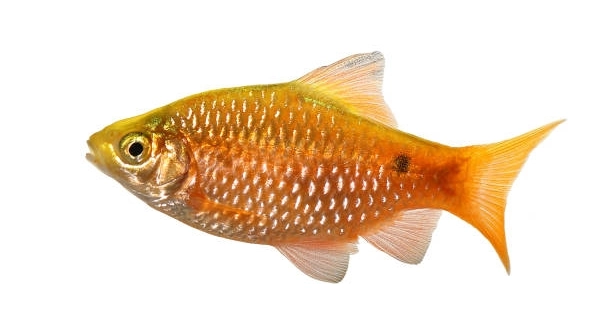
Rosy barbs are colorful freshwater fish popular in home aquariums. Their behavior often attracts attention, especially when it comes to their daily activity patterns. Observing how they respond to changes in light can reveal interesting facts about them.
Rosy barbs can detect nighttime primarily through changes in light intensity and duration. Their internal biological clock, or circadian rhythm, helps regulate activity patterns based on light and darkness cycles, allowing them to adjust behavior accordingly.
Understanding how rosy barbs sense day and night helps aquarium owners create a healthy environment. This knowledge can improve care practices and promote natural fish behavior in captivity.
How Rosy Barbs React to Light Changes
Rosy barbs rely heavily on light cues to know when it’s day or night. Their eyes are sensitive to changes in brightness, which helps them detect when the environment shifts from light to dark. During the day, they tend to be more active, swimming and exploring their surroundings. As the light fades, their activity slows down, signaling that nighttime is approaching. This pattern helps them conserve energy and avoid potential threats. In aquariums, artificial lighting plays a key role in mimicking this natural cycle. Consistent light and dark periods support the fish’s health and natural rhythms. Sudden or irregular lighting can confuse them, leading to stress or irregular behavior. Observing these changes can also help owners understand if their fish are adjusting well or if the environment needs improvement.
Proper lighting schedules are essential for maintaining rosy barbs’ well-being and natural behavior.
Light acts as a biological timer for these fish, helping maintain their internal clock.
The Role of Circadian Rhythms in Rosy Barbs
Circadian rhythms are internal processes that repeat roughly every 24 hours, guiding many animals’ daily activities. In rosy barbs, these rhythms coordinate sleep and activity cycles in response to light cues. The fish’s brain contains cells that respond to light intensity, adjusting hormone levels to signal when it’s time to rest or be active. When exposed to a steady light-dark schedule, their circadian rhythm becomes more predictable, supporting regular feeding, swimming, and resting patterns. Disruptions to this cycle, such as inconsistent lighting or sudden changes in the environment, can interfere with their natural behaviors and stress levels. Maintaining a stable environment helps support these rhythms, improving overall health. Understanding the connection between light, behavior, and circadian rhythms allows aquarium owners to better care for their rosy barbs, ensuring they thrive and display natural behaviors regularly.
Nighttime Behavior of Rosy Barbs
At night, rosy barbs become less active and often rest near the bottom or in hiding spots within the tank. Their movement slows as they conserve energy and avoid potential predators in the wild. This behavior is normal and part of their daily rhythm.
During nighttime hours, rosy barbs reduce their swimming and feeding activities. They tend to find sheltered areas within the aquarium to rest quietly. This resting phase helps them recover energy for the next day. Tank lighting that simulates natural dusk and dawn transitions can encourage healthier nighttime behaviors by gently signaling the change in time.
Stress or improper lighting can disrupt these patterns, causing the fish to remain restless or hide excessively. Maintaining consistent light cycles and a calm environment supports their natural nighttime habits and reduces stress, promoting overall well-being.
How to Support Healthy Night Cycles
Maintaining a regular light-dark schedule is crucial for rosy barbs’ health. This consistency helps their internal clocks function properly.
Use timers to provide about 10-12 hours of light followed by darkness daily. Gradually dimming the lights simulates sunset, allowing the fish to adjust calmly. Avoid sudden or prolonged light exposure at night, which can disrupt sleep patterns and cause stress. Creating dark, quiet areas in the tank offers a safe space for resting. Proper nighttime conditions help maintain natural behaviors, improve immune response, and support growth. Regular cycles also reduce aggressive or erratic behavior linked to stress. Consistent lighting is one of the easiest ways to promote a healthy environment for rosy barbs.
Signs Rosy Barbs Show at Night
Rosy barbs display clear signs when nighttime begins. They slow their movements and seek shelter in plants or decorations. This shift helps them stay safe and conserve energy until daylight returns.
These behaviors are natural and indicate the fish’s internal clock is working properly. Watching for these signs can help gauge if the environment suits their needs.
Impact of Light Pollution on Rosy Barbs
Light pollution from excessive aquarium lighting or nearby external lights can confuse rosy barbs. Continuous or bright light exposure disrupts their circadian rhythm, causing stress and irregular activity. It can make them restless, reduce feeding efficiency, and weaken their immune system. Controlling light intensity and timing prevents these issues, promoting stable behavior and health.
Adjusting Tank Lighting
Adjusting the tank lighting to mimic natural cycles benefits rosy barbs. Use dimmers or timers to create smooth transitions between light and dark. This helps fish adapt without stress and supports their natural rhythms.
FAQ
Can rosy barbs see well at night?
Rosy barbs have decent vision in low light but do not see as clearly at night as during the day. Their eyes are adapted to detect changes in light intensity rather than fine details in darkness. This helps them sense when night falls and adjust their behavior accordingly.
Do rosy barbs sleep like humans?
Fish don’t sleep like humans but enter a restful state. Rosy barbs reduce movement and become less responsive, conserving energy while staying alert to danger. This state helps them rest without fully losing awareness.
How long should the lights be on for rosy barbs?
A good rule is 10 to 12 hours of light daily to mimic natural daylight. This supports their circadian rhythm and keeps behavior regular. Too much light can stress them, while too little may reduce activity and appetite.
What happens if rosy barbs don’t get enough darkness?
Lack of darkness can confuse their internal clocks, causing stress and irregular behavior. They might swim erratically or hide excessively. Over time, this can weaken their immune system and affect overall health.
Can artificial lighting replace natural sunlight?
Yes, aquarium lighting can effectively simulate sunlight if it’s full-spectrum and properly timed. Using timers to control light cycles creates a stable environment that supports rosy barbs’ natural rhythms and wellbeing.
Do rosy barbs react to sudden light changes at night?
Sudden light can startle rosy barbs, causing stress or frantic swimming. Gradual dimming of lights at dusk is better, allowing the fish to adjust calmly and follow their natural nighttime routine.
Is it necessary to turn off the aquarium lights at night?
Yes, turning off the lights at night is important. Darkness signals the start of their resting period. Continuous lighting disrupts sleep patterns and can lead to health problems over time.
How do I create hiding spots for rosy barbs?
Use plants, rocks, or aquarium decorations to provide shelter. These hiding spots give rosy barbs a safe place to rest and feel secure during the night. Natural cover mimics their wild environment and reduces stress.
Will rosy barbs be active during the night if the tank is too bright?
If the tank is too bright at night, rosy barbs may stay active longer than normal. This disrupts their rest cycle and can cause exhaustion or stress. Adjusting lighting to mimic natural night helps regulate their activity.
Can changing the light schedule suddenly harm rosy barbs?
Sudden changes in light schedule can confuse and stress rosy barbs. It’s best to adjust lighting gradually over several days. This helps their internal clocks reset without causing harm or erratic behavior.
Are rosy barbs more active at dawn or dusk?
Rosy barbs tend to be more active around dawn and dusk, responding to changing light levels. These transition periods encourage feeding and movement as they prepare for day or night.
Do rosy barbs need complete darkness at night?
Complete darkness is ideal but low, dim light may be acceptable occasionally. However, consistent darkness helps maintain their natural circadian rhythm and promotes proper rest.
How can I tell if my rosy barbs are stressed by lighting?
Signs of stress include erratic swimming, hiding excessively, loss of appetite, or color fading. If you notice these, review the tank’s lighting schedule and intensity to ensure it matches their natural needs.
Can seasonal changes affect rosy barbs’ behavior?
Yes, changes in day length or temperature may affect their activity and feeding. Simulating seasonal light variations in the tank can help maintain natural behaviors throughout the year.
Is it okay to use night lights in the aquarium?
Night lights are generally not recommended unless very dim and only for short periods. They can disrupt the fish’s resting phase and interfere with normal nighttime behavior.
How important is a consistent feeding schedule with light cycles?
Feeding at consistent times, aligned with light cycles, supports rosy barbs’ internal clocks and digestion. Irregular feeding combined with inconsistent lighting can cause stress and health issues.
Do rosy barbs communicate differently at night?
At night, rosy barbs are quieter and less active, so communication decreases. During the day, they interact more through swimming patterns and displays. Nighttime behavior focuses on rest and energy conservation.
Can I use a moonlight LED for nighttime?
Moonlight LEDs can provide very dim, blue-toned light that won’t heavily disrupt natural rhythms. They may be used to observe fish gently at night but should be kept low and used sparingly.
What other factors influence rosy barbs’ night behavior besides light?
Water temperature, tank noise, and tank mates can impact night behavior. Stable conditions and a calm environment encourage natural rest patterns alongside proper lighting.
How quickly do rosy barbs adapt to new light schedules?
Adaptation varies but usually takes several days to a week. Gradual changes help them adjust smoothly without stress, while abrupt changes may cause temporary behavioral issues.
Is there a difference between wild and captive rosy barbs in sensing night?
Wild rosy barbs rely on natural environmental cues like moon phases and weather in addition to light. Captive fish depend mostly on aquarium lighting, so simulating natural conditions is key to their wellbeing.
Rosy barbs are sensitive to changes in light, which helps them recognize when it is nighttime. Their natural behavior follows a clear pattern of activity during the day and rest at night. This daily rhythm is controlled by an internal clock known as the circadian rhythm. Understanding how these fish respond to light and darkness can help aquarium owners provide better care. Creating a stable environment with consistent light cycles supports the health and well-being of rosy barbs. This stability allows them to express natural behaviors and reduces stress caused by confusing or irregular lighting conditions.
Maintaining proper lighting in the aquarium is one of the simplest ways to promote healthy nighttime behavior in rosy barbs. Using timers to create a predictable schedule of light and darkness mimics their natural environment. Gradual dimming of the lights can simulate sunset, helping fish adjust smoothly to the change. Providing dark, quiet areas where they can rest safely is also important. When these conditions are met, rosy barbs tend to be more active during the day and calm at night. This balanced routine supports their immune system and overall well-being, reducing the risk of illness and improving longevity.
It is important to remember that sudden changes in lighting or constant exposure to bright light at night can cause stress and disrupt rosy barbs’ natural rhythms. Such disruptions can lead to abnormal behaviors like erratic swimming or hiding, which may indicate discomfort or poor health. Consistent care and attention to lighting schedules make a significant difference in maintaining a healthy aquarium environment. By observing their behavior and making necessary adjustments, owners can ensure rosy barbs thrive and remain comfortable both day and night. This awareness and effort lead to a more enjoyable and successful fish-keeping experience.

Hello,
If you enjoy the content that we create, please consider saying a "Thank You!" by leaving a tip.
Every little bit helps us continue crafting quality advice that supports the health, happiness, and well-being of pets around the world, for pets of all shapes, sizes, and species.
We really appreciate the kindness and support that you show us!