
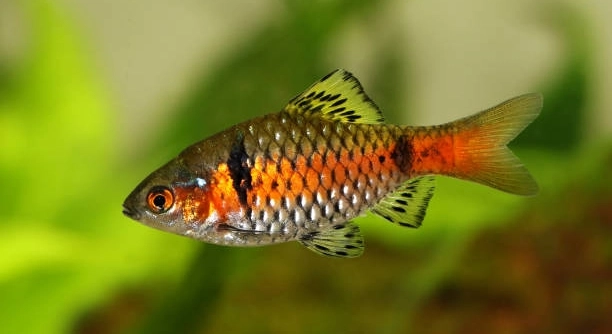
Rosy barbs are popular freshwater fish often kept in home aquariums. Their behavior can tell a lot about how they are adjusting to their environment. Recognizing these signs early can help maintain a healthy tank.
When rosy barbs begin settling in, they typically show increased activity, regular schooling behavior, and consistent feeding patterns. These behaviors indicate adaptation to the tank’s conditions, comfort with their surroundings, and the establishment of a stable social hierarchy within the group.
Understanding these behaviors can help aquarium owners ensure their rosy barbs thrive and avoid common stress-related issues. Observing these subtle signs is key to a successful aquarium experience.
Increased Activity and Exploration
When rosy barbs start settling into a new tank, one of the first noticeable changes is their increase in activity. They swim more confidently and explore different areas, which shows they feel safer. At first, they may stay near hiding spots, but soon they begin moving throughout the tank. This movement is important because it helps them find food, establish territory, and interact with other fish. Increased activity also means the water conditions are likely suitable for them. If the fish remain inactive for too long, it could indicate stress or illness. Keeping an eye on how much they move can provide early clues about their well-being. Maintaining a clean tank and proper temperature supports this behavior. Overall, their willingness to explore is a good sign they are adjusting and feeling more comfortable.
Activity like this signals healthy adaptation. It means the fish are becoming familiar with their environment.
Watching how your rosy barbs interact during exploration can help you identify any problems early and ensure a peaceful aquarium.
Schooling Behavior Emerges
Schooling is a natural social behavior for rosy barbs. When they start settling in, they swim together in groups more often. This behavior helps them feel secure and reduces stress by providing safety in numbers. It also strengthens social bonds among the fish and supports better communication. In a new environment, rosy barbs may initially keep apart, but as they grow comfortable, schooling becomes more consistent and synchronized. Proper tank size and enough companions encourage this behavior. Without enough space or companions, schooling can be limited or absent. Noticing your fish swimming together regularly is a positive sign. It means they are settling well and developing a social structure, which is important for their mental and physical health. Observing their schooling can also make your aquarium more visually appealing and lively.
Consistent Feeding Patterns
Rosy barbs begin to eat regularly as they settle in. This shows they feel secure and comfortable in their tank environment.
Regular feeding habits indicate good health and proper acclimation. When rosy barbs accept food consistently, it means they are not stressed and the water conditions meet their needs. Sudden loss of appetite often signals problems such as poor water quality or illness. Feeding at the same times each day helps create a routine, reducing stress. It is important to offer a balanced diet with high-quality flakes or pellets along with occasional live or frozen foods. Watching how eagerly they eat can reveal their comfort level. Healthy feeding patterns support their growth and vitality.
Feeding behavior is also linked to their social interactions. More confident fish tend to feed openly, while stressed ones hide during feeding time. Paying attention to these signs can help you maintain a thriving aquarium.
Interaction with Tank Mates
Rosy barbs gradually become more social with their tank mates. This interaction is a sign they feel at ease.
As they settle, rosy barbs begin swimming closer to other fish and sometimes engage in playful chasing. This behavior shows a developing social bond and helps establish a peaceful hierarchy. Aggression is usually mild and brief during this phase, as they learn boundaries. Good water quality and sufficient space minimize conflicts. Rosy barbs thrive best in groups, and their interaction benefits their mental health. Careful observation of their social behavior helps identify any tension early. Providing hiding spots reduces stress and promotes harmony. Their growing comfort with tank mates indicates a balanced environment.
Color Intensification
Rosy barbs often show brighter colors as they settle in. This change signals they are healthy and comfortable in their environment.
Stronger colors can also indicate good nutrition and proper lighting. When fish feel stressed or unwell, their colors tend to fade. Observing this shift helps track their well-being over time.
Calm Swimming Patterns
Settled rosy barbs swim smoothly without sudden darting. Calm movements show they are relaxed and confident in the tank.
Erratic swimming often points to stress or poor water conditions. Maintaining stable water parameters encourages calm behavior.
Reduced Hiding Behavior
As rosy barbs adjust, they spend less time hiding. This reduction means they feel secure and less threatened in their surroundings.
A comfortable environment supports their natural behaviors and encourages social interaction within the tank.
FAQ
How long does it take for rosy barbs to settle in?
Rosy barbs usually start settling within one to two weeks after being introduced to a new tank. This period allows them to adapt to water conditions, tank mates, and the new environment. During this time, their behavior gradually shifts from cautious to more confident and social.
What are the signs that rosy barbs are stressed?
Signs of stress include hiding for long periods, loss of appetite, faded colors, and erratic swimming. Stressed fish may also isolate themselves from others or show aggression. Poor water quality, sudden changes in temperature, or overcrowding are common causes.
How can I help my rosy barbs settle faster?
Maintain stable water parameters like temperature, pH, and cleanliness. Provide hiding spots with plants or decorations to create safe areas. Avoid sudden changes and feed them regularly with a balanced diet. Keeping a proper group size also reduces stress and encourages natural schooling behavior.
Is it normal for rosy barbs to nip fins during settling?
Yes, mild fin nipping is common as they establish social hierarchy. It usually decreases once the group settles and roles are understood. If fin damage becomes severe, it could indicate overcrowding or stress, requiring intervention.
What tank size is ideal for rosy barbs?
A minimum of 30 gallons is recommended for a small group of rosy barbs. They are active swimmers and need space to school comfortably. Larger tanks help reduce stress and aggression by providing enough room for all fish.
Can rosy barbs live with other fish during settling?
Rosy barbs generally do well with other peaceful, similarly sized fish. Avoid slow-moving or long-finned species as rosy barbs may nip fins. Proper tank mates and space help reduce stress and support natural behaviors.
How often should I feed my rosy barbs?
Feed small amounts two to three times daily. Overfeeding can cause water quality issues, so only provide what they can eat in a few minutes. A varied diet including flakes, pellets, and occasional live or frozen foods supports their health.
What water conditions do rosy barbs prefer?
Rosy barbs thrive in water temperatures between 65°F and 75°F (18°C to 24°C) with a pH of 6.5 to 7.5. Stable conditions help reduce stress and promote settling. Regular water changes and filtration are important for maintaining quality.
Why do rosy barbs sometimes jump out of the tank?
Jumping can happen if water conditions are poor, they feel threatened, or the tank is overcrowded. Adding a secure lid and keeping the water clean can prevent this behavior.
How can I tell if my rosy barbs are healthy after settling?
Healthy rosy barbs have bright colors, active swimming, regular feeding, and clear eyes. They interact well with tank mates and show calm behavior. Any sudden changes should be monitored closely.
Final Thoughts
Rosy barbs are lively and beautiful fish that bring energy to any aquarium. Their behavior changes noticeably as they settle into a new tank. Recognizing these behaviors helps ensure they stay healthy and comfortable. Increased activity, schooling, and regular feeding are good signs they are adapting well. Their colors often become brighter, and they swim calmly once they feel secure. Paying attention to these details allows aquarium owners to provide the right care.
Creating a stable environment is key to helping rosy barbs settle. Maintaining clean water with proper temperature and pH reduces stress and supports natural behavior. Providing enough space and hiding spots also makes a big difference. Overcrowding or poor water quality can cause stress, leading to unhealthy fish. Feeding them regularly with a balanced diet supports their growth and coloration. Observing how they interact with each other can reveal if they feel safe and well adjusted.
Being patient is important when introducing rosy barbs to a new tank. They may take some time to fully settle, and each fish adjusts at its own pace. Watching their behavior carefully and making small improvements in care can prevent problems. When rosy barbs feel comfortable, they show vibrant colors, swim actively, and interact positively with tank mates. These signs reflect a healthy and thriving aquarium. Understanding and responding to their needs creates a better experience for both the fish and the aquarium keeper.

Hello,
If you enjoy the content that we create, please consider saying a "Thank You!" by leaving a tip.
Every little bit helps us continue crafting quality advice that supports the health, happiness, and well-being of pets around the world, for pets of all shapes, sizes, and species.
We really appreciate the kindness and support that you show us!