
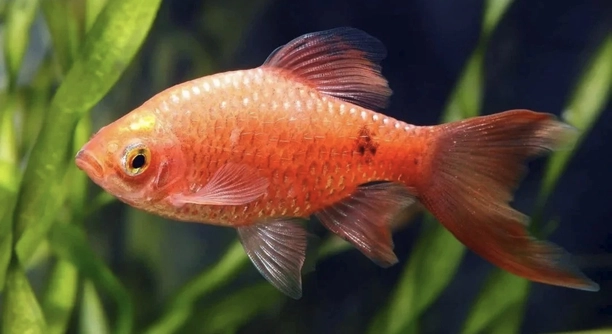
Is your rosy barb suddenly ignoring its food, leaving you unsure of what might be going wrong in its tank?
A rosy barb may stop eating due to stress, poor water quality, illness, or a sudden change in environment or diet. Identifying the cause involves observing behavior, testing water parameters, and checking for visible signs of disease or injury.
Environmental stress, dietary shifts, or hidden health issues may be affecting your fish’s appetite—understanding these signs is key to helping it recover.
Common Reasons Your Rosy Barb Stops Eating
Changes in behavior are often the first signs that something isn’t right with your fish. When a rosy barb stops eating, it could be due to environmental stress like sudden water temperature shifts or poor tank conditions. High ammonia, nitrite, or nitrate levels may reduce appetite or lead to illness. Rosy barbs also react to changes in routine, such as new tank mates or a sudden diet change. Illnesses, including parasites or internal infections, can cause them to avoid food entirely. Watch closely for other signs like clamped fins, lethargy, or rapid breathing, which can help narrow down the cause. Clean water and a peaceful, consistent setup are essential for their well-being. Maintaining stable tank conditions and a varied, balanced diet is one of the simplest ways to keep your rosy barb healthy and eating regularly. Regular observation can prevent small issues from becoming serious health problems over time.
Stress is one of the most common triggers. Rosy barbs are sensitive to sudden changes in their surroundings or routine, and this often affects their appetite.
Watch for subtle changes in their movement, interaction with others, or how they respond during feeding time. Small behavioral shifts often appear before physical symptoms.
How to Encourage Eating Again
Start by checking your tank’s water parameters. Rosy barbs need clean, stable water with appropriate pH, temperature, and oxygen levels. Poor water quality often leads to appetite loss and other signs of distress.
If the water checks out and the fish still isn’t eating, try offering a different food type. High-quality flakes, freeze-dried bloodworms, or blanched vegetables can sometimes reignite their interest. Feed smaller portions and remove uneaten food promptly to prevent decay and water issues. You can also isolate the affected fish for a short period, especially if it’s being bullied or overwhelmed by other tank mates. This can reduce stress and allow it to recover in peace. Additionally, make sure your lighting and tank decorations are not causing visual or physical stress. Dim lighting and ample hiding spots can create a safer environment for anxious fish. If symptoms persist, consider consulting an aquatic vet, especially if you see visible signs like bloating or fin rot. Prompt care makes a difference.
Monitoring Behavior and Physical Signs
Changes in how your rosy barb swims or reacts to others in the tank can be early warning signs. Look for sluggish movement, hiding more than usual, or any signs of labored breathing or hovering near the surface.
Also, check for visible symptoms. A pale body, clamped fins, or white patches could suggest illness or stress. If your fish is rubbing against decorations or swimming erratically, it may be trying to relieve discomfort caused by parasites or irritation. Take note of any bloating, unusual spots, or signs of injury. These indicators, combined with appetite loss, are often linked to a specific issue that needs attention. Use a flashlight to check the fish’s body closely during feeding times. Make observations over several days, as some symptoms can develop slowly. Documenting these changes helps when asking for advice or visiting an aquatic specialist.
Pay attention to how it behaves during feeding. If it shows interest but spits food out or only nibbles lightly, the issue may be with the food or an early sign of infection. A fish that ignores feeding altogether may be experiencing more serious health concerns. Track its appetite consistently, even if behavior seems normal otherwise. Sometimes, subtle feeding changes are the first and only clues. Environmental changes like increased noise, vibrations near the tank, or temperature drops can also contribute. Creating a calm environment can help you observe more accurately. Combine these observations with water testing to rule out water quality issues. Early detection is key when treating potential problems affecting your rosy barb’s appetite.
Feeding Mistakes to Avoid
Overfeeding is a common issue that can lead to poor water quality and digestive stress. Uneaten food decays quickly, affecting both appetite and overall health. Offer small amounts and observe if your rosy barb eats everything within a few minutes.
Feeding the same food every day can cause boredom or nutritional gaps. Rotate between flakes, pellets, and frozen or live food. A varied diet not only encourages eating but also supports immune health. Avoid low-quality brands that may lack essential nutrients or contain fillers.
When to Consider Medical Treatment
If your rosy barb shows no improvement after checking water quality, adjusting the diet, and reducing stress, illness may be the cause. Internal parasites, bacterial infections, or swim bladder issues are all possibilities. A bloated belly, white stringy feces, or noticeable weight loss are key signs. Isolate the fish if possible and seek help from an aquatic vet or experienced fish keeper. In some cases, over-the-counter treatments like medicated food or aquarium-safe antibiotics may be needed. Follow all dosage instructions carefully and remove activated carbon from your filter during treatment to ensure effectiveness. Early treatment increases the chance of recovery.
Maintaining a Stable Environment
Keep tank conditions consistent, with regular water changes and proper filtration. A stable, calm space helps your rosy barb feel secure and more likely to eat regularly.
FAQ
How long can a rosy barb go without eating?
A healthy adult rosy barb can usually go without food for up to a week without serious health effects. However, this should never be routine. If your fish isn’t eating for more than two or three days, something is likely wrong. Younger or weaker fish will have less energy reserve and may show signs of stress or illness sooner. During illness or treatment, appetite loss is common, but it’s still important to monitor closely. Long-term fasting weakens the immune system, making them more vulnerable to disease and infection. Prompt attention helps avoid complications.
Can water temperature affect a rosy barb’s appetite?
Yes, water temperature plays a direct role in their metabolism and appetite. Rosy barbs thrive best in temperatures between 72°F and 80°F (22°C–27°C). If the tank water becomes too cold or too warm, they may stop eating. Cold water slows their digestion, while higher temperatures may increase stress. Use an aquarium heater and thermometer to keep the temperature stable. Sudden changes, even within the proper range, can also trigger stress. When adjusting temperature, do so gradually over a few hours to help your fish adapt more comfortably.
What if my rosy barb spits out its food?
Spitting food can mean several things. It may be testing a new food, rejecting something too large or hard to chew, or showing early signs of illness. Try offering smaller or softer pieces, like soaked pellets or thawed frozen food. If the problem continues for several feedings, monitor for other signs like bloating or discoloration. This behavior often appears before more serious symptoms, so early action can help. A healthy fish should eventually chew and swallow its food, so repeated spitting is worth investigating further, especially if paired with changes in behavior.
Can stress from tank mates cause appetite loss?
Yes, aggressive or overly active tank mates can create a stressful environment, leading to hiding, fear, and skipped meals. Rosy barbs are peaceful but energetic, and they prefer being in groups of at least five or six to feel safe. Being isolated or harassed may cause them to stay in corners or avoid feeding times. If you suspect a tank mate is causing trouble, consider rearranging the decor to reduce territorial behavior or temporarily separating the fish. Watching interactions during feeding time can help identify if bullying or chasing is occurring.
Is fasting ever good for rosy barbs?
Occasional fasting—such as one day a week—is safe and can help clear their digestive system. It mimics natural conditions and prevents overfeeding, which is a common issue in home tanks. However, prolonged or unintended fasting is harmful. If your fish skips meals without a planned break, treat it as a warning sign. Never use fasting as a solution for ongoing feeding problems. Make sure they are still active and behaving normally, and always resume regular feeding once the digestive system has cleared or treatment has ended.
Do rosy barbs eat vegetables or plant-based food?
Yes, rosy barbs are omnivorous and enjoy some plant-based options. Blanched peas (with the skin removed), spinach, zucchini, and cucumber can be offered in small amounts. These foods support digestion and can be helpful during minor constipation or appetite issues. Always remove uneaten vegetables after a few hours to keep the tank clean. Avoid feeding raw vegetables or anything that hasn’t been softened, as it can be too hard to digest. While not a replacement for protein-rich options, offering vegetables occasionally can provide variety and nutrients.
What should I do if my rosy barb eats less after a tank cleaning?
It’s common for fish to act differently after a tank cleaning, especially if the change was large or sudden. Major water changes or moving decorations can cause temporary stress. If your rosy barb avoids food afterward, give it a day or two to adjust. Keep lighting soft and avoid tapping on the tank or introducing new elements during this time. In the future, try to clean smaller portions of the tank over several days to minimize disruption. Appetite should return once the environment feels familiar and stable again.
Are there certain foods that boost appetite in rosy barbs?
Yes, live or frozen foods like bloodworms, daphnia, and brine shrimp often increase interest in feeding. These foods mimic natural prey and are usually more tempting than dry flakes or pellets. Offering them once or twice a week can stimulate appetite and provide a break from routine feeding. Be careful not to overfeed rich or fatty options. High-quality pellets and flakes designed for omnivorous tropical fish can also support regular appetite. Rotate between different food types to keep meals interesting and balanced for your rosy barb.
Can lighting affect feeding behavior?
Lighting affects your fish’s daily rhythm, including eating habits. Too much brightness can create stress, especially if there aren’t enough hiding places. Try using moderate lighting for 8–10 hours a day and providing shaded spots with plants or decorations. If lights are turned on suddenly, fish may be startled and less likely to feed right away. Use a timer for consistency and dim lights gradually if possible. A comfortable lighting schedule supports healthy routines, including regular feeding, rest, and social interaction within the tank.
Why does my rosy barb eat and then stop suddenly?
This may be a sign of early discomfort, a reaction to the food type, or something changing in the tank environment. Sometimes, fish begin eating out of habit but stop when they realize the food is unfamiliar or unpleasant. Check water parameters and try offering a familiar food. If the behavior continues, monitor for signs of bloating, flashing, or other stress indicators. It can also mean they’re being distracted or intimidated by tank mates. Isolating the fish during feeding or offering food in different areas may help.
Final Thoughts
When a rosy barb stops eating, it’s often a sign that something in its environment or health has changed. Appetite loss is not always serious at first, but it should never be ignored. Even small changes in feeding habits can point to water quality problems, stress, or illness. Paying attention to how your fish acts during feeding, how it moves, and any changes in appearance can help you catch issues early. Simple actions like testing the water, checking the temperature, and observing tank behavior can often solve the problem before it gets worse.
Keeping a consistent feeding routine, offering a balanced diet, and maintaining a clean, stable environment will go a long way in keeping your rosy barb healthy. Fish thrive in tanks where the water is clean, the temperature is stable, and they feel safe around their tank mates. If your rosy barb suddenly stops eating, try adjusting one thing at a time, whether it’s food variety, portion size, or tank conditions. Avoid making too many changes at once, as this can cause more stress. Staying patient and giving your fish time to adjust can often lead to improvement.
Sometimes, though, the issue may be more serious and require treatment or advice from someone experienced with fish care. If your rosy barb continues to avoid food after you’ve addressed all the basic care factors, don’t wait too long to seek help. Acting early can improve the chance of recovery. Rosy barbs are hardy fish, and with the right care, they can bounce back quickly. Watching your fish return to its usual activity and eating habits is not only rewarding but also a clear sign that your efforts have made a difference. Keeping your focus on their basic needs and changes in behavior will help ensure a healthy, balanced life for your rosy barb.

Hello,
If you enjoy the content that we create, please consider saying a "Thank You!" by leaving a tip.
Every little bit helps us continue crafting quality advice that supports the health, happiness, and well-being of pets around the world, for pets of all shapes, sizes, and species.
We really appreciate the kindness and support that you show us!