
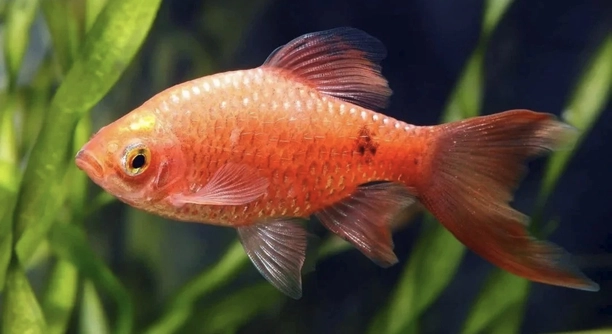
Rosy barbs are popular aquarium fish known for their vibrant colors and active behavior. Keeping them healthy requires daily attention to their environment and care. Consistent habits help maintain their well-being and ensure they thrive over time.
The seven daily habits that support rosy barbs include proper feeding, regular water checks, tank cleaning, monitoring fish behavior, maintaining optimal water temperature, providing adequate oxygenation, and ensuring a balanced environment. These routines promote health and longevity.
Following these simple daily steps will help keep your rosy barbs lively and colorful. Understanding these habits will support a thriving aquarium for your fish.
Proper Feeding for Rosy Barbs
Feeding rosy barbs the right amount and type of food is essential for their health. Overfeeding can cause water pollution and lead to health issues. It’s best to feed them small portions two to three times a day. Use high-quality flakes or pellets designed for tropical fish. Occasionally, add live or frozen foods like brine shrimp or bloodworms to vary their diet and provide extra nutrients. Removing uneaten food after feeding helps keep the tank clean and reduces the risk of disease. Monitoring how much your rosy barbs eat ensures they stay healthy and active without harming their environment.
Feeding them consistently at the same times helps maintain their digestion and reduces stress. A balanced diet supports their vibrant color and energy levels.
Keeping a feeding schedule and using nutritious food will help your rosy barbs grow strong and lively. Proper feeding is a key habit to build into your daily routine for long-term success with these fish.
Regular Water Quality Checks
Water quality is critical for rosy barbs’ health. Testing pH, ammonia, nitrite, and nitrate levels regularly prevents toxic buildup.
Checking water parameters daily ensures any changes are noticed early, allowing quick adjustments. Rosy barbs thrive in slightly acidic to neutral pH (6.5-7.5). Ammonia and nitrite should always be zero, while nitrates must be kept low. Use a reliable test kit to monitor these values. Keeping water clean through partial water changes supports stable water chemistry. Proper filtration and avoiding overcrowding also help maintain good water quality. Poor water conditions can stress the fish and cause illness, so regular monitoring is necessary.
Routine water testing protects your rosy barbs from harmful substances and creates a stable environment. Maintaining clean, balanced water is one of the most important habits for their health and longevity.
Tank Cleaning Routine
Cleaning the tank regularly helps keep the environment healthy for rosy barbs. Remove debris, algae, and waste without disturbing the fish too much.
Partial water changes every week replace about 20-30% of the tank water. This removes toxins and replenishes minerals. Use a gravel vacuum to clean the substrate without harming beneficial bacteria. Wipe down tank walls to control algae growth. Avoid deep cleaning that removes all bacteria since it supports the nitrogen cycle. Maintaining a clean tank reduces stress on the fish and lowers the risk of disease.
A consistent cleaning schedule balances hygiene with maintaining a stable environment. This helps keep rosy barbs comfortable and thriving daily.
Monitoring Fish Behavior
Observing rosy barbs for changes in behavior is vital. Signs of stress or illness appear early and allow prompt action. Normal activity includes swimming actively and interacting with tank mates. Lethargy, hiding, or gasping at the surface indicate problems. Watch for changes in appetite or color fading. Early detection prevents worsening health and helps identify water or feeding issues. Tracking behavior daily builds a connection and ensures their well-being. Promptly addressing behavior changes improves the chance of recovery and keeps the community healthy.
Regular observation lets you adjust care routines as needed. It is a key habit for successful fishkeeping.
Maintaining Optimal Water Temperature
Rosy barbs need stable water temperatures between 74°F and 78°F. Fluctuations can stress the fish and cause illness. Using a reliable aquarium heater with a thermostat helps keep temperature steady. Monitor temperature daily to avoid sudden changes.
Proper temperature supports metabolism and activity levels. Consistent warmth encourages healthy growth and vibrant coloration.
Providing Adequate Oxygenation
Good oxygen levels are essential for rosy barbs’ health. Use an air pump or ensure strong water movement with a filter. This improves gas exchange at the surface and keeps oxygen dissolved in the water.
Creating a Balanced Environment
A balanced tank includes plants, hiding spots, and proper lighting. Plants help absorb nitrates and provide shelter. Decorations reduce stress by offering refuge from aggression. Avoid overcrowding to keep water quality stable and fish comfortable.
Ensuring Proper Lighting
Lighting affects fish behavior and plant growth. Use moderate, consistent lighting on a daily schedule. Avoid bright lights that cause stress or promote excessive algae.
How often should I feed my rosy barbs?
Feeding rosy barbs two to three times a day with small portions is ideal. Overfeeding leads to uneaten food, which pollutes the water and harms fish health. Give only what they can eat in about two minutes. This helps maintain water quality and keeps the fish active and healthy.
What is the best type of food for rosy barbs?
High-quality tropical fish flakes or pellets provide balanced nutrition. Occasionally, supplement their diet with live or frozen foods like brine shrimp, daphnia, or bloodworms. These add variety and essential nutrients, promoting vibrant colors and strong immune systems. Avoid feeding too much protein at once to prevent digestive problems.
How do I test water quality properly?
Use an aquarium water test kit to measure pH, ammonia, nitrite, and nitrate levels. Test the water at least once a week or more if issues arise. Ammonia and nitrite should be zero; nitrate should be low. Adjust water conditions with partial water changes or treatments as needed to keep the tank safe.
What is the ideal water temperature for rosy barbs?
Rosy barbs thrive in water between 74°F and 78°F (23°C–26°C). Temperatures outside this range can stress the fish and increase susceptibility to disease. Use a heater with a thermostat to maintain a steady temperature. Avoid placing the tank near windows or vents where temperatures fluctuate.
How often should I clean the tank?
Perform partial water changes of 20-30% weekly to remove toxins and refresh minerals. Clean the substrate using a gravel vacuum to remove debris. Wipe down the tank glass to control algae growth. Avoid deep cleanings that disrupt beneficial bacteria. Regular maintenance keeps the environment stable and healthy for your fish.
What behavior indicates my rosy barbs are stressed or sick?
Signs include hiding, lethargy, loss of appetite, faded colors, and gasping at the surface. Sudden changes in swimming patterns or flashing against objects also suggest discomfort. Early detection allows for quick adjustments in care, such as improving water quality or checking diet.
Can rosy barbs live with other fish?
Yes, they are generally peaceful and do well in community tanks with similarly sized, non-aggressive species. Avoid housing them with large, aggressive fish that may bully or harm them. Always monitor interactions to ensure a calm and safe environment.
How important are plants in a rosy barb tank?
Live plants improve water quality by absorbing nitrates and providing oxygen. They offer hiding spots that reduce stress and make the tank feel more natural. Hardy plants like Java fern or Anubias work well. Plants also help create a balanced ecosystem for the fish to thrive.
What lighting is best for a rosy barb aquarium?
Moderate lighting on a daily schedule of 8-10 hours supports fish health and plant growth. Avoid overly bright lights, which can stress the fish and encourage excessive algae. Using a timer ensures consistent lighting and helps maintain a stable environment.
How can I prevent diseases in my rosy barbs?
Maintaining clean water, stable temperature, and a balanced diet are key to preventing illness. Avoid overcrowding and quarantine new fish before adding them to the tank. Promptly address any signs of sickness by improving water quality and consulting treatments suited to the problem.
Is it necessary to oxygenate the water?
Yes, adequate oxygen levels are vital. Use an air pump or a filter that creates surface agitation to increase oxygen exchange. Proper oxygenation supports respiration and keeps fish energetic. Stagnant water can cause stress and health problems.
What tank size is suitable for rosy barbs?
A minimum 20-gallon tank is recommended for a small group of rosy barbs. They are active swimmers and need space to move freely. Larger tanks make it easier to maintain stable water parameters and reduce aggression. Keep them in groups of at least six to encourage natural schooling behavior.
How do I handle sudden changes in water parameters?
If test results show spikes in ammonia, nitrite, or nitrates, perform immediate partial water changes. Check and clean filters, reduce feeding temporarily, and ensure no dead fish or excess waste remains. Monitor the tank closely until values return to safe levels.
What are common signs of poor water quality?
Cloudy water, strong odors, algae blooms, and fish gasping at the surface indicate problems. Fish may also show stress symptoms like clamped fins or erratic swimming. Regular testing and maintenance help prevent these issues and keep the tank healthy.
Can rosy barbs adapt to different water pH levels?
Rosy barbs prefer slightly acidic to neutral water with pH between 6.5 and 7.5. They can tolerate minor fluctuations but sudden or extreme changes cause stress. Use pH buffers if necessary, and avoid mixing incompatible water sources to maintain consistency.
These answers cover common concerns and promote good care habits to keep rosy barbs healthy and vibrant. Following these guidelines daily will support a thriving aquarium environment.
Proper care and attention are essential for keeping rosy barbs healthy and happy. These fish need consistent daily habits that focus on feeding, water quality, and tank maintenance. By following a simple routine, you can create an environment where your rosy barbs will thrive and display their bright colors. Small actions, like feeding the right amount of food and checking the water temperature, make a big difference in their overall well-being. Consistency is key, as sudden changes can stress the fish and lead to health problems.
Regularly monitoring water parameters and cleaning the tank helps prevent issues before they start. Rosy barbs live best in clean, stable water with proper oxygen levels and a balanced ecosystem. Including live plants and hiding spots can reduce stress and encourage natural behavior. It is also important to observe your fish daily for any changes in behavior or appearance, as early detection of problems allows quick action. Keeping these fish in groups and avoiding overcrowding further supports their health and social needs.
Ultimately, caring for rosy barbs involves developing a daily routine that balances their nutritional, environmental, and social needs. Taking the time to maintain their habitat, feed them properly, and watch for signs of illness will result in a lively and colorful aquarium. With patience and attention, rosy barbs can become a beautiful and enjoyable part of your home. This ongoing care creates a rewarding experience for both the fish and the keeper.

Hello,
If you enjoy the content that we create, please consider saying a "Thank You!" by leaving a tip.
Every little bit helps us continue crafting quality advice that supports the health, happiness, and well-being of pets around the world, for pets of all shapes, sizes, and species.
We really appreciate the kindness and support that you show us!