
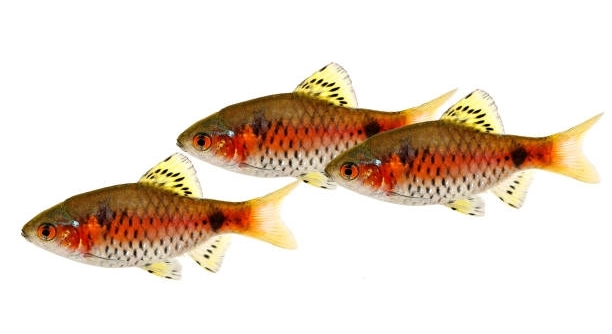
Have you ever stood by your fish tank and wondered if your rosy barbs are happier swimming alone or in a group?
Rosy barbs feel safer and more at ease when kept in groups rather than alone. These social fish naturally form shoals in the wild, which helps reduce stress, boost confidence, and encourage natural behaviors in home aquariums.
This behavior reveals more about their social needs, stress levels, and the best tank conditions for their overall well-being and health.
Why Rosy Barbs Prefer Groups Over Solitude
Rosy barbs are naturally social fish that thrive in groups, not just for company but for their survival instincts. In the wild, these fish live in shoals to protect themselves from predators and to feel secure. When kept alone, they may become timid, stressed, or even aggressive. Their overall activity level drops, and their color may appear duller due to anxiety. When housed in a small group—ideally five or more—they show more vibrant colors, steady swimming patterns, and active behavior. These changes are clear signs of comfort and confidence. Grouping also supports healthier interactions, like schooling and chasing, which mimic natural behaviors. If you’re looking to help your rosy barbs feel at ease and express their full personality, keeping them in a small group is the best way. They rely on social signals to navigate their environment, and this dynamic simply doesn’t exist when they are isolated in a tank.
Isolation tends to increase stress, which can lead to health issues and a shortened lifespan.
Understanding the social nature of rosy barbs helps create a better environment where they can feel confident, active, and secure in their daily routines.
Signs of Stress in Solitary Rosy Barbs
Rosy barbs kept alone often show subtle signs of stress that can be easy to miss if you’re not paying close attention.
They might stay near the bottom of the tank or hide behind decorations. This lack of movement is usually a reaction to discomfort and insecurity. Their color may fade, and they may show less interest in food. Some solitary rosy barbs may even start nipping at their fins or show erratic swimming behavior, which are clear signs of distress. This behavior is more common in tanks without proper stimulation or hiding spaces. Even with a well-decorated aquarium, the absence of social interaction can make these fish feel unsafe. Keeping rosy barbs in a group reduces these stress behaviors significantly. When surrounded by others of their kind, they tend to swim confidently, engage with their environment, and eat more consistently. If you notice these warning signs in a single rosy barb, consider adding more to the tank. A group setting will help restore natural behavior and reduce signs of stress.
Creating a Comfortable Group Environment
Rosy barbs need enough space to swim freely as a group. A small tank can cause stress, even if they’re not alone.
Choose a tank that holds at least 30 gallons when keeping a group of five or more rosy barbs. These fish are active swimmers and need room to move together without bumping into decorations or each other. Use soft substrate and include live plants or driftwood to offer hiding spots without blocking open swimming areas. Avoid overcrowding the tank with too many species. Rosy barbs can become territorial when stressed, especially in tight spaces. Maintain stable water conditions with good filtration and weekly partial water changes. A calm environment with steady lighting helps reduce anxiety. The goal is to make the tank feel natural, so the group can behave normally and feel safe. When space, structure, and water quality are balanced, rosy barbs can flourish in their group.
Keep the water temperature between 72°F and 78°F and the pH level between 6.5 and 7.5. A stable environment supports their health.
Choosing Tank Mates Wisely
Not all fish are suitable tank mates for rosy barbs. They need species that match their energy and don’t react aggressively to schooling behavior.
Rosy barbs are semi-aggressive and active, so it’s best to avoid long-finned or slow-moving fish. Good companions include zebra danios, cherry barbs, and platies, as they are fast enough to keep up and won’t trigger aggression. Always monitor their behavior when introducing new tank mates. If any signs of chasing, fin nipping, or hiding appear, it may signal incompatibility. A crowded or mismatched tank increases stress and ruins the group’s calm. It’s also important to keep group sizes even. An odd number of rosy barbs can sometimes create bullying within the group. Make sure to feed all fish at the same time and offer enough food to prevent competition. Creating a peaceful tank dynamic supports better social behavior and keeps your rosy barbs comfortable, confident, and active throughout the day.
Monitoring Group Behavior
Watch for signs that all rosy barbs in the group are swimming actively and staying close together. This usually means they feel safe and connected.
If one fish separates often or hides, it may not be adjusting well. This can happen when group size is too small or uneven.
Feeding in a Group Setting
Feeding rosy barbs in groups can be simple when managed properly. Scatter food across the tank so all fish have access at once. Use floating flakes or slow-sinking pellets to give each barb time to grab food without pressure. Avoid overfeeding, as leftovers can affect water quality and harm their health. Group competition during feeding is normal, but any signs of pushing or aggression may mean one or more fish are stressed or hungry. Watch each barb during feeding to make sure no one is missing out. Balanced feeding habits help keep the group calm, active, and healthy in the long run.
Final Thoughts on Social Needs
Rosy barbs do best in peaceful, structured groups with the right space and tank mates to support their natural behavior.
FAQ
How many rosy barbs should I keep together?
Rosy barbs should be kept in groups of at least five to feel comfortable and safe. Smaller groups may cause stress and lead to aggressive or shy behavior. A larger group encourages natural schooling, making the fish more confident and active.
Can rosy barbs live alone?
While they can survive alone, rosy barbs tend to feel insecure and stressed without companions. Their social nature means they rely on interaction within a group to reduce anxiety and express natural behavior. Keeping them alone is not recommended for long-term health.
What tank size is suitable for a group of rosy barbs?
A minimum of 30 gallons is recommended for a group of five rosy barbs. This size allows enough space for swimming, schooling, and maintaining good water quality. Smaller tanks can increase stress and territorial behavior.
What water conditions do rosy barbs need?
Rosy barbs thrive in water temperatures between 72°F and 78°F and prefer a neutral pH around 6.5 to 7.5. Stable conditions and clean water are important to prevent stress and disease. Regular water changes and good filtration support their health.
What are common signs of stress in rosy barbs?
Stress signs include faded colors, hiding, sluggish swimming, or fin nipping. Fish may also lose appetite or show erratic swimming. Stress often results from poor water quality, overcrowding, or lack of social interaction. Addressing these issues helps restore healthy behavior.
Can rosy barbs live with other fish?
Yes, but tank mates should match their energy level and temperament. Good companions include fast, semi-aggressive species like danios and platies. Avoid slow-moving or long-finned fish, as rosy barbs may nip their fins. Monitoring behavior after introducing new fish is important.
How often should I feed rosy barbs?
Feed rosy barbs once or twice daily with a balanced diet of flakes, pellets, or live food. Avoid overfeeding to maintain water quality. Feed enough so all fish can eat without competition, scattering food around the tank if needed.
Do rosy barbs need hiding spots in the tank?
Yes, providing plants, driftwood, or decorations offers places for shy or stressed fish to retreat. These hiding spots help reduce anxiety and encourage natural behavior. However, make sure to leave open swimming areas for schooling.
How can I tell if my rosy barbs are happy?
Happy rosy barbs swim actively in groups, display bright colors, and eagerly eat during feeding. They interact with tank mates without signs of aggression or fear. Calm, smooth swimming and schooling behavior are good indicators of well-being.
What should I do if one rosy barb becomes aggressive?
Aggression may occur due to stress or overcrowding. First, check tank size and water conditions. Adding more barbs can sometimes reduce bullying by spreading out social focus. If aggression continues, consider rearranging decorations or separating the aggressive fish temporarily.
Rosy barbs are naturally social fish that feel safer and more comfortable when kept in groups. Their behavior in the wild shows a strong preference for living in shoals, where they find protection and confidence. Keeping rosy barbs alone can cause stress and make them less active, which affects their health and overall well-being. By providing a group setting, you encourage natural swimming patterns and social interaction, which improves their mood and appearance. This social environment helps them feel secure and less vulnerable to threats, even in a home aquarium. Understanding their need to be part of a group is key to supporting their long-term health.
Creating the right environment for rosy barbs involves more than just keeping several fish together. Tank size, water quality, and suitable companions all play important roles in their comfort. A tank of at least 30 gallons is ideal for a small group, giving them enough space to swim freely and avoid stress caused by crowding. Stable water conditions and a balanced diet support their immune systems and activity levels. Including live plants or decorations provides hiding spots, which help reduce anxiety without limiting swimming space. Choosing tank mates that match their energy and temperament prevents aggression and helps maintain a peaceful community. These details work together to create a habitat where rosy barbs can thrive naturally.
Observing your rosy barbs regularly will help you notice if they are content or stressed. Active swimming, bright coloration, and social schooling are signs they feel safe and comfortable. Signs of stress, such as hiding, faded colors, or erratic swimming, mean adjustments may be needed in their care or tank setup. Remember, rosy barbs depend on their group for security, so keeping them in numbers is essential. When you provide a well-maintained, spacious tank with appropriate companions, you give them the best chance to live healthy, happy lives. Paying attention to their social needs is one of the simplest ways to support their natural behavior and well-being.

Hello,
If you enjoy the content that we create, please consider saying a "Thank You!" by leaving a tip.
Every little bit helps us continue crafting quality advice that supports the health, happiness, and well-being of pets around the world, for pets of all shapes, sizes, and species.
We really appreciate the kindness and support that you show us!