
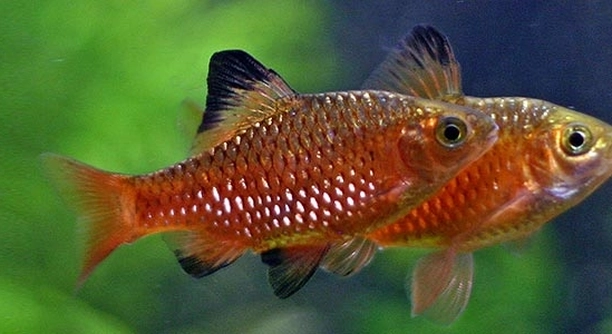
Is your rosy barb tank feeling a bit too crowded lately, leaving your fish stressed and the water quality declining fast?
The fastest way to fix an overcrowded rosy barb tank is by reducing fish numbers, upgrading the tank size, and improving filtration. These methods restore balance, reduce aggression, and support better water conditions for healthier, happier fish.
Making these changes now will help your fish thrive and bring harmony back to your aquatic setup.
Remove Extra Fish Gradually
Overcrowding often starts when too many fish are added too quickly. Rosy barbs are active swimmers and need space to stay healthy. When their tank becomes cramped, stress levels rise, and water quality drops fast. To correct this, begin by removing some fish. Don’t take them all out at once—spread it out over a few days. This keeps the tank stable and prevents sudden changes in water chemistry. Rehome the extras to a trusted aquarist, another tank, or a local fish store. Focus on keeping a balanced group. A general rule is one inch of fish per gallon, but rosy barbs need more space due to their activity levels. Keep no more than six in a 30-gallon tank if no other fish are present. When you lower the population, your tank’s balance improves, aggression reduces, and the fish appear more active and less stressed.
Start by removing the most aggressive or weakest fish first.
Once you reduce numbers, you’ll likely notice better swimming behavior, clearer water, and fewer health issues. Rosy barbs thrive in social groups but need room to move. A less crowded tank helps them show off their natural colors and personalities. You’ll also see improved filtration performance and fewer ammonia spikes.
Increase Tank Size
A tank that’s too small limits oxygen, space, and waste dilution.
For rosy barbs, a larger tank isn’t just a luxury—it’s a necessity. Their energy and schooling nature require horizontal swimming space. If your current tank is less than 30 gallons, it’s time to upgrade. Moving to a 40- or 55-gallon tank gives your fish room to establish territories and swim freely. When fish can spread out, aggression drops and stress-related health problems decrease. A bigger tank also improves filtration efficiency because there’s more water volume to absorb waste. It becomes easier to maintain stable parameters like temperature, pH, and ammonia levels. Add hiding spots and plants to reduce visual stress and create a more natural layout. A larger tank doesn’t mean you can overcrowd again—it’s still important to stock responsibly. But giving your existing barbs more space allows them to behave naturally and form a more peaceful group. A larger environment encourages better water quality and fewer maintenance issues.
Improve Filtration Immediately
Strong filtration is essential in a crowded tank. Rosy barbs produce a lot of waste, and without proper filtration, ammonia and nitrite levels rise quickly. Upgrading your filter can help maintain clean water and reduce stress-related illnesses.
Choose a filter rated for a tank larger than yours. For example, if you have a 30-gallon tank, use a filter rated for 50 gallons. This ensures better mechanical, biological, and chemical filtration. Also, consider using a sponge filter in addition to your main one. It adds extra surface area for beneficial bacteria and gentle circulation. Clean the filters regularly, but don’t replace all filter media at once—this can destroy helpful bacteria. Better filtration doesn’t replace water changes, but it supports cleaner water between them. With fewer toxins and more oxygen, your rosy barbs can thrive even as you work to reduce crowding.
Good filtration keeps the water clearer, helps control odor, and reduces stress-related behavior. Rosy barbs feel more secure in a stable environment with steady flow and consistent parameters. When waste is processed efficiently, fish show better color and swim more actively. A strong filter also makes it easier to maintain a consistent schedule and avoid unexpected problems. Healthy filtration is one of the simplest ways to protect your tank.
Rearrange Decorations and Plants
Changing the tank layout can help manage territorial behavior in tight spaces. Moving plants, rocks, and decor confuses established territories and can break up aggressive patterns. This method works well if you can’t remove fish immediately.
Start by shifting larger objects to block direct sightlines. Add tall plants or background decorations to give shy fish space to retreat. Floating plants can help reduce surface tension and calm active swimmers. Rearranging also encourages your rosy barbs to explore more areas of the tank rather than staying in one corner. Even minor changes can reduce stress and help prevent fin-nipping. Keep decorations smooth and safe to avoid injury during active swimming. Adding visual barriers allows fish to feel secure while reducing dominance displays. This works best when paired with other fixes like water changes and filter upgrades. A refreshed layout offers a simple way to bring some peace back to a crowded tank.
Add More Plants or Hiding Spots
Plants and hiding spots help reduce tension in a crowded tank. They give fish places to rest and escape from aggressive tankmates. Use live or silk plants, caves, or driftwood to create calm zones and natural barriers.
Covering open areas helps spread fish out across the tank. When rosy barbs don’t feel exposed, they act less skittish and show fewer signs of stress. Even a few extra plants can make a difference in how peacefully your fish interact with each other.
Do Partial Water Changes More Often
Frequent partial water changes remove harmful waste and keep the water fresh. In overcrowded tanks, ammonia and nitrate build up faster than normal. Changing 20–30% of the water twice a week can help keep things stable. Use a water conditioner and match the new water’s temperature to avoid shocking your fish. Test the water weekly to check pH, ammonia, and nitrate levels. Even if the tank looks clean, toxins can still be high. More frequent changes won’t solve crowding, but they make the environment safer while you work on long-term fixes.
Reduce Feeding Amounts
Too much food adds to waste and water pollution. In overcrowded tanks, it’s better to feed lightly once or twice a day. Only offer what the fish can eat in under two minutes.
FAQ
How many rosy barbs can I keep in a 30-gallon tank?
A 30-gallon tank can comfortably house around six rosy barbs if no other fish are present. These fish are active swimmers and need space to move freely. If you have a community setup with other species, it’s best to keep fewer barbs. Overcrowding causes stress, poor water quality, and aggression. Stick to a moderate number to support better health and swimming behavior. Always consider adult size, not the juvenile size when calculating stocking limits.
Can I mix rosy barbs with other fish in a crowded tank?
Mixing species in a crowded tank adds to stress and often leads to fin-nipping or territorial fights. Rosy barbs are semi-aggressive, especially in tight spaces. If you want to keep them with other fish, make sure there’s enough room. Peaceful, fast-swimming species like danios or certain tetras can sometimes work, but only if the tank is large and well-decorated. Avoid slow or long-finned fish like bettas or guppies—they become easy targets in crowded tanks.
Why do my rosy barbs chase each other so much?
Chasing is common among rosy barbs, especially in overcrowded tanks. It’s often linked to mating behavior, stress, or lack of space. In a group, males may chase each other to establish dominance. If the tank is too small or lacks hiding spots, chasing becomes excessive and stressful. Reduce the number of fish, rearrange decorations, and increase tank size if needed. Balanced male-to-female ratios (two females per male) can also help reduce aggression.
Do rosy barbs need a bubbler in a crowded tank?
While not always necessary, a bubbler can help in an overcrowded setup. More fish means higher oxygen demand. A bubbler increases surface agitation and improves oxygen exchange. If your fish are gasping at the surface or staying near the filter output, oxygen levels might be too low. Use an air stone or bubbler along with good filtration to boost oxygenation. This simple addition can make the tank feel calmer and help all fish breathe easier.
What happens if I keep my rosy barbs overcrowded for too long?
Prolonged overcrowding leads to stress, illness, stunted growth, and shorter lifespans. The water quality becomes hard to manage, and ammonia spikes become more frequent. Fish may become aggressive or stop eating. In some cases, you’ll see fin rot, ich, or internal infections. Rosy barbs are hardy, but they can’t thrive under constant pressure. If you can’t upgrade the tank or rehome fish immediately, take steps to improve filtration and water quality while planning a long-term solution.
How often should I test water in a crowded tank?
You should test water at least twice a week in an overcrowded tank. Keep an eye on ammonia, nitrite, nitrate, and pH. Overcrowding causes water parameters to shift quickly, so regular testing helps you act before things go wrong. Use liquid test kits for accuracy.
Should I quarantine new rosy barbs before adding them?
Yes, always quarantine new fish for at least two weeks. Even healthy-looking fish can carry diseases or parasites. Quarantining helps protect your main tank and allows you to observe the newcomers for signs of illness. This step is even more important in already crowded tanks, where disease spreads faster and is harder to control.
Can I use floating plants to help reduce stress?
Floating plants like hornwort or duckweed can help calm the tank by dimming the lighting and breaking up open space. Rosy barbs feel more secure with shaded areas and soft lighting. These plants also absorb excess nutrients, improving water quality. Just make sure they don’t block surface agitation completely.
What filter type is best for rosy barb tanks?
A hang-on-back (HOB) or canister filter works well for rosy barb tanks. Canisters are better for larger setups, offering stronger flow and better media capacity. Always choose a filter rated for more gallons than your tank size. Combining it with a sponge filter can improve biological filtration and protect smaller fish.
Final Thoughts
Keeping rosy barbs in a well-balanced tank takes attention and care. These fish are active, social, and beautiful, but they do not do well in crowded spaces. When a tank becomes overcrowded, the problems can build up quickly. You may notice more fighting, dirty water, and signs of illness. It’s important to act early and make small changes that help restore balance. Whether it’s removing a few fish, upgrading the tank, or just rearranging decorations, even simple adjustments can make a difference. A calm and healthy tank is better for both the fish and the person taking care of them.
Overcrowding puts stress on every part of the tank—filtration, oxygen levels, and water quality. These changes aren’t always easy to fix right away, especially if you don’t have space or another tank available. But doing more frequent water changes, improving filtration, and feeding less can help manage things in the short term. Over time, the goal should be to create a space that supports the natural behavior of rosy barbs. This means giving them room to swim, explore, and live without constant stress. If your fish seem calmer, brighter in color, and more active, that’s a sign things are improving.
Making your tank a better home doesn’t require expensive tools or major changes. Most of the time, a few smart adjustments go a long way. Watching your rosy barbs swim peacefully in a clean, well-spaced tank can be a rewarding experience. These fish are strong and adaptable, but they still rely on you to keep their environment safe. By understanding their needs and responding with care, you’ll help your tank thrive. Even in smaller spaces, thoughtful choices can make your fish feel more comfortable and bring life back to your aquarium.

Hello,
If you enjoy the content that we create, please consider saying a "Thank You!" by leaving a tip.
Every little bit helps us continue crafting quality advice that supports the health, happiness, and well-being of pets around the world, for pets of all shapes, sizes, and species.
We really appreciate the kindness and support that you show us!