
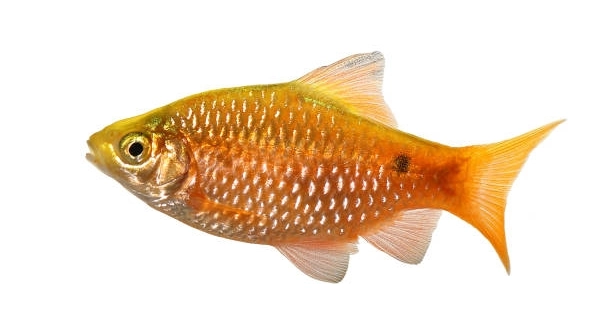
Rosy barbs are popular freshwater fish known for their bright colors and lively behavior. Many fish keepers enjoy watching them add vibrancy to their aquariums. However, it can be surprising when these colorful fish suddenly lose their color overnight.
The main cause of rosy barbs going pale overnight is stress, often triggered by sudden changes in water quality, temperature fluctuations, or aggressive tank mates. Stress affects their pigmentation, making their colors fade quickly as a defense mechanism.
Understanding why rosy barbs lose color so rapidly helps fish owners maintain a healthy and stable environment, ensuring their fish remain vibrant and active.
Causes of Color Fading in Rosy Barbs
Rosy barbs lose their color mainly due to stress factors in their environment. Sudden changes in water temperature can shock their system, leading to pale colors. Poor water quality, especially high levels of ammonia or nitrites, also affects their health and coloration. Another reason is aggressive tank mates that cause the fish to hide or become anxious. When stressed, rosy barbs conserve energy and reduce their bright pigmentation. Inadequate diet lacking in color-enhancing nutrients can also dull their appearance. Lighting plays a role too; too little or harsh light can impact their natural hues. It is important to keep their habitat stable and comfortable to maintain their vivid colors.
Poor water conditions and sudden disturbances are the most common reasons for rosy barbs to lose color quickly.
Keeping the water clean and stable, providing proper nutrition, and avoiding aggressive fish help rosy barbs maintain their healthy, bright colors over time.
How to Restore Color in Rosy Barbs
Restoring rosy barbs’ color requires fixing the causes of stress. Improving water quality is the first step—regular water changes and testing help maintain safe conditions. Ensuring the temperature stays consistent reduces shock. Feeding high-quality, varied foods with natural color enhancers like spirulina or carotenoids supports pigmentation. Reducing aggression by choosing compatible tank mates and providing hiding spots helps fish feel secure. Proper lighting that mimics their natural environment encourages vibrant color. Observing behavior is key; if a fish seems stressed, taking action quickly can prevent long-term fading. By addressing these areas, fish owners can help their rosy barbs regain brightness and enjoy watching their colors return. Consistency and care make a big difference in keeping these fish healthy and colorful.
Monitoring Water Quality
Keeping an eye on water quality is essential for healthy rosy barbs. Regular testing helps catch problems early and prevents stress.
Testing water parameters like pH, ammonia, nitrite, and nitrate levels ensures a safe environment. Rosy barbs thrive in a pH between 6.5 and 7.5. Ammonia and nitrites should be at zero, as even small amounts can harm fish and cause color loss. Nitrates should stay below 20 ppm. Using water conditioners during changes can remove harmful chemicals like chlorine. Consistent maintenance reduces sudden shifts in water quality, keeping the fish calm and colorful.
Frequent water changes help maintain good quality and prevent the buildup of toxins. Stable water conditions support the fish’s immune system, making them less prone to stress and pale coloring.
Choosing Tank Mates Carefully
Rosy barbs do best with peaceful fish that won’t bully or stress them. Aggressive tank mates often cause hiding and color fading.
Selecting compatible species reduces conflict in the tank. Avoid aggressive or overly territorial fish that nip fins or chase others. Ideal companions include other barbs or small, peaceful community fish. Providing enough space and hiding places helps all fish feel secure. When fish feel safe, they display their natural colors more vividly. Monitoring interactions regularly helps catch issues early, so adjustments can be made quickly.
By keeping the social environment calm and balanced, rosy barbs can thrive and keep their bright appearance without fear or stress affecting them.
Importance of Proper Lighting
Proper lighting helps rosy barbs maintain their natural colors. Too little light can cause dullness, while too much can stress the fish.
Balanced lighting mimics their natural environment and supports healthy behavior. Using a timer ensures a consistent light cycle, which helps keep colors bright and fish active.
Diet and Color Enhancement
Feeding rosy barbs a varied diet rich in nutrients like carotenoids enhances their coloration. High-quality flakes, pellets, and live or frozen foods provide essential vitamins and minerals. Natural additives like spirulina and shrimp improve pigment development. Avoid overfeeding to prevent water quality issues.
Stress Reduction Techniques
Minimizing sudden changes and maintaining a calm environment reduces stress. Stable conditions help rosy barbs stay healthy and colorful.
FAQ
Why do rosy barbs lose color suddenly?
Rosy barbs can lose color quickly due to stress from changes in water quality, temperature shifts, or aggressive tank mates. Stress affects their natural pigments, causing them to fade as a protective response. Maintaining stable tank conditions is key to preventing sudden color loss.
How often should I test the water for rosy barbs?
It’s best to test water parameters at least once a week, especially for ammonia, nitrites, nitrates, and pH. Frequent testing helps spot harmful changes early, so you can act before your fish get stressed or lose their color.
Can diet alone restore faded colors?
A good diet supports color, but it won’t fix fading caused by poor water or stress. Nutrient-rich foods with carotenoids help enhance pigmentation, but the environment must also be stable for colors to return fully.
What foods help improve rosy barb coloration?
Foods containing natural color enhancers like spirulina, krill, and shrimp boost rosy barbs’ red and orange tones. High-quality flakes or pellets designed for color enhancement can be mixed with occasional live or frozen treats for best results.
Is lighting important for rosy barb colors?
Yes, lighting affects color. Balanced lighting that mimics natural daylight helps maintain vibrant colors. Too little light causes dullness; too much can stress fish. Using a timer for consistent light cycles keeps them healthy and colorful.
How do tank mates affect rosy barb coloration?
Aggressive or overly active tank mates cause stress, making rosy barbs hide or lose color. Choosing peaceful companions and providing hiding spots helps reduce stress and keeps rosy barbs bright.
Can temperature changes cause color loss?
Sudden or extreme temperature changes stress rosy barbs and affect their color. Keeping the water temperature stable, usually between 64-72°F (18-22°C), is important for their well-being and appearance.
How long does it take for rosy barbs to regain color?
With improved care, rosy barbs can start showing color improvement within a few days to weeks. This depends on the cause of fading and how quickly the environment is stabilized and diet improved.
Are there any signs besides color loss that indicate stress in rosy barbs?
Yes, stressed rosy barbs may swim erratically, hide more, lose appetite, or show clamped fins. Watching for these signs early helps prevent long-term health problems.
Can poor water quality cause health problems beyond color loss?
Absolutely. Poor water quality can lead to illness, weakened immune systems, and even death. Keeping ammonia and nitrites at zero, nitrates low, and pH stable supports both health and coloration.
Rosy barbs are beautiful fish that bring color and life to any aquarium. When they suddenly lose their bright colors, it can be worrying. Understanding the reasons behind this color fading is important for keeping these fish healthy and happy. Stress is the main factor that causes rosy barbs to go pale quickly. This stress can come from many sources, such as changes in water temperature, poor water quality, aggressive tank mates, or even poor lighting and diet. By recognizing these causes, fish owners can take steps to improve their fish’s environment and help their colors return.
Maintaining stable and clean water conditions is one of the best ways to prevent color loss in rosy barbs. Regularly testing the water and performing partial water changes helps keep harmful substances like ammonia and nitrites at safe levels. It is also important to keep the temperature steady within the preferred range of 64 to 72 degrees Fahrenheit. Adding compatible tank mates and providing hiding places reduces stress caused by aggression. Lighting that mimics natural daylight supports healthy color, while a varied diet with nutrients like spirulina and shrimp helps enhance their pigmentation. Paying attention to these details creates a calm and healthy environment that allows rosy barbs to thrive.
If rosy barbs do lose color, improvements in their care usually lead to a gradual return of their vibrant hues. It can take several days to a few weeks, depending on how quickly the environment is fixed and how well the fish respond. Keeping a close eye on their behavior and appearance helps catch problems early. Avoiding sudden changes and giving the fish consistent care is key. Overall, rosy barbs need a stable, clean, and stress-free environment to keep their bright colors and lively nature. Taking these steps will help ensure they remain a beautiful and enjoyable addition to your aquarium for a long time.

Hello,
If you enjoy the content that we create, please consider saying a "Thank You!" by leaving a tip.
Every little bit helps us continue crafting quality advice that supports the health, happiness, and well-being of pets around the world, for pets of all shapes, sizes, and species.
We really appreciate the kindness and support that you show us!