
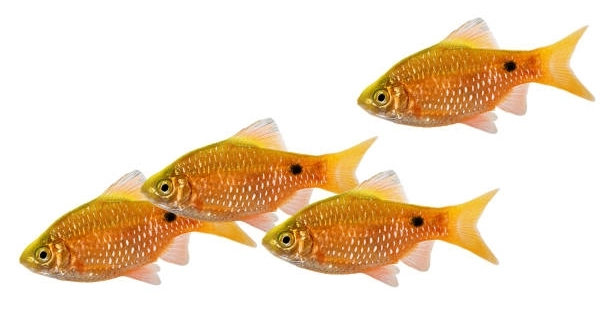
Rosy barbs are lively, colorful fish that brighten any aquarium. They need mental stimulation to stay healthy and active. Without enough activity, these fish can show signs of boredom that often go unnoticed by their owners.
When a rosy barb is bored, it may swim listlessly, lose interest in food, hide frequently, or repeatedly swim in circles. These behaviors indicate a lack of stimulation and can affect the fish’s overall well-being and health.
Recognizing these signs early can help you improve your fish’s environment and keep your rosy barb happy and engaged.
Restlessness and Repetitive Swimming
When rosy barbs feel bored, they often show restlessness in the tank. You might notice them swimming back and forth in a tight pattern or pacing along the glass. This repetitive movement is a sign that they have little to no stimulation in their environment. It can be frustrating for the fish, as they are naturally active and curious creatures. The lack of new objects, hiding spots, or tank mates can make their environment dull. This boredom can lead to stress, which may weaken their immune system and make them prone to illness. Adding decorations or rearranging the tank setup can help break this pattern and give them something new to explore.
Repetitive swimming means your rosy barb needs more engagement in its tank.
Providing varied decorations or companions can reduce restlessness and improve their mental health significantly.
Loss of Appetite
A bored rosy barb may lose interest in food, which can be concerning for any owner. This behavior usually happens when the fish does not feel stimulated or safe in its environment. When they are bored, they might ignore their regular meals or eat less than usual. This is a warning sign because proper nutrition is important for their health and growth. Sometimes, boredom can cause stress, leading to loss of appetite. To help, try offering different types of food or feeding at varied times. Ensuring the tank environment feels safe and engaging can encourage a healthier eating routine and boost their overall mood.
Loss of appetite in rosy barbs is a clear sign of boredom affecting their well-being.
Changing the diet and environment can restore their interest in feeding and improve health over time.
Hiding More Than Usual
Hiding often can mean your rosy barb is feeling bored or stressed. It may retreat to corners or behind decorations more than normal.
When a rosy barb hides frequently, it shows discomfort or lack of stimulation in its tank. Without enough activity or social interaction, the fish can become withdrawn. This behavior limits their exercise and can harm their mental health. Often, the tank may feel too empty or lacking interesting features. Adding plants, rocks, or other hiding spots gives them a choice to explore and feel safe. Also, keeping compatible tank mates nearby can encourage the fish to come out more often and reduce hiding.
Creating a balanced environment that offers both stimulation and safety will help your rosy barb feel less inclined to hide and more engaged with its surroundings.
Lack of Interaction with Tank Mates
Rosy barbs usually enjoy swimming and playing with other fish. When they stop interacting, boredom might be a reason.
Fish that avoid their tank mates or swim separately may be experiencing boredom or stress. This behavior can indicate a lack of engagement in the tank’s environment. Without enough stimulation, rosy barbs might become less social, losing their usual playful nature. Sometimes, overcrowding or incompatible companions cause this behavior, but boredom often plays a key role. Improving tank enrichment with plants, tunnels, or moving decorations can encourage social activity. Introducing new, peaceful fish can also stimulate interaction and help bring back their natural curiosity and playfulness. Monitoring social dynamics is essential to maintain a healthy and lively aquarium.
Color Fading
Color fading in rosy barbs can signal boredom or stress. When they lose their bright colors, it often means they are unhappy or unstimulated.
This dulling of color happens because boredom lowers their overall health and energy. Bright colors usually show a well-fed and active fish. To help restore vibrancy, improving the tank environment and diet is essential.
Aggressive Behavior
Bored rosy barbs may become aggressive toward tank mates. This behavior often arises from frustration or lack of stimulation.
Aggression can disrupt the peaceful balance of your aquarium and stress all fish involved. It may include chasing, nipping fins, or territorial disputes. Ensuring enough space, hiding spots, and keeping a proper number of fish can reduce this behavior. Enriching their environment keeps their minds busy and lowers tension, leading to calmer interactions.
Lethargy
Lethargy is a common sign that your rosy barb is bored. The fish may rest more and move less than usual.
FAQ
How can I tell if my rosy barb is truly bored and not sick?
Boredom and illness can sometimes look similar in rosy barbs. Bored fish often show behaviors like swimming in circles, hiding more, or losing interest in tank mates without other clear signs of illness. Sick fish may have faded colors, clamped fins, or visible signs like spots or swollen areas. Watching your fish closely for a few days helps. If the fish continues eating normally and has no physical symptoms, boredom is more likely. If you notice any signs of disease, a water test and treatment may be needed.
What changes can I make to my aquarium to reduce boredom?
Adding decorations like plants, rocks, or tunnels gives rosy barbs new places to explore. Rearranging the tank layout every few weeks can also keep their environment interesting. Live plants offer hiding spots and improve water quality. Introducing compatible tank mates adds social interaction, which helps fight boredom. Avoid overcrowding, though, as this causes stress. Varying feeding times or offering different types of food can engage their senses and break monotony.
Is keeping rosy barbs in groups important for their mental health?
Yes, rosy barbs are social fish that thrive in groups. Keeping them in small schools of at least six helps prevent boredom and reduces stress. They enjoy swimming together and displaying natural behaviors, which are important for mental stimulation. Isolated fish may become withdrawn or display repetitive behaviors. Group living encourages natural interaction and keeps the fish active and curious.
Can boredom lead to health problems in rosy barbs?
Boredom can cause stress, which weakens the immune system of rosy barbs. Stress makes them more prone to infections and diseases. A bored fish may lose its appetite, become lethargic, or develop fin rot from inactivity and poor water conditions. Preventing boredom through environmental enrichment is important to maintain overall health and longevity.
How often should I change the tank environment to keep my rosy barbs engaged?
Changing the tank setup every 3 to 6 weeks is a good rule of thumb. Small adjustments like moving plants, adding new decorations, or rearranging rocks can provide fresh stimulation. Sudden major changes can cause stress, so it’s best to introduce changes gradually. Regularly cleaning the tank while rearranging elements keeps the habitat healthy and interesting.
What types of food can help keep my rosy barb interested during feeding?
Offering a varied diet keeps rosy barbs curious and engaged. Use high-quality flakes or pellets as a base. Supplement with live or frozen foods like brine shrimp, bloodworms, or daphnia for excitement. Occasionally adding vegetable matter like blanched spinach or peas adds variety. Changing food types and feeding times can help prevent boredom at mealtime.
Can a lack of exercise contribute to boredom in rosy barbs?
Yes, rosy barbs are active swimmers that need space to exercise. A small or overcrowded tank limits their movement and can cause boredom. A larger tank with plenty of open swimming space encourages natural activity. Providing floating plants or current flow creates dynamic areas that stimulate movement. Regular exercise keeps fish healthy and mentally sharp.
Is it normal for rosy barbs to hide sometimes?
Yes, hiding is natural when they feel threatened or need rest. However, excessive hiding can be a sign of boredom or stress. If your rosy barb is hiding more than usual without obvious threats, it may be time to add more enrichment or check water quality. Providing both open areas and hiding spots helps balance their comfort and curiosity.
What tank mates are best to keep with rosy barbs to avoid boredom?
Choose peaceful, active fish that swim in similar areas, like danios, tetras, or other barbs. Avoid aggressive or very shy species that might stress your rosy barbs or be ignored. A well-chosen community tank promotes interaction and reduces boredom. Introduce new tank mates slowly to avoid conflict and monitor behavior closely.
How important is water quality in preventing boredom-related issues?
Water quality directly affects fish health and behavior. Poor water conditions can cause stress, which worsens boredom symptoms like lethargy or loss of appetite. Regular water changes, filtration, and monitoring of ammonia, nitrite, and nitrate levels keep the tank safe. A healthy environment supports your rosy barbs’ energy and willingness to explore, preventing boredom-related problems.
Rosy barbs are lively fish that need a stimulating environment to stay healthy and happy. When they become bored, they show behaviors that can affect their well-being, such as hiding too much, swimming repetitively, or losing interest in food. Recognizing these signs early is important to help improve their living conditions. A simple change in their tank, like adding plants, decorations, or new companions, can make a big difference. These changes provide mental stimulation and reduce stress, which helps keep your fish active and colorful.
It is also important to remember that rosy barbs are social fish. They feel safer and more comfortable when kept in groups of at least six. Being around other fish allows them to interact and display natural behaviors, which helps prevent boredom. If a rosy barb is isolated or the tank is too small, it can quickly become stressed or withdrawn. Making sure the tank is spacious enough and has places to explore is key. Regularly changing the tank setup or introducing new hiding spots can keep the environment interesting for your fish.
Taking care of a rosy barb’s mental health is just as important as maintaining good water quality and feeding habits. When fish are bored, they may become lethargic or show signs of illness. Keeping the aquarium clean, feeding a varied diet, and creating an engaging habitat can prevent these problems. Paying attention to your fish’s behavior and acting quickly when you notice changes can help them live a longer and happier life. A well-stimulated rosy barb is a healthy one, and small adjustments in their care routine can have a lasting positive impact.

Hello,
If you enjoy the content that we create, please consider saying a "Thank You!" by leaving a tip.
Every little bit helps us continue crafting quality advice that supports the health, happiness, and well-being of pets around the world, for pets of all shapes, sizes, and species.
We really appreciate the kindness and support that you show us!