
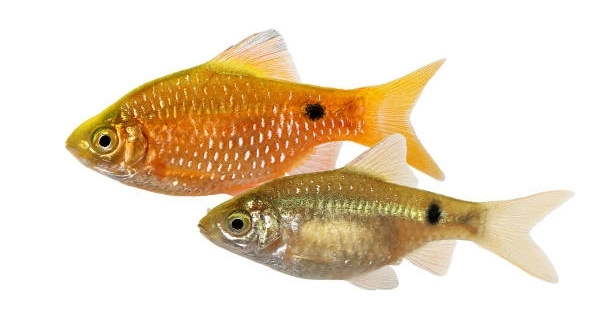
Rosy barbs are small, colorful fish often kept in home aquariums. Their behavior can vary, sometimes appearing bold and other times more reserved. Observing these shifts helps us understand their nature better.
Rosy barbs exhibit a range of behaviors that suggest varying levels of confidence or shyness depending on their environment and social interactions. Factors such as tank size, companions, and stress levels significantly influence their outward demeanor.
Learning about what affects their behavior can improve how we care for these lively fish and create a better environment for them to thrive.
Understanding Rosy Barbs’ Social Behavior
Rosy barbs are naturally social fish. They feel safer and more confident when kept in groups of five or more. When alone or in too small a group, they may hide more often or seem shy. In a well-set aquarium with enough space, they swim actively, showing off their bright colors. The presence of other fish also affects how they behave. If the tank has aggressive or very large fish, rosy barbs tend to stay in hiding, appearing nervous. Stress from overcrowding or poor water quality can make them less active and more withdrawn. Observing these fish in different settings shows how social comfort influences their confidence. Providing proper tank mates and a calm environment helps rosy barbs display their natural, lively behavior.
Proper group size and tank conditions encourage rosy barbs to be more outgoing and less shy.
Being mindful of their social needs allows you to create a balanced aquarium where rosy barbs feel secure and vibrant. This results in healthier fish that show their true personality and colors clearly. Regular observation helps you adjust their environment as needed to maintain their comfort and well-being.
Environmental Factors Affecting Confidence
Lighting and hiding spots affect rosy barbs’ confidence.
Bright lights or no places to hide can make rosy barbs feel exposed and nervous. They prefer moderate lighting with plants or decorations to retreat to when needed. Without these, they may stay close to the bottom or corners of the tank, showing hesitation. A well-decorated tank mimics their natural habitat, helping reduce stress. The water temperature and cleanliness also play a role; stable, clean water keeps them comfortable and more likely to explore. Changing water conditions or sudden disturbances cause them to act shy or jumpy. By adjusting these environmental factors, you encourage rosy barbs to become more confident and active swimmers.
Maintaining the right environment ensures rosy barbs remain comfortable and show their lively nature more often. Creating a stable, welcoming habitat is essential to their confidence and overall health.
Recognizing Confidence in Rosy Barbs
Confident rosy barbs swim openly and interact with their surroundings actively. They explore the entire tank and approach food quickly without hesitation.
When rosy barbs feel secure, they display bright colors and swim in the middle or upper areas of the tank. They often chase each other playfully and show little fear of humans nearby. Confident fish are curious and respond quickly to feeding times, swimming eagerly toward the surface. This behavior signals a healthy, stress-free environment where their needs are met.
In contrast, shy rosy barbs stay hidden among plants or decorations and avoid open spaces. They may dart away when disturbed and show duller colors. Observing these behaviors helps identify their comfort level and adjust care accordingly.
Signs of Shyness and Stress
Shy rosy barbs hide more often and avoid bright areas.
Stress or fear causes rosy barbs to reduce activity and lose their vibrant colors. They may cling to tank corners or beneath plants, rarely venturing out. Changes like loud noises, sudden movements, or poor water quality increase their stress. Shy fish eat less and may become vulnerable to illness. Recognizing these signs early can help prevent further issues. Providing a calm environment with stable water parameters and suitable companions reduces stress and encourages rosier, more confident behavior over time.
How Tank Size Influences Behavior
Smaller tanks can make rosy barbs feel cramped and stressed, leading to shy behavior. They need enough space to swim freely and show confidence.
A larger tank offers more room to explore and reduces stress from overcrowding. Providing at least 20 gallons for a small group helps maintain their well-being and active behavior.
The Role of Tank Mates
Choosing peaceful tank mates helps rosy barbs stay confident and less stressed. Aggressive fish often cause them to hide or become timid, affecting their natural behavior.
Feeding Habits and Confidence
Rosy barbs that feel secure approach food eagerly and eat without hesitation. Feeding them regularly and with variety encourages this behavior.
Impact of Water Quality
Poor water quality quickly affects rosy barbs’ health and confidence. Keeping water clean and stable is crucial for their comfort and activity.
How can I tell if my rosy barbs are shy or confident?
Confident rosy barbs swim actively around the tank, show bright colors, and come forward quickly during feeding. Shy ones hide often, stay close to plants or tank corners, and may dart away if disturbed. Watching their swimming patterns and response to food gives clear clues about their mood.
What causes rosy barbs to be shy?
Several factors can make rosy barbs shy. Small tank size, aggressive tank mates, poor water quality, and lack of hiding spots often cause stress and timidity. Sudden changes in their environment or loud noises can also trigger nervous behavior. Ensuring a calm, stable habitat helps reduce shyness.
Can rosy barbs become more confident over time?
Yes, they can. When their environment improves, such as better water conditions, suitable companions, and enough space, shy rosy barbs often grow bolder. Regular feeding and gentle interaction also build their trust and encourage more active behavior.
How many rosy barbs should I keep together?
Keeping at least five rosy barbs together is ideal. They are schooling fish and feel more confident in groups. Small groups or solitary fish tend to hide more and show less natural behavior. A larger group promotes social interaction, reducing stress and shyness.
What tank size is best for rosy barbs?
A tank of at least 20 gallons is recommended for a small group of rosy barbs. This provides enough swimming space and helps maintain stable water conditions. Smaller tanks can cause stress, leading to shy behavior and health problems.
What tank mates work well with rosy barbs?
Peaceful and similarly sized fish are best companions. Avoid aggressive or very large species that can intimidate rosy barbs. Good tank mates include danios, guppies, and small tetras. Compatible companions help keep rosy barbs confident and active.
How does lighting affect rosy barbs’ behavior?
Moderate lighting with some shaded areas helps rosy barbs feel secure. Too bright lighting can stress them, making them hide more. Including plants or decorations offers shelter and helps create a comfortable environment where they can relax and show confidence.
What should I feed rosy barbs to keep them confident?
A varied diet of flakes, pellets, and occasional live or frozen foods keeps rosy barbs healthy and energetic. Consistent feeding routines help them associate feeding times with safety, encouraging bolder behavior and regular activity.
How often should I clean the tank to support rosy barbs’ confidence?
Regular water changes, about 20-30% weekly, maintain clean, stable conditions. Clean water reduces stress and prevents illness, allowing rosy barbs to stay active and confident. Monitoring water parameters is important to avoid sudden changes that could cause nervousness.
Can handling or tapping the tank affect rosy barbs?
Yes, tapping or frequent disturbances cause stress and make rosy barbs shy or jumpy. Minimizing sudden movements or noise near the tank helps maintain a calm environment, allowing them to feel safe and display confident behavior.
Rosy barbs are lively fish that show different behaviors based on their environment and care. Their confidence or shyness depends largely on how comfortable they feel in their tank. When they have enough space, good water quality, proper lighting, and peaceful tank mates, they tend to be more active and bold. On the other hand, stressful conditions like overcrowding, poor water, or aggressive companions can make them hide and seem shy. Paying attention to these factors helps ensure rosy barbs live healthy and happy lives.
Understanding how rosy barbs behave allows us to meet their needs better. For example, keeping them in groups of five or more supports their social nature and encourages confident swimming. Providing hiding spots and moderate lighting helps reduce stress and makes them feel secure. Regular feeding with a balanced diet keeps them energetic and responsive. These simple steps create an environment where rosy barbs can thrive and display their natural colors and lively personalities.
Taking care of rosy barbs means watching for signs of stress or discomfort and adjusting their environment as needed. If they seem shy, it could be a sign to check tank size, water quality, or tank mates. Making changes gradually and maintaining a stable habitat will help them become more confident over time. By giving rosy barbs the right care, you support their well-being and enjoy their bright, active presence in your aquarium.

Hello,
If you enjoy the content that we create, please consider saying a "Thank You!" by leaving a tip.
Every little bit helps us continue crafting quality advice that supports the health, happiness, and well-being of pets around the world, for pets of all shapes, sizes, and species.
We really appreciate the kindness and support that you show us!