
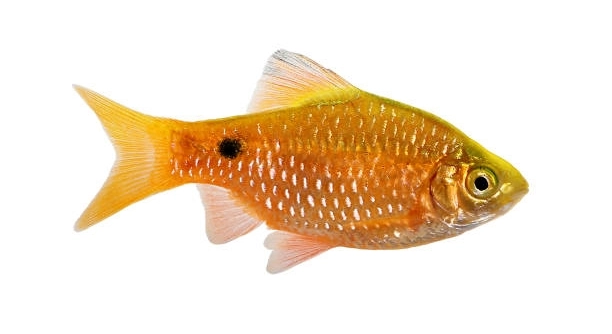
Rosy barbs are popular freshwater fish known for their lively behavior and bright colors. They often act differently depending on various conditions around them. Understanding these changes can help keep them healthy and happy.
Rosy barbs display different behaviors due to factors such as water quality, tank environment, social dynamics, feeding habits, and breeding cycles. These influences alter their activity, coloration, aggression, and interaction patterns. Recognizing these factors aids in better care and management.
Knowing why rosy barbs act differently will help you create a better environment for them. This article explains seven common situations that change their behavior and how to respond effectively.
Changes in Water Temperature
Rosy barbs are sensitive to shifts in water temperature, which can directly influence their behavior. When the water becomes too warm, they tend to become more active and restless, swimming faster and exploring more. On the other hand, cooler water can slow them down, making them less lively and sometimes hiding more often. Sudden temperature changes can stress these fish, leading to unusual behavior or even health problems. Maintaining a stable temperature between 68°F and 78°F is ideal for their well-being. It’s important to avoid quick fluctuations by using reliable heaters and monitoring the tank regularly. Gradual changes allow rosy barbs to adjust comfortably, preventing stress and keeping their behavior normal. Temperature plays a key role in their daily activities and mood, affecting everything from feeding to social interaction.
Keeping water temperature steady helps rosy barbs stay calm and behave naturally.
Stable temperatures support healthier fish and reduce unexpected behavioral shifts, ensuring a peaceful tank environment.
Social Interaction and Group Behavior
Rosy barbs are schooling fish that feel safer and behave more naturally when kept in groups. Alone, they often become shy or stressed, which can cause them to hide or act nervously. In a group of five or more, they show more confident and active behavior, swimming together and displaying their bright colors more vividly. Their social nature means they communicate through movement and proximity, sometimes showing dominance or playfulness. However, overcrowding can increase aggression, so it’s important to balance group size with tank space. Observing how they interact helps in understanding their needs and adjusting their environment accordingly. Group behavior influences their feeding habits, territorial displays, and overall health, so proper social settings are essential for a thriving rosy barb community.
Feeding Behavior Variations
Rosy barbs change their feeding habits based on hunger, food type, and tank conditions. They can be eager or picky depending on these factors.
Their appetite often increases when food is varied and fresh. They prefer small, frequent meals rather than one large feeding. When food quality drops or feeding times become irregular, they might lose interest or become aggressive around feeding time. Stress or illness also affects their eating behavior, causing them to eat less or refuse food. Monitoring their feeding habits helps detect health or environmental issues early. Adjusting diet and feeding schedules improves their overall well-being and activity.
Changes in water conditions or social dynamics can also affect feeding. For example, dominant fish may eat more, while shy ones get less access to food. Ensuring even food distribution and maintaining tank balance reduces competition and stress, supporting healthier feeding behavior for all rosy barbs.
Breeding and Mating Behavior
During breeding season, rosy barbs exhibit increased activity and color intensity. Males become more vibrant to attract females, and their behavior shifts toward chasing and displaying.
This mating period often causes temporary aggression, as males compete for females and territory. Females may become selective, showing less interest in other tank mates. Spawning usually happens early in the morning, with eggs scattered among plants or substrate. After spawning, adults tend to lose interest in the eggs, sometimes eating them if not protected. Providing dense plants or breeding nets can help protect the eggs and fry. Understanding these natural behaviors makes it easier to support successful breeding and keep the tank peaceful during this time.
Tank Size Impact
Rosy barbs need enough space to swim freely. A small tank limits their movement and causes stress.
In cramped conditions, they may become aggressive or hide more often. Providing at least a 20-gallon tank for a small group helps them stay active and healthy.
Lighting Effects on Behavior
Lighting influences rosy barbs’ activity and coloration. Bright, natural light encourages vibrant colors and daytime activity.
Too much light, however, can stress them and cause hiding or erratic swimming. Balanced lighting supports their normal behavior and well-being.
Response to New Tankmates
Introducing new fish can change rosy barbs’ behavior. They may become cautious or territorial initially.
Adjusting slowly and choosing compatible species helps reduce stress and aggression, creating a peaceful community tank.
Why do rosy barbs sometimes hide more than usual?
Rosy barbs tend to hide more when they feel stressed or unsafe. This can happen due to sudden changes in water quality, temperature fluctuations, or new tankmates. Lack of hiding spots in the tank also makes them feel vulnerable. Providing plants, decorations, or caves gives them places to retreat, helping reduce hiding behavior and making them feel secure.
What causes rosy barbs to become aggressive?
Aggression in rosy barbs often results from overcrowding or an imbalanced male-to-female ratio. When too many males are in the tank, they compete for dominance, which leads to chasing and nipping. Stress from poor water conditions or lack of space can also increase aggression. Ensuring proper group sizes, maintaining clean water, and providing enough swimming space helps keep aggression at bay.
Why do rosy barbs sometimes lose their bright color?
Color loss can be a sign of stress, illness, or poor water conditions. It might also occur if they lack proper nutrition or experience sudden environmental changes. Dull coloration often means the fish are uncomfortable or unhealthy. Regular water testing, balanced diets rich in carotenoids, and stable tank conditions encourage vibrant colors.
How do rosy barbs behave during breeding?
During breeding, males become more colorful and active, often chasing females and showing off their fins. Females become selective, and spawning usually happens early in the morning. After spawning, adults may ignore or eat the eggs unless separated. Dense plants or breeding nets help protect the eggs and fry during this time.
Can rosy barbs live with other fish species?
Yes, rosy barbs are generally peaceful but active. They do well with other similarly sized, non-aggressive fish. Avoid slow-moving or long-finned species, as rosy barbs might nip fins. Suitable tankmates include danios, barbs, and larger tetras. Introducing new fish slowly and watching interactions helps maintain harmony.
Why do rosy barbs sometimes swim erratically?
Erratic swimming can be a sign of stress, illness, or poor water quality. Sudden temperature changes, toxins, or parasites may cause this behavior. It might also result from discomfort due to overcrowding or aggressive tankmates. Testing water parameters and observing for disease symptoms can help identify and fix the problem.
How often should rosy barbs be fed?
Feeding rosy barbs small amounts two to three times a day is ideal. They prefer a varied diet of flakes, pellets, and occasional live or frozen foods. Overfeeding can cause water quality issues and health problems, so it’s important to feed only what they can eat within a few minutes.
What tank conditions are best for rosy barbs?
Rosy barbs thrive in a well-maintained tank with stable temperatures between 68°F and 78°F, pH around 6.5 to 7.5, and moderate water hardness. A tank size of at least 20 gallons for a small group is recommended. Good filtration and regular water changes keep their environment healthy and support natural behavior.
Why do rosy barbs sometimes jump out of the tank?
Jumping is often caused by stress, poor water quality, or lack of hiding places. They may also jump if startled by sudden movements or loud noises. Using a secure tank lid and improving tank conditions reduces jumping incidents and keeps the fish safe.
How can I tell if a rosy barb is sick?
Signs of illness include loss of appetite, dull colors, clamped fins, erratic swimming, and visible spots or lesions. Lethargy and hiding more than usual can also indicate health issues. Early detection through regular observation and water testing helps prevent serious problems. Quarantining new fish before introducing them reduces the risk of disease spread.
Rosy barbs are lively fish that can show different behaviors depending on many factors. Understanding why they act differently helps provide better care and a healthier environment. Their behavior can change because of water temperature, tank size, social groups, feeding habits, and even breeding cycles. Each of these influences plays a role in how rosy barbs live and interact with their surroundings. When these conditions are right, rosy barbs are more active, colorful, and social. If something is off, their behavior may change to show stress, discomfort, or health problems.
Taking the time to observe rosy barbs closely makes a big difference. Noticing changes early, such as hiding more, loss of appetite, or aggression, can help address problems before they get worse. It is important to keep the water clean and stable, feed them regularly with a balanced diet, and provide enough space and companions. Rosy barbs enjoy living in groups, so keeping a proper number helps reduce stress and aggression. Adding plants and decorations gives them places to explore and hide, which makes them feel safer.
In the end, caring for rosy barbs means paying attention to their needs and environment. Knowing what causes changes in their behavior allows for quick adjustments to improve their well-being. Each tank is different, so learning what works best for your rosy barbs helps create a peaceful and thriving home for them. These fish can bring joy and color to any aquarium when cared for properly, showing their natural behaviors and bright colors as a sign of good health and comfort.

Hello,
If you enjoy the content that we create, please consider saying a "Thank You!" by leaving a tip.
Every little bit helps us continue crafting quality advice that supports the health, happiness, and well-being of pets around the world, for pets of all shapes, sizes, and species.
We really appreciate the kindness and support that you show us!