
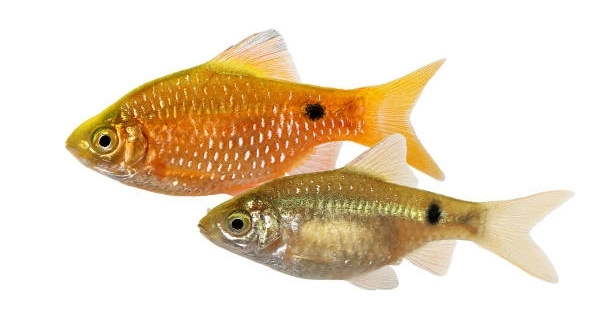
Are your Rosy Barbs acting restless or ignoring their food, even though you’re trying your best to care for them?
Feeding mistakes such as overfeeding, inconsistent schedules, or offering inappropriate food types can significantly increase stress in Rosy Barbs. These errors disrupt their digestion, reduce water quality, and weaken their immune systems over time.
By learning how to avoid these seven common feeding mistakes, you can create a calmer, healthier environment for your Rosy Barbs to thrive.
Overfeeding Without Realizing It
Rosy Barbs are active fish, and it’s easy to assume they need a lot of food. However, giving them too much can quickly cause problems. Excess food sinks to the bottom, breaking down and clouding the water. This affects the water quality, which can stress your fish and harm their health. Rosy Barbs also tend to eat whatever is available, even if they aren’t hungry, which can lead to bloating and digestive issues. Feeding small amounts once or twice a day is usually enough. It’s better to underfeed slightly than to overfeed. If they can eat everything in about two minutes, you’re on the right track. Any leftovers should be removed to prevent waste from building up in the tank. Keeping their feeding routine consistent and controlled helps maintain clean water and stable conditions.
Leftover food not only stresses your fish but also encourages harmful bacteria and algae growth in the tank.
Watch your Rosy Barbs closely after feeding. If they seem sluggish or have swollen bellies, it may be a sign that they’re getting too much food. Scaling back gradually and observing their behavior will help you find the right amount. A small adjustment can lead to big improvements in their mood and activity.
Feeding an Unbalanced Diet
Rosy Barbs need a variety of nutrients to stay healthy. Feeding them only flakes or pellets may seem convenient, but it limits their access to key vitamins and minerals. While commercial fish food is fine as a base, it shouldn’t be the only thing they eat.
Supplementing with occasional treats like blanched vegetables, frozen bloodworms, or daphnia can help balance their diet. These foods add natural nutrients and keep mealtime more interesting for your fish. It also helps prevent picky eating habits. You don’t need to feed them extras every day—just once or twice a week is enough. Always remove uneaten food quickly so it doesn’t sit in the tank and spoil the water. Rotating different food types also keeps them from becoming bored and encourages natural foraging behavior. Providing variety in their meals can make a real difference in their energy levels, appearance, and resistance to illness.
Feeding at Inconsistent Times
Feeding your Rosy Barbs at different times each day can cause them stress. Fish do best with routine, and irregular feeding can lead to anxiety, aggression, or sluggish behavior as they struggle to adjust.
When you feed them at random times, their internal rhythm gets disrupted. This can impact digestion and energy levels throughout the day. Consistency helps them feel secure, as they begin to recognize a regular pattern. A set feeding time trains them to expect food, keeping their metabolism and behavior balanced. Try feeding them in the morning and again in the early evening, if needed. Even spacing between meals gives their bodies time to process food. If you’re unable to stick to a routine, consider using an automatic feeder. This will help maintain a predictable schedule, reduce stress, and make it easier to track any changes in their eating habits or appetite.
Once they get used to a steady routine, you’ll notice more stable behavior. They’ll swim more confidently, show clearer feeding responses, and become less reactive to changes in their environment. A calm, predictable tank setup supports both physical health and emotional comfort. Routine also makes it easier to spot any irregularities early, like missed meals or strange swimming patterns.
Using Low-Quality Food
Some inexpensive fish foods lack proper nutrients and are packed with fillers that do little for your Rosy Barbs. Over time, this can affect their color, energy, and overall health, leading to higher stress and more frequent illnesses.
It’s important to read ingredient labels before choosing a food. Look for options with real protein sources like fish meal or shrimp meal listed near the top. Avoid foods that list soy, corn, or wheat as the main ingredients, since these offer limited nutritional value. A higher-quality diet helps maintain strong immune systems, vibrant color, and steady energy levels. You don’t need to spend a lot—just choose wisely. A reliable food blend with balanced nutrients and minimal fillers is worth the investment. Also, check the expiration date. Old food can lose nutrients and spoil. If your fish seem uninterested or inactive, switching to better food can make a noticeable difference in a short time.
Feeding in a Crowded Tank
In tanks with too many fish, Rosy Barbs may not get enough food. They can become aggressive or anxious while competing during mealtimes. This often leads to uneven feeding, with some fish overeating and others going hungry.
Stress increases when weaker fish are pushed away from food. Over time, this can affect their health, cause weight loss, or lead to illness. Make sure all fish have access to food by spacing it out across the tank and monitoring each feeding session closely.
Feeding Only at the Surface
Rosy Barbs often eat at the surface, but they also explore other levels of the tank. Feeding only floating food can leave bottom-feeders or slower fish without enough to eat. Try mixing floating and sinking foods to reach all fish. It helps reduce stress and improves overall feeding balance.
Ignoring Feeding Behavior
If Rosy Barbs show less interest in food, it’s often a sign of stress or illness. Ignoring this can lead to more serious issues. Track their appetite and behavior during feeding to catch problems early.
How often should I feed my Rosy Barbs?
Feeding your Rosy Barbs once or twice a day is usually sufficient. They have small stomachs and don’t need constant feeding. Giving them only what they can eat in about two minutes prevents overfeeding and water pollution. Spacing out meals also helps maintain their digestion and energy levels. If you notice leftover food, reduce the amount next time to keep the tank clean and the fish healthy.
What types of food are best for Rosy Barbs?
A balanced diet including high-quality flakes or pellets designed for tropical fish forms the base of their nutrition. Supplementing with frozen or live foods like bloodworms, brine shrimp, or daphnia adds protein and variety. Blanched vegetables such as spinach or peas provide fiber and important nutrients. Avoid feeding only one type of food to prevent nutrient deficiencies and keep their interest. Variety also supports their immune system and bright coloration.
Can overfeeding harm my Rosy Barbs?
Yes, overfeeding is one of the main causes of stress and health problems in Rosy Barbs. Uneaten food breaks down in the tank, leading to poor water quality and toxic ammonia buildup. Overeating can cause digestive issues like bloating or constipation, weakening your fish. It also encourages obesity, which affects their mobility and lifespan. Always feed small portions and remove any excess food promptly to avoid these issues.
Is it okay to feed Rosy Barbs at random times?
Feeding at inconsistent times can disrupt their natural rhythm and cause stress. Fish benefit from routine, which helps regulate digestion and behavior. Predictable feeding times make your Rosy Barbs feel secure and can improve their appetite and activity. Try to feed them at the same times each day, ideally once in the morning and once in the evening if needed. If you can’t always be available, an automatic feeder can help maintain a steady schedule.
Why does my Rosy Barb ignore food sometimes?
When your Rosy Barb refuses food, it might be stressed, ill, or experiencing poor water conditions. Changes in temperature, water quality, or tankmates can affect their appetite. Sometimes, they simply don’t like the food offered. Monitor their behavior closely and check water parameters to rule out environmental causes. Offering different types of food or adjusting feeding times can help rekindle their interest in eating.
Should I feed my Rosy Barbs floating or sinking food?
Rosy Barbs feed at multiple levels in the tank, so providing both floating and sinking foods is best. Floating flakes allow them to eat at the surface, while sinking pellets or treats reach the middle and bottom levels. This ensures all fish in the tank, including slower or shy ones, get their share. Offering a mix of food types promotes balanced nutrition and reduces stress caused by competition.
How do I know if I’m feeding too much?
If you notice leftover food after feeding, cloudy water, or your fish appearing bloated or sluggish, these are signs of overfeeding. Uneaten food should disappear within a couple of minutes during feeding. Feeding smaller amounts and observing your fish’s behavior helps avoid these problems. Regular water testing can also indicate if excess nutrients from food are impacting water quality.
Can feeding mistakes affect Rosy Barbs’ color?
Yes, poor nutrition or overfeeding can dull your Rosy Barbs’ vibrant colors. A balanced diet rich in natural pigments from foods like shrimp or spirulina supports bright, healthy coloration. Stress caused by feeding errors also weakens their immune system and reduces color intensity. Consistently feeding high-quality, varied food helps maintain their beautiful appearance.
What should I do if my Rosy Barbs seem stressed during feeding?
If your fish show signs of stress like hiding, aggression, or erratic swimming, review your feeding routine. Ensure you’re not overfeeding or feeding too much at once. Check tank size and population, as overcrowding can increase competition. Feeding smaller portions more frequently and spreading food over a wider area helps reduce stress. Maintaining good water quality and a stable environment also supports calm behavior during mealtime.
Is live food necessary for Rosy Barbs?
Live food isn’t strictly necessary but can be a valuable addition. It encourages natural hunting instincts and provides fresh protein, which boosts health and activity. If you don’t have access to live food, frozen or freeze-dried alternatives work well. Offering live food occasionally adds variety without overwhelming their diet. Always ensure live food is from a safe, parasite-free source to avoid introducing diseases.
Feeding Rosy Barbs correctly is key to keeping them healthy and stress-free. Avoiding common mistakes like overfeeding, irregular feeding times, and poor-quality food can make a big difference in their well-being. These fish thrive best when given a balanced diet, consistent feeding schedule, and clean tank environment. Paying close attention to their behavior during and after feeding helps identify any issues early on. This way, you can adjust their care before small problems turn into bigger health concerns.
It’s important to remember that Rosy Barbs have simple needs but do require thoughtful care. Feeding them a variety of foods, including flakes, pellets, and occasional live or frozen treats, supports their nutrition and keeps them active. Overfeeding can harm both the fish and the tank’s water quality, so it’s better to feed smaller amounts that they can finish quickly. Keeping a steady routine gives your Rosy Barbs a sense of security and helps regulate their metabolism. Observing how they respond to your feeding habits will help you improve their diet and reduce stress.
Taking time to learn about the right feeding practices for Rosy Barbs is a valuable step toward creating a healthy aquarium. With patience and attention, you can build a feeding routine that meets their needs without causing harm. This not only helps your fish live longer but also makes your tank a more enjoyable place to watch. Consistent care and proper feeding will let your Rosy Barbs show their best colors and lively behavior, making your aquarium a peaceful and thriving environment.

Hello,
If you enjoy the content that we create, please consider saying a "Thank You!" by leaving a tip.
Every little bit helps us continue crafting quality advice that supports the health, happiness, and well-being of pets around the world, for pets of all shapes, sizes, and species.
We really appreciate the kindness and support that you show us!