
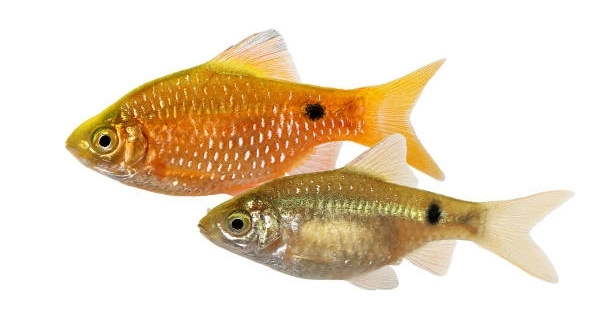
Rosy barbs are lively fish that add color to any aquarium. Sometimes, however, their interactions can show signs of stress or conflict. Recognizing these signs early helps keep your fish healthy and peaceful in their environment.
When rosy barbs do not get along, they often display behaviors such as chasing, nipping, hiding, or changes in appetite. These signs indicate stress or aggression that can affect their well-being and disrupt the tank’s harmony.
Knowing how to identify and respond to these behaviors can improve your fish’s quality of life and help maintain a balanced aquarium community.
Aggressive Chasing and Nipping
Aggressive chasing and nipping are clear signs your rosy barbs are not getting along. When one fish constantly pursues another, it causes stress and injury. Nipping at fins is common in overcrowded tanks or when there is a lack of hiding spots. These behaviors can lead to torn fins and infections. To reduce aggression, consider providing more space, adding plants, or rearranging decorations to create hiding areas. Observing how often the chasing occurs helps determine if the problem is severe or occasional. Sometimes introducing new tank mates or adjusting the group size can improve social dynamics. It is important to act quickly before injuries worsen and affect the overall health of your fish.
Aggressive behavior usually intensifies if ignored, so monitoring your tank regularly is essential.
Addressing chasing and nipping promptly helps restore peace and prevents long-term damage. Changing the environment or the group’s composition can often calm tensions and improve the fish’s wellbeing significantly.
Signs of Stress and Hiding Behavior
When rosy barbs hide frequently, it often indicates stress or discomfort.
Stress can come from bullying, poor water conditions, or sudden changes in the tank environment. Hiding reduces exposure to perceived threats but also limits their access to food and social interaction. Barbs that stay hidden may appear duller and less active, which can be an early warning sign. Regular water testing and maintaining consistent conditions are essential to reduce stress. Observing the tank layout for areas where fish can feel secure without being trapped helps improve their comfort. Sometimes adding more plants or decorations encourages natural behavior and decreases hiding. It is important to check for other signs like loss of appetite or unusual swimming patterns, as these might indicate illness. Keeping a calm, stable environment promotes better interaction among your rosy barbs.
Loss of Appetite and Changes in Behavior
Loss of appetite often signals that rosy barbs are stressed or unwell. When fish stop eating or eat less, it usually reflects discomfort from social tension or health issues. Monitoring their feeding habits helps catch problems early.
Reduced feeding can weaken fish, making them more vulnerable to disease. Stress from conflict or poor water quality can cause this change. Sometimes, dominant fish prevent others from accessing food, increasing stress levels. Keeping a close eye on who eats and how much can reveal underlying problems. Adjusting feeding routines or improving tank conditions often helps restore normal behavior. Feeding smaller amounts more frequently may encourage shy or stressed barbs to eat without competition.
Behavior changes, such as less swimming or hiding more, often accompany appetite loss. These signs together indicate your fish need attention and possibly a change in their environment.
Physical Signs of Injury or Stress
Injuries like torn fins or red marks often appear when rosy barbs fight or stress each other. These signs are easy to spot and should never be ignored.
Stress can cause dull coloration, lethargy, and erratic swimming. These physical changes reflect poor health and an unsafe environment. Immediate action is necessary to prevent worsening conditions. Clean water and a peaceful tank atmosphere support healing. Isolating injured fish can also help them recover faster. Avoid overcrowding to reduce aggressive encounters that lead to injuries.
Regular observation helps catch physical signs early. Prompt treatment and environmental adjustments improve your fish’s chances of recovery and a calm community atmosphere.
Changes in Swimming Patterns
Erratic or sudden changes in swimming often show stress or discomfort among rosy barbs. Fish may dart nervously or stay near the tank bottom more than usual. These behaviors signal tension in the group or environmental problems.
Consistent unusual swimming can indicate illness or injury. Watching these patterns helps identify fish in distress early. Adjusting tank conditions or separating aggressive individuals can improve their behavior.
Overcrowding and Space Issues
Overcrowding increases aggression among rosy barbs by limiting personal space. When too many fish share a small tank, stress and conflict rise quickly. Providing enough space reduces chasing and fighting. Proper stocking levels and tank size are essential for peaceful coexistence.
Poor Water Quality Effects
Poor water quality stresses fish and worsens aggression. Dirty or unbalanced water makes barbs more irritable and prone to illness. Regular testing and maintenance keep water parameters stable. Clean water supports healthy behavior and reduces signs of conflict.
Impact of Tank Decorations
Lack of hiding spots or shelter worsens stress in rosy barbs. Tank decorations and plants create safe areas and reduce aggressive encounters. A well-decorated tank helps fish feel secure and calm.
FAQ
How can I tell if my rosy barbs are stressed?
Stressed rosy barbs often hide more, lose appetite, or swim erratically. You might notice faded colors or torn fins. Stress can show through aggressive chasing or nipping. Regular observation helps spot these signs early so you can act quickly.
What causes rosy barbs to fight?
Fighting usually results from overcrowding, lack of hiding spots, or poor water quality. Dominance struggles are common in smaller tanks. Stress from sudden changes or incompatible tank mates can also increase aggression. Ensuring enough space and a balanced environment reduces conflicts.
How much space do rosy barbs need?
Each rosy barb needs about 2 gallons of water. Overcrowding increases stress and aggression. A group of six should have at least a 12-gallon tank, but larger is always better. More space means less competition and calmer fish.
What tank setup helps reduce aggression?
Provide plenty of plants and decorations for hiding places. A varied environment helps break sight lines and reduces chasing. Soft substrate and moderate lighting create a comfortable setting. Keep water clean and stable to lower stress.
Can changing tank mates improve rosy barb behavior?
Yes, some fish may provoke aggression. Avoid aggressive or very passive species that upset the social balance. Compatible tank mates are active but non-aggressive fish of similar size. Introducing new fish slowly helps ease tensions.
How often should I check water quality?
Testing water weekly is ideal. Key parameters are ammonia, nitrite, nitrate, pH, and temperature. Poor water quality stresses fish and worsens fighting. Regular water changes keep conditions safe and healthy for rosy barbs.
What should I do if a fish gets injured?
Isolate injured fish in a separate tank or quarantine box. Treat any wounds with aquarium-safe medication. Improve tank conditions to prevent further injuries. Keep the main tank calm and stress-free to encourage healing.
Is feeding routine important for reducing conflict?
Yes, feeding smaller amounts multiple times daily can reduce competition. Ensure all fish get food by spreading it evenly or using feeding rings. Avoid overfeeding to keep water quality high and fish healthy.
Can adding more rosy barbs help reduce aggression?
Sometimes increasing group size helps distribute aggression more evenly. A larger school encourages natural schooling behavior and reduces bullying. However, only do this if the tank size can support more fish.
How long does it take for rosy barbs to settle after adding new fish?
Adjustment can take a few days to a couple of weeks. During this time, watch for aggressive behavior and intervene if necessary. Providing hiding spots and keeping the environment stable helps them settle faster.
Rosy barbs are lively and colorful fish that bring energy to any aquarium. However, when they do not get along, their behavior can quickly turn stressful for both the fish and the keeper. Recognizing the signs of conflict early on is important. These signs include chasing, nipping, hiding, loss of appetite, and changes in swimming patterns. Each sign points to discomfort or stress that, if left unchecked, can harm the fish’s health. By paying attention to these signals, you can take timely action to improve the tank environment and reduce aggression. A peaceful aquarium is essential for the well-being of rosy barbs and ensures they live longer and happier lives.
Managing aggression among rosy barbs requires a combination of proper tank setup and regular care. Providing enough space and hiding places helps reduce tension between fish. Overcrowding is a common cause of fighting, so keeping an appropriate number of fish for your tank size is key. Clean water and stable conditions also play a vital role in reducing stress. Regular water testing and maintenance are necessary to maintain a healthy environment. If injuries occur, isolating and treating affected fish quickly prevents further complications. Sometimes, adjusting the group size or changing tank mates can also help restore harmony. These steps work together to create a balanced and calm community where your rosy barbs can thrive.
Keeping rosy barbs happy and healthy takes observation and consistent effort. Their social nature means they need attention to their interactions as much as to their physical needs. By understanding their behaviors and addressing problems as they arise, you improve not only the fish’s quality of life but also your enjoyment as an aquarium keeper. With proper care and a peaceful tank environment, rosy barbs can display their beautiful colors and active personalities without stress or conflict. Paying close attention and making necessary adjustments ensures your aquarium remains a stable, pleasant home for these charming fish.

Hello,
If you enjoy the content that we create, please consider saying a "Thank You!" by leaving a tip.
Every little bit helps us continue crafting quality advice that supports the health, happiness, and well-being of pets around the world, for pets of all shapes, sizes, and species.
We really appreciate the kindness and support that you show us!