
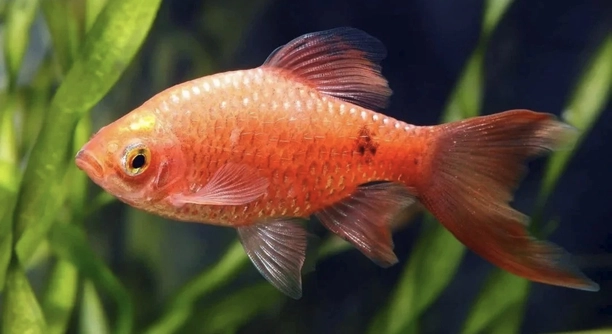
Rosy Barbs are small, colorful fish often kept in home aquariums. They are known for their lively behavior and unique swimming patterns. Among these patterns, swimming upside down is especially interesting to many fish enthusiasts.
Rosy Barbs swim upside down mainly due to a condition called swim bladder disorder. This disorder affects their buoyancy control, causing them to invert while swimming. Factors like diet, water quality, and genetics can contribute to this condition.
Understanding why Rosy Barbs swim this way can help fish owners better care for their pets. Learning about their behavior and health needs ensures a happier, healthier aquarium environment.
What Is Swim Bladder Disorder?
Swim bladder disorder is a common issue in many fish, including Rosy Barbs. The swim bladder is an internal organ that helps fish control their buoyancy, allowing them to float or sink in the water easily. When this organ is not functioning properly, the fish may have trouble swimming normally. This can cause them to swim upside down or tilt at strange angles. Poor diet, sudden changes in water temperature, or infections can all lead to swim bladder problems. In Rosy Barbs, overfeeding or feeding foods that expand in the stomach, like dry flakes, often triggers this disorder. Poor water conditions also stress the fish, making it harder for their bodies to work correctly. To avoid this, maintaining a balanced diet and clean water is essential. Watching their behavior closely can help catch the problem early and improve their chances of recovery.
Swim bladder disorder does not always affect the whole fish’s health, but it can be a sign that care conditions need improvement. Early attention can prevent serious issues.
Keeping your aquarium stable and providing a diet rich in fiber and variety can help prevent swim bladder problems. Regular water testing and avoiding sudden changes will also support your Rosy Barbs’ health.
Diet and Environment Effects
Feeding habits and tank environment play a big role in how well Rosy Barbs swim. When they eat too much or consume foods that swell inside their stomachs, it can lead to digestive troubles that affect the swim bladder. Foods like frozen or live bloodworms, daphnia, or specially prepared pellets are better choices for them. Clean water with stable temperature and low levels of ammonia and nitrites helps keep their bodies healthy. Overcrowded tanks and sudden movements in water quality can stress the fish and cause problems. Regular partial water changes and keeping the tank at the right temperature between 72 and 78 degrees Fahrenheit support normal behavior. Providing enough space to swim freely also reduces stress. Watching how your fish respond to feeding and changes in the tank can give important clues to their well-being.
Proper diet and environment management are key to helping Rosy Barbs avoid swim bladder disorder and stay active. Fish with balanced diets and clean tanks usually swim normally and show bright colors.
Taking time to adjust feeding routines and maintain good tank habits is a simple way to care for Rosy Barbs. Avoiding common mistakes like overfeeding and letting the water quality slip ensures they swim happily and live longer.
Signs to Watch For
Rosy Barbs swimming upside down often show other signs like difficulty maintaining balance or floating unevenly. They may also lose appetite or appear lethargic. These symptoms indicate a problem that needs attention quickly to avoid worsening health.
Observing your fish daily helps catch early signs of swim bladder issues. Sudden changes in swimming behavior are a clear signal something is wrong. Look for tilting, floating on one side, or struggling to stay upright. If your Rosy Barbs stop eating or become less active, it may be linked to this disorder. Early care can improve their condition and prevent permanent damage. Regular checks of water quality and feeding habits are important to identify causes and fix problems quickly.
Addressing these symptoms early by adjusting care routines and improving tank conditions can often help your fish recover fully. Ignoring signs can lead to more serious health problems or even death.
How to Help Your Rosy Barbs
Adjusting diet is a simple but effective way to support fish with swim bladder issues. Feeding smaller portions and using soft, easy-to-digest foods like peas or daphnia can reduce pressure on their swim bladder. Avoid overfeeding and fast your fish for a day or two to help clear their system.
Keeping the tank clean and stable is just as important. Regular water changes and maintaining proper temperature reduce stress. Avoid overcrowding and sudden changes in water conditions. Adding plants or decorations gives fish places to rest if they feel unbalanced. Using a gentle water flow can prevent them from struggling against strong currents. If symptoms persist, consulting a vet or experienced aquarist can guide further treatment options. Patience and careful observation are key to helping Rosy Barbs regain normal swimming behavior.
Common Mistakes to Avoid
Overfeeding is one of the most frequent mistakes that lead to swim bladder problems in Rosy Barbs. Feeding too often or giving large amounts of food can cause digestive issues that affect their buoyancy.
Sudden changes in water temperature or poor water quality also stress fish. Avoid neglecting regular tank maintenance to keep conditions stable and healthy for your Rosy Barbs.
Tank Setup Tips
A well-maintained tank helps prevent many health issues, including swim bladder disorder. Keep the water clean with regular changes and use a good filtration system. Maintain a stable temperature between 72 and 78 degrees Fahrenheit. Avoid overcrowding by limiting the number of fish to give each enough space. Include live plants and hiding spots to reduce stress. Gentle water flow is better than strong currents to support natural swimming behavior. Monitoring water parameters like pH and ammonia levels keeps the environment safe and comfortable for Rosy Barbs.
When to Seek Help
If your Rosy Barbs continue swimming upside down despite care changes, professional advice may be necessary. Persistent symptoms could signal infection or deeper health issues needing treatment.
FAQ
Why do Rosy Barbs swim upside down sometimes?
Rosy Barbs swim upside down mainly due to swim bladder disorder. This condition affects their ability to control buoyancy, making it hard to stay upright. It can happen because of overfeeding, poor diet, water quality issues, or infections. When the swim bladder is not working well, the fish struggles to balance.
Can swim bladder disorder be cured?
Yes, in many cases, swim bladder disorder can improve with proper care. Adjusting diet by feeding softer, easy-to-digest foods and avoiding overfeeding helps. Maintaining clean water and stable tank conditions also supports recovery. However, if the condition is caused by infection or serious injury, treatment from a vet may be needed.
How can I prevent swim bladder problems in Rosy Barbs?
Preventing swim bladder issues starts with good tank care. Feed your fish a balanced diet with occasional fiber-rich foods like peas to aid digestion. Avoid overfeeding and remove uneaten food promptly. Keep the water clean by doing regular water changes and monitoring parameters like temperature, pH, and ammonia. Providing enough space and avoiding overcrowding reduces stress.
Is it normal for Rosy Barbs to swim upside down occasionally?
Occasional upside-down swimming is not normal and usually signals a problem. If you see this behavior once or twice, check the tank conditions and feeding habits. Persistent upside-down swimming means your fish likely has swim bladder disorder or another health issue that needs attention.
What foods are best for Rosy Barbs with swim bladder issues?
Soft, easily digestible foods are best when your fish has swim bladder problems. Boiled and peeled peas are a popular choice because they help clear the digestive system. Live or frozen daphnia and bloodworms also work well. Avoid dry flakes or foods that expand inside the stomach, which can worsen the disorder.
How often should I feed Rosy Barbs to avoid swim bladder problems?
Feed small amounts once or twice a day to prevent digestive issues. Overfeeding is a common cause of swim bladder disorder. Only give as much food as your fish can eat within a few minutes. Fasting your fish for a day occasionally can help clear their system and reduce risks.
Can water temperature affect Rosy Barbs’ swim bladder?
Yes, sudden changes or extreme temperatures stress fish and can trigger swim bladder problems. Keep the tank temperature steady between 72 and 78 degrees Fahrenheit. Use a reliable heater and thermometer to maintain a stable environment that supports your Rosy Barbs’ health.
Are there any signs that indicate a swim bladder problem besides swimming upside down?
Other signs include difficulty swimming upright, floating on one side, loss of appetite, and lethargy. You may also notice your fish struggling to stay near the bottom or top of the tank. These symptoms should prompt a check of tank conditions and feeding routines to catch issues early.
Is quarantine necessary for a Rosy Barb with swim bladder disorder?
Quarantine is not always required unless there is a suspicion of infection. If your fish’s symptoms continue or worsen, isolating it can prevent spreading disease and make treatment easier. In most cases, improving diet and water quality in the main tank helps the fish recover.
When should I contact a vet about my Rosy Barb’s swimming problem?
Contact a vet if the fish’s swimming does not improve after diet and water adjustments within a week or if other symptoms like bloating, discoloration, or rapid breathing appear. Persistent or severe problems may need medication or specialized care to address infections or other underlying conditions.
Can stress cause Rosy Barbs to swim upside down?
Yes, stress from overcrowding, poor water quality, or sudden changes in the tank can affect their swim bladder and swimming behavior. Reducing stress by keeping a stable environment and avoiding aggressive tank mates can help prevent problems.
How long does it take for a Rosy Barb to recover from swim bladder disorder?
Recovery time varies depending on the cause and care. Mild cases may improve within a few days of changing diet and water conditions. More serious cases can take weeks or need medical treatment. Patience and careful monitoring are important during recovery.
Are there any tank mates that can make swim bladder problems worse?
Aggressive or overly active tank mates can stress Rosy Barbs, worsening swim bladder symptoms. Choose peaceful fish that don’t compete heavily for food or space. A calm community tank helps reduce stress and supports healthier swimming behavior.
Can swim bladder disorder come back after recovery?
Yes, if underlying causes like diet or water quality are not fixed, swim bladder problems can return. Ongoing good care, proper feeding, and clean, stable tank conditions are necessary to prevent recurrence. Regular observation helps catch issues before they become serious.
Is medication always needed for swim bladder issues?
Medication is not always required and should be a last resort after improving diet and tank conditions. If an infection is suspected or symptoms worsen, medication prescribed by a vet may help. Avoid using medicines without proper guidance as they can stress fish further.
Can tank decorations affect Rosy Barbs’ swimming behavior?
Tank decorations can impact swimming if they create strong currents or sharp edges that stress or injure the fish. Choose smooth, stable decorations and place them to allow plenty of swimming space. Plants and hiding spots help reduce stress and encourage natural movement.
Final Thoughts
Rosy Barbs are lively and colorful fish that bring beauty to any aquarium. Their upside-down swimming behavior can seem strange at first, but it usually points to a health issue called swim bladder disorder. Understanding what causes this condition is important to keeping these fish healthy and happy. Problems with buoyancy often come from diet, water quality, or stress, so paying attention to these areas can prevent many issues. When you care for Rosy Barbs with patience and awareness, you help them live longer and more comfortably.
Taking care of Rosy Barbs means more than just feeding them and changing the water. It means learning how their bodies work and what they need to thrive. Swim bladder disorder is one of the more common problems, but it can often be managed by simple steps. Feeding the right foods in small amounts helps avoid digestive troubles that affect swimming. Keeping the tank clean, stable, and not overcrowded creates a safe space for them to move freely. Watching for early signs of distress like odd swimming or loss of appetite allows you to act before the problem gets worse. These small actions make a big difference in your fish’s health.
If you notice your Rosy Barbs swimming upside down or showing other signs of swim bladder issues, don’t ignore it. Adjusting their diet and tank conditions can often help them recover. Sometimes, professional advice or treatment might be needed if the problem is severe or caused by infection. Most importantly, regular care and observation prevent problems from starting. When you provide good care and a healthy environment, Rosy Barbs will reward you with their active and beautiful presence for many years.

Hello,
If you enjoy the content that we create, please consider saying a "Thank You!" by leaving a tip.
Every little bit helps us continue crafting quality advice that supports the health, happiness, and well-being of pets around the world, for pets of all shapes, sizes, and species.
We really appreciate the kindness and support that you show us!