
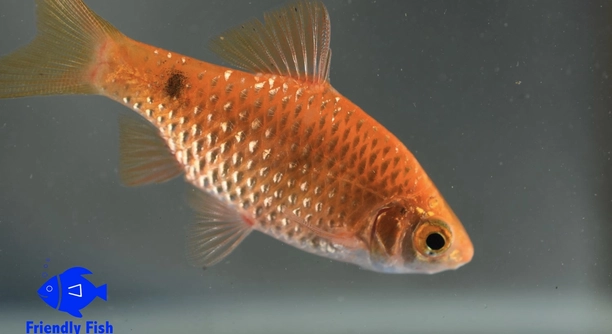
Rosy barbs are lively, colorful fish that brighten any aquarium. Keeping them active during the day helps them stay healthy and happy. Many fish owners look for simple ways to encourage their barbs to swim and explore more.
The best way to keep rosy barbs active involves providing a suitable environment, proper diet, and stimulating their natural behaviors through regular interaction and tank maintenance. These factors promote consistent activity and overall well-being.
This article will share practical tips to help you create the ideal setting for your rosy barbs’ daily activity and enjoyment.
Provide a Spacious and Well-Planted Tank
Rosy barbs need enough room to swim freely and explore. A tank that is too small can make them feel cramped and reduce their activity. Aim for at least 20 gallons for a small group, as these fish like to move in schools. Adding plenty of plants gives them places to hide and explore, which helps reduce stress and encourages natural behavior. Plants also create a more comfortable environment by mimicking their natural habitat. When choosing plants, pick sturdy types like Java fern or Anubias, which can withstand the barbs’ energetic swimming. Open swimming areas combined with planted sections balance safety and activity. Regularly cleaning the tank and checking water quality keeps the environment healthy. Clean water supports their energy levels and helps prevent illness, which can cause lethargy. Keeping the tank well-maintained encourages rosy barbs to stay lively and explore all parts of their home.
A roomy tank with plenty of plants supports both the fish’s physical needs and mental stimulation. This creates a better place for them to stay active throughout the day.
The right tank setup can transform how your rosy barbs behave. Without enough space or hiding spots, they may stay hidden or swim less. Proper plants offer shelter, making them feel secure and more willing to move. Some plants even provide surfaces for algae, which barbs may nibble on, adding to their diet. The water flow should be gentle, as strong currents can tire them out. Providing varied textures and open spaces invites them to swim, explore, and interact naturally. This encourages exercise, which helps keep them healthy and colorful. When your tank mimics their needs, rosy barbs show more of their natural playful behavior. This simple change makes a big difference in their daily activity and overall happiness.
Feed a Balanced Diet and Offer Variety
A balanced diet keeps rosy barbs energetic and healthy. Feeding them a mix of flakes, pellets, and occasional live or frozen foods like brine shrimp gives them the nutrients they need.
Variety in their food stimulates their interest and encourages active foraging. Regular feeding schedules also help keep their energy steady throughout the day. Avoid overfeeding, as excess food can harm water quality and reduce their activity. Smaller portions more often work better than large meals. Including occasional treats like bloodworms or daphnia can excite them and promote natural hunting behaviors. Observing their eating habits helps you adjust amounts and types of food. Proper nutrition supports strong muscles and bright colors, making your barbs more lively and visible. Consistent, varied feeding encourages them to move around the tank as they search and eat, which boosts their overall activity level.
Providing a balanced diet tailored to their needs helps maintain energy and encourages healthy, active behavior.
Maintain Proper Water Conditions
Clean water is essential for keeping rosy barbs active. Regular water changes help keep toxins low and oxygen levels high.
Water temperature should stay between 72°F and 78°F. Temperatures outside this range can stress the fish and lower their energy. Test the water weekly to monitor pH, ammonia, nitrite, and nitrate levels. Barbs prefer a pH between 6.5 and 7.5. Using a reliable filter supports water quality by removing waste and debris. Avoid sudden changes in water parameters, as these can shock your fish and cause inactivity. Consistent, stable water conditions promote natural swimming and behavior.
A well-maintained tank with steady water quality reduces stress on rosy barbs. Less stress means more energy for exploring and socializing. Ensuring proper oxygenation also prevents sluggishness. Keep the water clear and balanced to create a healthy, stimulating environment for your fish. This allows them to stay lively and enjoy their space daily.
Introduce Tank Mates Carefully
Rosy barbs do well with other peaceful fish but may become stressed around aggressive species. Choose tank mates that share similar water needs and temperament.
Suitable companions include danios, tetras, and small catfish, which help keep activity levels high without causing harm. Avoid slow-moving or shy fish, as they may be bullied. Introducing new fish gradually helps reduce territorial behavior and keeps barbs comfortable. Grouping barbs with at least five or more members encourages schooling, which increases their activity. Social interaction within a compatible community motivates them to swim more and show natural behaviors. Balance is key to maintaining harmony and movement in the tank. Thoughtful selection of companions supports an active and healthy aquarium environment.
Use Gentle Lighting
Rosy barbs prefer moderate lighting that mimics natural daylight. Bright or harsh lights can cause stress and hide their activity.
Soft lighting encourages them to explore the tank comfortably and stay active throughout the day.
Create Hiding Spots
Providing caves, driftwood, or dense plants gives rosy barbs safe places to rest and hide. This lowers stress and makes them feel secure.
When fish feel safe, they are more likely to swim openly and show natural behaviors, increasing their daytime activity.
Encourage Play and Exploration
Adding floating plants or small decorations changes the tank environment regularly. This keeps the barbs curious and encourages movement.
Varying the tank’s layout helps break boredom, promoting more swimming and exploration. These changes stimulate natural instincts and keep activity levels high.
Maintain a Consistent Schedule
Keeping a regular feeding and lighting schedule helps rosy barbs establish a daily rhythm.
Predictable routines support stable activity patterns and reduce stress in the fish.
FAQ
How often should I feed my rosy barbs?
Feeding your rosy barbs twice a day with small portions is best. Overfeeding can pollute the tank and reduce their activity. Offering a mix of flakes, pellets, and occasional live or frozen foods helps keep them interested and healthy. Adjust the amount based on how much they eat in a few minutes.
Can rosy barbs live alone?
Rosy barbs are social fish and prefer living in groups of at least five. When kept alone, they may become shy or stressed and show less activity. A small school encourages natural schooling behavior and keeps them moving.
What is the ideal tank size for rosy barbs?
A minimum tank size of 20 gallons is recommended for a small group of rosy barbs. Larger tanks offer more swimming space and allow better water quality, which helps keep the fish active and healthy.
How do I prevent rosy barbs from nipping fins?
Rosy barbs can sometimes nip fins, especially if kept in a small tank or with slow-moving fish. Providing enough space, hiding spots, and a well-planted tank can reduce this behavior. Avoid overcrowding and choose compatible tank mates to lower aggression.
What water parameters are best for rosy barbs?
Maintain a temperature between 72°F and 78°F, pH between 6.5 and 7.5, and low levels of ammonia, nitrites, and nitrates. Regular testing and water changes help keep these parameters stable, reducing stress and encouraging activity.
Why are my rosy barbs hiding all day?
If rosy barbs hide most of the time, it might be due to poor water quality, stress from aggressive tank mates, or an unsuitable environment. Check water parameters, ensure proper tank size, and provide hiding places to help them feel safe and active.
How can I make my rosy barbs more colorful?
A balanced diet with high-quality food, proper lighting, and clean water enhances their natural colors. Stress reduction through good tank conditions and compatible tank mates also helps maintain vibrant hues.
Is it okay to change the tank setup frequently?
Frequent changes can cause stress, but occasional rearranging with plants or decorations can stimulate activity. Make changes slowly and observe the fish to ensure they adapt well.
Do rosy barbs need a heater?
A heater is recommended if your room temperature falls below 72°F. Stable temperatures help keep rosy barbs healthy and active.
How can I tell if my rosy barbs are healthy?
Active swimming, bright colors, regular eating, and smooth scales indicate good health. Lethargy, faded colors, or erratic swimming may signal illness or stress. Keep water clean and watch for signs to act quickly.
Keeping rosy barbs active during the day is important for their health and happiness. These fish need the right environment, good food, and proper care to stay lively. Providing a spacious tank with plants gives them room to swim and places to hide, which helps reduce stress. Clean water and stable conditions also play a big role in keeping them energetic. When the water is well maintained, rosy barbs can swim freely without getting tired or sick. Regular water testing and changes help keep the tank safe and comfortable for them.
Feeding rosy barbs a balanced diet supports their activity levels and bright colors. Offering a variety of foods, like flakes, pellets, and occasional live treats, keeps them interested and motivated to explore the tank. Overfeeding or feeding only one type of food can cause problems, like poor water quality or reduced movement. Keeping a consistent feeding schedule helps maintain their energy throughout the day. It is also helpful to introduce tank mates carefully, choosing species that are peaceful and share similar needs. Social interaction with other fish encourages rosy barbs to be more active and display natural schooling behavior.
Small details, such as gentle lighting, hiding spots, and occasional changes in the tank layout, make a big difference in their daily activity. Soft lighting mimics their natural environment, while places to hide help them feel secure. Changing decorations or adding floating plants stimulates curiosity and encourages movement. Finally, keeping a regular schedule for feeding and lighting helps establish a natural rhythm that supports healthy behavior. By paying attention to these simple factors, you can create a home where rosy barbs stay happy, healthy, and active all day long.

Hello,
If you enjoy the content that we create, please consider saying a "Thank You!" by leaving a tip.
Every little bit helps us continue crafting quality advice that supports the health, happiness, and well-being of pets around the world, for pets of all shapes, sizes, and species.
We really appreciate the kindness and support that you show us!