
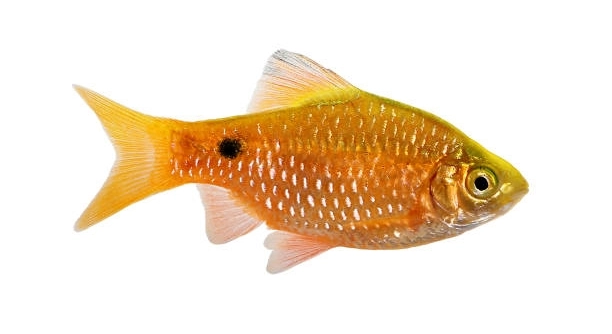
Do you ever find yourself scrubbing algae off tank walls while your barbs dart around, making the whole process even more frustrating?
Making tank cleaning less stressful for barbs involves creating a calm environment, maintaining a routine, and minimizing sudden changes. Gentle handling, consistent cleaning times, and proper tools can significantly reduce their anxiety and promote a healthier habitat.
These simple techniques can help you keep the tank clean without stressing your barbs, making the task easier for both you and your fish.
Clean During Feeding Time
Cleaning during feeding time helps shift the focus of your barbs away from your movements. While they nibble on their food, you can quietly clean one section of the tank. This approach helps reduce their stress since they associate your presence with something familiar and positive. Avoid large, sudden movements and try to stay calm while working. If you notice they seem nervous, pause and give them a moment to settle. Using a soft sponge and avoiding loud tools can also help. Make sure to clean in short sessions rather than trying to do everything at once. This keeps the routine less disruptive and easier for the barbs to get used to. Feeding also encourages them to stay in one spot, which gives you more control over the area you’re working on. Over time, they’ll grow used to this habit, making cleanings smoother and less chaotic for everyone involved.
Feeding acts as a distraction, allowing you to clean without drawing too much attention or causing sudden panic.
Once your barbs connect cleaning time with feeding, they’ll show fewer signs of distress. Their swimming patterns stay relaxed, and they are less likely to dart around the tank. A simple feeding schedule also keeps them calm during other tank tasks.
Use a Divided Cleaning Method
Instead of cleaning the whole tank at once, break it down into smaller areas. This makes the task easier for you and less stressful for the fish.
Divide the tank into zones and clean a different section each time. This keeps water conditions stable, which barbs prefer. Avoid removing too many decorations or plants in one go. If something must be taken out, do it gently and return it quickly. A divided approach keeps disturbances low and gives your barbs time to adjust. You can do small gravel cleans, wipe down one glass panel, or clear a single plant area in one session. Try using a visual reminder or a small checklist to track what you’ve cleaned. This method also helps prevent stirring up too much waste into the water, keeping the tank clearer. If you keep the schedule consistent, barbs will recognize the routine and stay calmer each time. Cleaning this way keeps things balanced for both you and the fish.
Keep the Lights Dim
Lowering the lights helps reduce stress during cleaning. Bright lights can make barbs feel exposed, causing them to panic or hide. A dimmer setting creates a calmer space and makes it easier for them to ignore what you’re doing in the tank.
Try turning off the main light and just using nearby room lighting or a dim aquarium light. If you clean during the day, rely on natural light coming through a window. Barbs are less reactive in softer lighting and are more likely to stay relaxed. Avoid flashing lights or turning the lights on and off quickly, as that can startle them. Consistency matters, so aim to keep lighting changes slow and gentle. Dim lighting can also help you spot algae or waste better without disturbing your fish too much. This small change makes a big difference in how your barbs respond to cleaning routines.
When the lights are low, your movements feel less threatening to the barbs. This helps prevent them from darting or hiding under decorations. It also allows you to move tools and your hands through the water more easily. Over time, they begin to associate tank maintenance with calmness rather than chaos, leading to a more peaceful environment overall.
Avoid Chasing the Fish
It’s tempting to move barbs out of the way, but chasing them only increases their stress. Quick movements or waving tools near them makes them feel unsafe. Give them space instead of trying to control their position.
Use tools slowly and keep them near the bottom or edges of the tank when barbs are nearby. If they’re in the way, wait for them to move on their own. You can also gently guide them away by placing your hand far from them and nudging the water. Avoid loud suction tools when they’re close. If you need to remove decor, do it gradually, letting them see what’s happening. Once they understand that cleaning doesn’t mean danger, they’ll become more relaxed. Being gentle and patient teaches your fish that cleaning is just part of their normal routine, not something they need to fear.
Stick to a Regular Schedule
Barbs do better when things stay predictable. Cleaning at the same time each week helps them know what to expect. This routine makes the process feel normal, not like a threat. Over time, they’ll respond with less stress and fewer sudden movements.
Try pairing cleaning with other regular tasks like feeding or checking water levels. Keeping things consistent helps your barbs adjust. They’ll start recognizing the signs of cleaning time and stay calmer when it happens. Routine builds trust, even with small aquarium fish.
Use the Right Tools
Choose tools that are quiet, smooth, and the right size for your tank. A small gravel vacuum, a soft sponge, and gentle brushes work well. Avoid bulky or noisy tools that can stir up debris or cause a loud vibration in the water. Rinse tools before and after use to remove strong smells or chemicals that could upset your barbs. Long-handled tools also help you stay farther from the fish, making them feel safer. Using the right equipment doesn’t just make the job easier—it also keeps the tank environment steady and your barbs calm while you work.
Keep Hands Out When Possible
Use tools instead of reaching in with your hands. Hands can block their space and feel like a threat. Reducing direct contact helps barbs stay relaxed.
FAQ
How often should I clean a barb tank?
A light cleaning should be done every week, including wiping algae, checking filters, and doing a partial water change (about 25%). A deeper clean, like vacuuming the gravel or scrubbing decorations, can be done every two to three weeks. Keeping a regular schedule helps reduce stress and keeps the water stable. Barbs do best when their environment is steady, so avoid large, random cleanings that may cause water quality changes. If the tank is small or heavily stocked, more frequent cleaning may be needed.
Do barbs get scared during tank cleanings?
Yes, barbs are active and alert fish, so they often react quickly to changes in their space. Loud tools, sudden movements, or hands in the tank can make them nervous. You may see them dart away, hide, or swim erratically. Keeping the process slow and quiet helps. Over time, if cleaning is done consistently and gently, they may stop reacting as much. The goal is to create a routine that feels familiar and non-threatening to them.
Can I clean the whole tank in one day?
It’s better to clean small sections over several days, especially if the tank has been stable. Cleaning everything at once can stir up debris and disrupt the beneficial bacteria in the substrate and filter. This sudden change can affect the water chemistry, which stresses barbs and may cause health issues. Doing partial cleanings helps keep conditions stable. If a full clean is needed due to illness or other issues, do it carefully and monitor the water parameters afterward.
Is it okay to leave barbs in the tank while cleaning?
Yes, it’s usually fine to leave barbs in the tank during cleaning, especially if you’re only doing a partial clean. Removing them causes more stress and risks injury. Just move slowly and avoid chasing them around. If you’re using a gravel vacuum or removing decorations, watch their movement and give them space. They may swim around you at first, but most will settle down once they realize they’re not in danger.
What if my barbs hide or act strange after cleaning?
It’s normal for barbs to hide or act slightly off after cleaning, especially if it was a big change. Give them time to settle. Make sure the water temperature and quality are stable, and keep lights dim. They usually return to normal behavior within a few hours. If they continue acting stressed for more than a day, test the water for ammonia, nitrites, or pH swings. Sudden water changes can be the cause.
Do I need special tools to clean a barb tank?
You don’t need anything fancy, but using tools made for aquariums helps. A gravel vacuum, algae scraper, and a soft brush are good to have. Avoid using kitchen sponges or anything that may have soap or chemicals. Long-handled tools help keep your hands out of the tank, which barbs prefer. Choose tools that are quiet and easy to control to avoid stressing the fish.
Can frequent cleanings harm the barbs?
Too much cleaning, especially if you’re disturbing the gravel or changing lots of water, can remove helpful bacteria and stress your barbs. Stick to light, regular cleanings instead of deep cleans too often. Weekly maintenance is usually enough. Make sure to condition the new water and match the temperature before adding it to the tank.
Should I turn off equipment during cleaning?
Yes, turn off filters, heaters, and air pumps during cleaning to avoid damage or injury. It also makes it easier to see and reach areas inside the tank. Just don’t forget to turn them back on after you finish. If the cleaning takes a while, don’t leave the equipment off for more than 30 minutes.
What’s the best way to clean decorations?
Remove decorations one at a time and rinse them in tank water or dechlorinated water. Avoid using soap or strong cleaners. You can gently scrub off algae with a soft brush. Put the decorations back in the same place to avoid confusing your barbs. Keeping their space familiar helps reduce stress.
How do I know if cleaning is stressing my barbs?
Signs include darting, hiding, pale coloring, or unusual swimming. If this happens, pause and let them calm down. Make future cleanings shorter and quieter. Stick to a regular schedule, dim the lights, and use soft tools. Over time, your barbs will become more comfortable with the routine.
Final Thoughts
Keeping your barb tank clean doesn’t have to be stressful for you or your fish. A few small changes to your routine can make a big difference. Cleaning during feeding time, dimming the lights, and using gentle tools all help keep your barbs calm. Avoiding fast movements and not chasing them around the tank makes them feel safer. These steps may seem simple, but they help create a space where your fish can stay healthy and relaxed. When cleaning feels normal and quiet, barbs are less likely to panic and more likely to go about their day without getting too stressed.
Sticking to a regular cleaning schedule also helps. When you clean around the same time each week, your fish begin to expect it. They learn that your presence in the tank doesn’t mean danger. Breaking cleaning tasks into smaller parts keeps things manageable for both you and the fish. There’s no need to rush through everything at once. Smaller cleanings are better for the water quality and easier on the barbs. It also helps you catch small problems before they become bigger ones. A clean tank supports your fish’s overall health, behavior, and well-being.
Cleaning a fish tank is not just about looks—it’s about keeping the environment safe and stable. Barbs are active and social fish, but they still need a space that feels calm and familiar. Keeping your hands out of the tank when possible, using the right tools, and being patient all help. Your barbs will notice the difference. Over time, what used to be a stressful task can become part of your weekly routine without much trouble. With a little care and consistency, you can keep the tank clean while making sure your fish stay comfortable.

Hello,
If you enjoy the content that we create, please consider saying a "Thank You!" by leaving a tip.
Every little bit helps us continue crafting quality advice that supports the health, happiness, and well-being of pets around the world, for pets of all shapes, sizes, and species.
We really appreciate the kindness and support that you show us!