
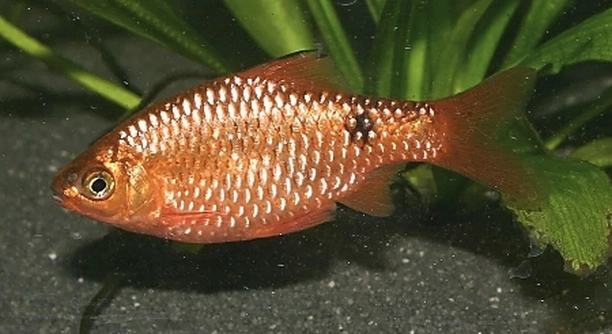
Is your rosy barb suddenly breathing faster than usual? This change can be worrying for any fish owner. Observing your fish’s breathing is an important step in understanding its health and environment.
Rapid breathing in rosy barbs is often a response to low oxygen levels, poor water quality, or stress caused by factors such as overcrowding or sudden changes in temperature. It may also indicate the presence of illness or parasites that affect the fish’s gills or overall respiratory function.
Recognizing the causes behind this behavior will help you take proper action to improve your fish’s condition and maintain a healthy aquarium environment.
Common Causes of Rapid Breathing in Rosy Barbs
Rapid breathing in rosy barbs often points to environmental stressors. Poor water quality is a frequent cause, with high ammonia or nitrite levels irritating the gills. Oxygen levels may drop if the tank lacks proper aeration or if plants and decorations overcrowd the space. Temperature changes, especially sudden drops or rises, can also increase breathing rates. Additionally, stress from overcrowding or aggressive tank mates can push a rosy barb’s respiratory system to work harder. Parasites and infections affect gill function, making it difficult for the fish to breathe normally. Regular testing of water parameters and observing fish behavior are important to catch these issues early. Keeping the tank clean and stable helps prevent rapid breathing linked to environmental factors.
Low oxygen in the water and poor water quality are the leading causes of fast breathing in rosy barbs.
Stress and illness also play a role. Parasites or bacterial infections damage gills and reduce oxygen absorption. Overcrowded tanks or sudden changes in temperature add pressure to the fish’s system. Maintaining stable water conditions and monitoring for signs of disease is essential to keep your rosy barbs healthy and breathing normally.
How to Improve Your Rosy Barb’s Breathing
Addressing rapid breathing starts with improving water quality. Frequent water changes reduce toxins like ammonia and nitrites. Adding an air stone or increasing surface agitation raises oxygen levels. Keeping the tank at a stable temperature suitable for rosy barbs, usually between 74 and 78°F (23-26°C), supports normal respiration. Reducing overcrowding by maintaining proper fish numbers prevents stress and competition for oxygen. If illness is suspected, isolating the affected fish and treating with appropriate medication is necessary. Testing water parameters regularly helps identify problems before they escalate. Healthy plants can also improve oxygen but should not overcrowd the tank. Following these steps helps restore your fish’s breathing to a normal pace and improves overall well-being.
Proper water quality and oxygenation are key to easing your fish’s rapid breathing.
Water changes and stable temperatures reduce stress on gills. Overcrowding and poor conditions increase breathing rates and can lead to illness. Treat infections promptly and maintain a balanced environment. This approach supports healthy breathing and keeps your rosy barbs thriving in their home.
Identifying Signs of Stress in Rosy Barbs
Rapid breathing is a clear stress indicator. Other signs include clamped fins, hiding, or loss of appetite. Changes in color or erratic swimming may also show distress. Monitoring these behaviors helps detect problems early and protect your fish’s health.
Stress in rosy barbs can result from poor water quality, overcrowding, or sudden environmental changes. When stressed, their immune systems weaken, making them more vulnerable to diseases. Behavioral changes such as lethargy or aggression may appear alongside rapid breathing. Keeping the environment stable and clean minimizes stress, allowing fish to maintain normal breathing and activity levels.
Stress affects more than breathing. Prolonged stress can lead to infections and slow healing. Ensuring consistent water parameters, avoiding overcrowding, and providing hiding spots reduce stress. Observing your rosy barbs regularly helps catch early signs, so you can make adjustments before conditions worsen. Stress management is essential for their long-term well-being.
When to Seek Veterinary Help
If rapid breathing continues despite improved water conditions, veterinary advice is important. Persistent symptoms may indicate disease or parasites needing treatment.
Veterinary help is necessary when respiratory distress is severe or linked to infection. Conditions like bacterial gill disease or parasites require medications not available over the counter. A vet can provide proper diagnosis through examination and tests. Early treatment increases chances of recovery and prevents spread to other fish. Watch for symptoms like gasping at the surface, swollen gills, or white spots, which may signal serious illness needing professional care. Prompt veterinary intervention supports your rosy barb’s recovery and overall health.
Maintaining Proper Tank Conditions
Regular water testing is crucial to keep conditions safe for rosy barbs. Check for ammonia, nitrite, nitrate, and pH levels weekly. Keeping these within safe limits prevents breathing problems and other health issues.
Consistent water changes help remove toxins and maintain oxygen levels. Avoid overfeeding, as leftover food can pollute the tank quickly. Proper filtration and aeration support a healthy environment where your fish can thrive without respiratory stress.
Feeding and Nutrition Tips
A balanced diet supports your rosy barb’s immune system and overall health. Feed high-quality flakes, pellets, and occasional live or frozen foods. Avoid overfeeding, as excess food can degrade water quality.
Monitoring and Adjusting Tank Stocking
Overcrowded tanks reduce oxygen and increase stress. Maintain a suitable number of rosy barbs based on tank size to promote healthy breathing and reduce competition.
Preventing Future Breathing Issues
Keeping stable, clean water and avoiding sudden changes in temperature or tank setup helps prevent rapid breathing. Consistent care is key to long-term fish health.
FAQ
Why is my rosy barb breathing fast but otherwise looks healthy?
Fast breathing can occur even when a fish looks fine. It may be a sign of mild stress caused by subtle changes in water quality or oxygen levels. Sometimes, slight temperature fluctuations or minor overcrowding can increase their breathing rate without visible illness. Monitoring water parameters and ensuring good aeration usually helps resolve this issue before it worsens.
Can poor water quality cause my rosy barb to breathe fast?
Yes, poor water quality is one of the most common reasons for rapid breathing in rosy barbs. High levels of ammonia, nitrites, or nitrates irritate the gills, making it harder for fish to absorb oxygen. Regular water testing and changes reduce harmful substances and improve breathing.
How often should I test my aquarium water to prevent breathing problems?
Testing your aquarium water at least once a week is ideal. Frequent checks help catch harmful spikes in ammonia or nitrites early. Using a reliable test kit ensures accurate results. Consistent testing maintains a healthy environment and prevents respiratory issues.
Is oxygen level the only factor affecting my rosy barb’s breathing?
No, oxygen is important but not the only factor. Temperature, water quality, stress, and disease all affect breathing. Warmer water holds less oxygen, while poor filtration and overcrowding raise stress. Disease or parasites can damage gills and disrupt respiration.
How can I increase oxygen levels in my tank?
Increasing oxygen can be done by adding an air stone or bubbler, improving water surface agitation, and ensuring good filtration flow. Live plants also help but should not overcrowd the tank. Cooler water temperatures within the species’ range can hold more oxygen.
When should I be concerned about my rosy barb’s fast breathing?
Be concerned if rapid breathing lasts several days, worsens, or is accompanied by other symptoms like lethargy, loss of appetite, or visible gill damage. These signs suggest illness or severe stress that needs attention, possibly from a vet or through water treatment.
Can rapid breathing be caused by parasites?
Yes, parasites on the gills or skin irritate fish, making breathing difficult. Signs include scratching, flashing, or visible spots. Treating the tank with appropriate medication and isolating affected fish helps control parasites and improve breathing.
Will overcrowding cause my rosy barb to breathe fast?
Overcrowding reduces available oxygen and increases stress. When too many fish share a tank, oxygen levels drop, forcing fish to breathe faster. Keeping a proper fish-to-tank-size ratio helps maintain oxygen and reduces competition.
Is temperature important for rosy barb breathing?
Yes, temperature directly affects breathing. Higher temperatures lower oxygen levels and increase fish metabolism, causing faster breathing. Maintaining water between 74 and 78°F (23-26°C) supports stable respiration and overall health.
Can diet affect my rosy barb’s breathing rate?
Indirectly, yes. Poor nutrition weakens the immune system, making fish more prone to illness that affects breathing. Overfeeding pollutes the tank, leading to poor water quality and respiratory stress. A balanced diet with controlled portions helps keep fish healthy.
How can I tell if rapid breathing is due to illness or environment?
If rapid breathing appears suddenly after water changes or stress and improves quickly, it’s likely environmental. If it persists or worsens with other symptoms, illness is probable. Observing behavior and water conditions helps distinguish the cause.
Are there any home remedies for rapid breathing?
Home remedies include improving water quality, increasing aeration, and lowering temperature slightly. Quarantining new fish before adding them prevents disease introduction. Avoid overcrowding and maintain regular maintenance schedules for best results.
Should I isolate my rosy barb if it breathes fast?
Isolation is helpful if you suspect illness to prevent spread and monitor the fish closely. It also reduces stress from tank mates. Use a quarantine tank with clean, well-oxygenated water to support recovery.
How long does it take for rapid breathing to improve after treatment?
Improvement depends on the cause. Environmental fixes often show results within a day or two. Treatment for disease or parasites can take several days to weeks. Consistent care and monitoring are important during recovery.
Can rapid breathing harm my rosy barb if left untreated?
Yes, prolonged rapid breathing indicates ongoing stress or illness. It can weaken the fish, lower immunity, and lead to death if untreated. Early intervention improves survival chances and reduces suffering.
What regular maintenance helps prevent rapid breathing?
Regular water changes, weekly testing, proper feeding, avoiding overcrowding, and stable temperatures keep your rosy barb healthy. Cleaning filters and checking equipment ensures proper oxygenation and water flow, reducing respiratory problems.
Rapid breathing in rosy barbs is a common sign that something in their environment or health needs attention. It is important to recognize that this symptom often points to issues such as poor water quality, low oxygen levels, stress, or illness. By regularly observing your fish and maintaining good tank conditions, many problems can be prevented before they become serious. Understanding the factors that cause rapid breathing helps you act quickly and provide the best care for your fish. Consistency in tank maintenance plays a big role in keeping your rosy barbs healthy and comfortable.
Water quality is one of the most important factors affecting your fish’s breathing. Ammonia, nitrites, and nitrates can build up quickly and irritate the gills, making it harder for your fish to absorb oxygen. Regular water testing, changes, and proper filtration keep these harmful substances at safe levels. Aeration and surface agitation increase oxygen availability, helping your fish breathe easily. Temperature control is also crucial because warmer water holds less oxygen and can cause faster breathing. Avoid sudden changes in temperature or overcrowding to reduce stress. A balanced environment allows your rosy barbs to thrive and breathe normally.
If you notice persistent rapid breathing despite improving tank conditions, it is important to consider health issues such as infections or parasites. These problems can damage gills and reduce oxygen intake, requiring specific treatments. Isolating affected fish and consulting a vet or aquatic specialist can provide proper care. Remember that fast breathing is often a symptom, not the problem itself. Addressing the root cause, whether environmental or medical, will improve your fish’s well-being. Keeping a close eye on your fish and their environment supports long-term health and enjoyment of your aquarium.

Hello,
If you enjoy the content that we create, please consider saying a "Thank You!" by leaving a tip.
Every little bit helps us continue crafting quality advice that supports the health, happiness, and well-being of pets around the world, for pets of all shapes, sizes, and species.
We really appreciate the kindness and support that you show us!