
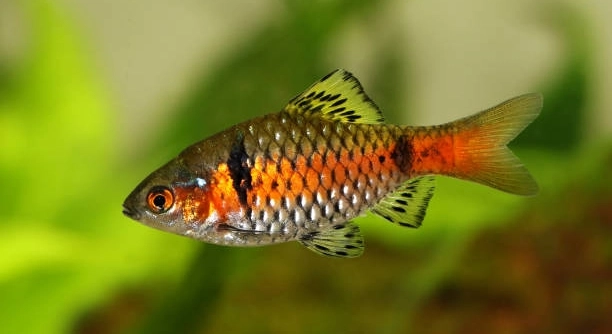
Stress in Rosy Barbs can affect their health and behavior. These small fish may become restless or hide when feeling uneasy. Knowing how to calm them down helps maintain a peaceful aquarium environment for both the fish and their owner.
To calm a stressed Rosy Barb, create a stable and clean habitat, provide proper nutrition, minimize sudden changes, avoid overcrowding, and use gentle handling. These steps reduce stress factors and promote the fish’s overall well-being and resilience.
Following these simple steps can improve your Rosy Barb’s comfort and health. Keeping your fish calm ensures a happier and healthier aquatic environment.
Creating a Calm Environment
A calm environment is essential for reducing stress in Rosy Barbs. Start by maintaining stable water conditions with proper filtration and regular water changes. Sudden changes in water temperature or quality can unsettle your fish. Keep the tank in a quiet area, away from loud noises or vibrations that might startle them. Add plenty of hiding spots using plants or decorations, which provide a sense of security. Avoid overcrowding by ensuring the tank size matches the number of fish. When introducing new tank mates, choose peaceful species to prevent aggression. These steps help create a safe space where your Rosy Barbs can feel comfortable and relaxed. Consistency is key, so avoid frequent changes to their environment, allowing your fish to adapt calmly.
Keeping water quality stable and reducing noise around the tank lowers stress significantly for Rosy Barbs.
Calm surroundings prevent stress-related health problems and encourage natural behavior in Rosy Barbs. Providing shelter and enough space helps them feel secure, which is crucial for their well-being.
Proper Nutrition and Feeding
Feeding your Rosy Barbs a balanced diet supports their health and reduces stress. Provide high-quality flakes or pellets designed for tropical fish, supplemented with live or frozen foods like brine shrimp or bloodworms. Avoid overfeeding, which can pollute the water and cause discomfort for the fish. Feed small amounts once or twice a day to keep the tank clean and the fish healthy. Observe their eating habits; stressed fish may refuse food, signaling an issue that needs attention. Offering varied foods helps meet their nutritional needs and keeps them interested in feeding, which can calm stressed fish by maintaining routine and comfort.
Proper feeding routines and quality food improve fish health and reduce stress responses in Rosy Barbs.
Balanced nutrition supports immune function and energy levels, allowing Rosy Barbs to better cope with environmental changes. Feeding should be consistent and moderate to prevent water contamination and maintain fish vitality.
Minimizing Sudden Changes
Sudden changes in the tank environment can cause stress for Rosy Barbs. Keeping conditions stable is important to avoid upsetting them.
To minimize sudden changes, always adjust water temperature gradually when performing water changes or adding new water. Avoid rearranging decorations or adding new plants too quickly, as these can startle the fish. When introducing new fish, quarantine them first to prevent disease and reduce stress on the existing community. Consistency in lighting schedules also helps, so use timers to maintain regular day and night cycles.
Reducing sudden disruptions allows Rosy Barbs to feel secure. A calm, steady environment lowers stress and supports their overall health and behavior, helping them thrive in your aquarium.
Avoiding Overcrowding
Overcrowding increases competition for resources and space, which stresses Rosy Barbs. Keep the number of fish appropriate for the tank size.
A spacious tank gives Rosy Barbs room to swim freely and establish territories. Overcrowding causes poor water quality due to excess waste, leading to stress and illness. Proper stocking levels ensure each fish receives enough food and oxygen. Avoid mixing too many aggressive species, as it can lead to bullying and hiding. Monitoring population size and upgrading the tank if needed keeps fish comfortable and less anxious. Managing fish numbers carefully is essential for maintaining a healthy, calm aquarium.
Gentle Handling
Handling Rosy Barbs gently reduces their stress levels significantly. Avoid sudden movements when cleaning the tank or feeding.
Use a soft net to catch the fish if needed. Rough handling can cause injury or shock. Always be calm and slow to keep your fish comfortable during interactions.
Providing Hiding Spots
Plants, rocks, and decorations offer safe places for Rosy Barbs to retreat. These hiding spots help reduce anxiety and provide shelter from bright lights or tank mates.
Adding natural elements mimics their environment and encourages natural behavior. This also creates a visually appealing aquarium for you to enjoy while supporting the fish’s well-being.
Monitoring Behavior
Watch for signs of stress such as hiding, loss of appetite, or erratic swimming. Early detection allows for timely care and adjustments in their environment.
Maintaining Clean Water
Regular water changes and filter maintenance keep water quality high. Clean water is vital to prevent stress-related diseases in Rosy Barbs.
FAQ
How can I tell if my Rosy Barb is stressed?
Stress signs in Rosy Barbs include hiding more than usual, losing appetite, erratic swimming, or clamped fins. They might also show faded colors or increased aggression. Observing these behaviors early helps you take action to improve their environment and reduce stress.
What water conditions are best to keep Rosy Barbs calm?
Stable water temperature between 72°F and 78°F, a pH level of 6.5 to 7.5, and clean water with low ammonia and nitrate levels are ideal. Regular water changes and good filtration help maintain these conditions, which are essential to reduce stress in Rosy Barbs.
How often should I clean the tank to keep my Rosy Barbs stress-free?
Partial water changes of about 20-25% every week or two keep water quality high without causing sudden changes. Avoid full cleanings, which can disrupt beneficial bacteria and stress the fish. Cleaning the filter regularly also helps maintain a healthy environment.
Is it okay to mix Rosy Barbs with other fish?
Yes, but choose peaceful, similarly sized fish to prevent bullying. Avoid aggressive or very small species that may be stressed or harmed. Always monitor the tank’s dynamics after introducing new fish to ensure all species coexist peacefully.
Can changes in lighting affect my Rosy Barbs’ stress levels?
Yes. Sudden changes or too-bright lighting can cause stress. Use a consistent lighting schedule, ideally 10-12 hours of light daily, and provide shaded areas with plants or decorations where fish can retreat.
What should I do if my Rosy Barb refuses to eat?
Refusal to eat often signals stress or illness. Check water quality and tank conditions first. Offer a variety of foods like flakes, pellets, and live or frozen treats to entice them. If refusal persists, consult a specialist to rule out disease.
How can I introduce new fish without stressing my Rosy Barbs?
Quarantine new fish for two weeks before adding them to the main tank. Introduce them slowly by placing them in a separate container inside the tank or using a divider. Monitor interactions closely to avoid aggression and stress.
Does overcrowding cause stress in Rosy Barbs?
Yes. Overcrowding increases competition for food, space, and oxygen. It also raises waste levels, leading to poor water quality. Maintaining proper stocking levels and upgrading your tank size when needed helps keep fish calm and healthy.
Are live plants necessary for reducing stress in Rosy Barbs?
While not mandatory, live plants improve water quality and offer natural hiding spots. They mimic the fish’s natural environment, which helps reduce stress. If live plants are not possible, use artificial plants or decorations to provide shelter.
How important is diet variety for calming stressed Rosy Barbs?
Varied diet ensures balanced nutrition, boosting immune health and energy. Feeding a mix of flakes, pellets, and live or frozen foods keeps fish interested and supports recovery from stress. Avoid overfeeding, which can harm water quality and fish health.
Can water temperature swings cause stress?
Yes, sudden temperature changes shock Rosy Barbs and weaken their immune system. Always adjust water temperature slowly, especially during water changes or when adding new water, to avoid stressing the fish.
What role does tank size play in managing stress?
A larger tank provides more swimming space and territories, reducing aggression and competition. Rosy Barbs need at least 20 gallons for a small group to thrive. Insufficient space often causes stress, making tank size a key factor in fish health.
Is it necessary to use a filter in a Rosy Barb tank?
Absolutely. Filters remove waste and toxins, keeping water clean and safe. Good filtration supports stable water conditions, which are crucial for minimizing stress and preventing disease in Rosy Barbs.
How do I handle my fish during tank maintenance to prevent stress?
Be calm and gentle. Avoid chasing or rough netting. Perform maintenance quickly but carefully to minimize disturbance. Handling should be rare and only when necessary, like during health checks or tank transfers.
What are common stress-related illnesses in Rosy Barbs?
Stress weakens the immune system, making fish prone to fin rot, ich, and fungal infections. Maintaining stable water quality, proper diet, and reducing environmental stressors helps prevent these illnesses. Early treatment is important if symptoms appear.
Final Thoughts
Calming a stressed Rosy Barb requires attention to its environment and daily care. Consistency in water quality, temperature, and tank setup is key to reducing stress. These fish thrive in stable conditions where sudden changes are avoided. Providing hiding spots and enough space allows Rosy Barbs to feel secure and less vulnerable. When their surroundings are predictable and comfortable, they display healthier behavior and brighter colors.
Nutrition also plays a significant role in keeping Rosy Barbs calm. A balanced diet with varied foods supports their immune system and energy levels. Overfeeding or poor-quality food can quickly affect water quality and cause discomfort. Feeding small amounts regularly helps maintain clean water and promotes steady health. Watching your fish’s appetite and adjusting feeding routines when needed are important steps in managing stress.
Handling and tank management affect your Rosy Barbs’ well-being as well. Gentle interactions and slow adjustments to their environment prevent shock. Avoid overcrowding by providing enough space and selecting peaceful tank mates. Keeping the aquarium clean with regular water changes and filter maintenance ensures a healthy habitat. Following these simple but consistent practices will help your Rosy Barbs live a calm, healthy life, making your aquarium a pleasant place to enjoy.

Hello,
If you enjoy the content that we create, please consider saying a "Thank You!" by leaving a tip.
Every little bit helps us continue crafting quality advice that supports the health, happiness, and well-being of pets around the world, for pets of all shapes, sizes, and species.
We really appreciate the kindness and support that you show us!