
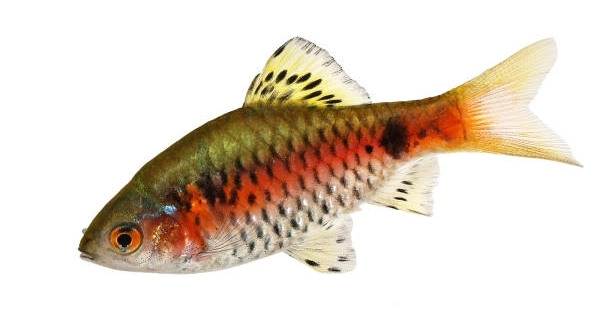
Rosy barbs are lively freshwater fish that brighten home aquariums. Many owners enjoy their colors but often overlook key things these fish actually enjoy in their environment. Knowing what makes rosy barbs happy can improve their well-being.
Rosy barbs thrive in environments with clean, well-oxygenated water, plenty of swimming space, and varied plant life. They prefer a diet rich in protein and appreciate subtle changes in their habitat that mimic natural conditions. Proper care supports their health and vibrant behavior.
Understanding these important details helps create a more comfortable and stimulating home for rosy barbs. The following points highlight what many owners tend to miss about their care and preferences.
Comfortable Water Conditions
Rosy barbs feel best in clean water with stable conditions. Their ideal temperature ranges between 64°F and 72°F (18°C to 22°C). Sudden changes can stress them, causing health issues. Regular water changes help maintain quality and remove harmful waste. Using a reliable filter keeps the water clear and oxygen-rich, which is vital since rosy barbs are active swimmers who need plenty of oxygen. A pH level between 6.5 and 7.5 works well, mimicking their natural habitat. Avoid overcrowding the tank because it increases waste and reduces oxygen levels. Adding live plants is beneficial as they help absorb excess nutrients and offer hiding spots, reducing stress. Maintaining these water conditions supports their energy and vibrant colors, helping them live longer and stay healthy.
Stable water temperature and cleanliness are essential for maintaining rosy barbs’ health and behavior.
Keeping water conditions steady and clean prevents disease and encourages natural activity. It also enhances their bright coloration. Investing time in monitoring water quality pays off by reducing common health problems. Simple steps like regular water changes and proper filtration make a big difference. Adding plants not only improves water quality but also enriches the environment, making it feel safer. These measures support rosy barbs’ immune systems and promote natural behaviors such as schooling and exploring. Ensuring a balanced environment is one of the most effective ways to care for them. This attention creates a lively, attractive tank that showcases the fish at their best. Overall, good water conditions are a foundational aspect of responsible and successful rosy barb keeping.
A Varied Diet is Important
Rosy barbs enjoy a diet that includes both plant and animal matter. They thrive on high-quality flakes or pellets formulated for tropical fish, but they also need occasional treats like brine shrimp, bloodworms, or daphnia to boost protein intake. Including some vegetable matter such as blanched spinach or peas supports digestion and overall health. Feeding them too much or only one type of food can lead to poor health and dull colors. Portion control is important; feed small amounts two to three times daily. Uneaten food should be removed quickly to prevent water pollution. Providing a balanced diet keeps their energy levels steady and their immune systems strong.
A balanced diet with both protein and vegetables supports rosy barbs’ health and vibrancy.
Feeding a variety of foods mimics their natural diet and ensures they get necessary nutrients. Protein-rich treats encourage growth and bright coloration, while plant matter aids digestion. Offering different foods prevents dietary deficiencies. It also keeps feeding time interesting for the fish, reducing boredom. Consistent feeding routines help maintain their metabolism and reduce waste buildup. This careful approach to nutrition promotes a stronger immune system, making them less prone to diseases. Overall, attention to diet directly impacts their longevity and appearance. Adjusting food types and amounts as they grow supports healthy development. Proper nutrition remains a key factor that many owners overlook but is essential for thriving rosy barbs.
Providing Adequate Swimming Space
Rosy barbs are active swimmers who need plenty of room. Crowded tanks limit their movement and cause stress. A minimum tank size of 30 gallons is recommended for a small group. Larger groups need even more space to thrive.
Space affects behavior and health. When cramped, rosy barbs may become aggressive or shy. They need open areas to swim freely and hide if they feel threatened. Adding plants and decorations is good, but leaving open swimming areas is just as important. Overcrowding can also lead to poor water quality since more fish produce more waste, which strains the filtration system. Monitoring tank population and ensuring enough swimming room supports their natural activity and keeps them less stressed. This simple step makes a visible difference in their overall happiness and energy.
Providing adequate swimming space reduces stress and allows rosy barbs to display natural behaviors. It also helps maintain water quality by preventing overcrowding. This balance encourages a lively, healthy tank where the fish can thrive and interact comfortably.
The Importance of Social Groups
Rosy barbs are schooling fish that feel safer and more confident in groups of at least six. Keeping fewer fish can lead to loneliness and stress, affecting their health. Groups allow them to express natural behaviors like synchronized swimming.
Social interaction reduces anxiety and boredom. When in groups, rosy barbs communicate through movement and stay alert to their surroundings. This social structure helps reduce aggression within the tank because the fish establish a balanced hierarchy. Without company, they might become withdrawn or show signs of stress. Observing a school of rosy barbs swim together is a sign of good tank health and proper care. It also enhances the visual appeal of the aquarium, making it more engaging to watch. Ensuring a social environment is a key factor many owners miss but is vital for the species’ well-being.
Regular Tank Maintenance
Keeping the tank clean is essential for rosy barbs’ health. Regular water changes and filter checks prevent buildup of harmful toxins. Neglecting maintenance can lead to stress and illness.
Removing uneaten food and waste daily helps maintain water quality. A clean environment supports the fish’s immune system and keeps their colors bright.
Providing Hiding Places
Rosy barbs need places to hide when they feel threatened or stressed. Live plants, rocks, or decorations create safe spots. These hiding places help reduce anxiety and encourage natural behavior.
Lighting and Day-Night Cycle
Consistent lighting mimics natural conditions. About 10-12 hours of light daily helps regulate rosy barbs’ activity and rest. Sudden changes in light can disturb their rhythm and cause stress.
Avoiding Aggressive Tank Mates
Choosing peaceful tank mates is important. Aggressive fish can bully rosy barbs, causing injury or stress. Compatible species help maintain a calm and balanced aquarium environment.
FAQ
What is the best diet for rosy barbs?
Rosy barbs thrive on a balanced diet that includes both plant-based and protein-rich foods. High-quality flakes or pellets designed for tropical fish should be the base of their diet. Supplement this with occasional treats like live or frozen brine shrimp, bloodworms, or daphnia. Including some vegetable matter, such as blanched spinach or peas, supports their digestion. Avoid overfeeding and remove uneaten food promptly to keep the water clean.
How often should I change the water in my rosy barb tank?
Regular water changes are essential for healthy rosy barbs. Changing 20-30% of the water every week helps remove toxins and maintain water quality. This schedule keeps the environment stable and reduces stress on the fish. Frequent partial changes are better than occasional large ones because they avoid sudden shifts in water parameters.
What tank size is suitable for rosy barbs?
A minimum of 30 gallons is recommended for a small group of rosy barbs, ideally six or more. Larger groups require bigger tanks to provide enough swimming space and prevent overcrowding. Adequate space reduces stress and supports natural schooling behavior.
Can rosy barbs live with other fish species?
Yes, rosy barbs generally do well with peaceful, similarly sized fish. Avoid aggressive species that might bully or stress them. Good tank mates include danios, tetras, and other non-aggressive community fish. Always research compatibility before adding new species.
How important is water temperature for rosy barbs?
Water temperature should be kept stable between 64°F and 72°F (18°C to 22°C). Sudden temperature changes can stress rosy barbs and make them vulnerable to illness. Using a reliable heater and thermometer helps maintain this range consistently.
Why do rosy barbs need hiding spots?
Hiding spots reduce stress by giving fish a place to retreat when they feel threatened or need rest. Live plants, rocks, or decorations create these safe areas. Without hiding places, rosy barbs may become anxious, which can impact their health and behavior.
What causes rosy barbs to lose their color?
Dull colors often result from poor water quality, an unbalanced diet, or stress. Maintaining clean water, providing proper nutrition, and ensuring a calm environment help keep their vibrant hues. Bright coloration is a sign of good health and well-being.
How do I know if my rosy barbs are stressed?
Signs of stress include hiding excessively, loss of appetite, faded colors, or erratic swimming. Stress can come from poor water conditions, aggressive tank mates, or overcrowding. Addressing these issues quickly helps prevent illness.
Are rosy barbs suitable for beginners?
Yes, rosy barbs are hardy and adaptable, making them good choices for beginners. However, they require proper tank size, water conditions, and social groups to thrive. Learning about their basic needs ensures a successful experience.
What is the ideal pH level for rosy barbs?
A pH between 6.5 and 7.5 suits rosy barbs best. Maintaining this range supports their health and natural behavior. Sudden shifts in pH should be avoided by regular water testing and gradual adjustments if needed.
Can rosy barbs live in planted tanks?
Absolutely. Planted tanks provide natural hiding spots and improve water quality by absorbing excess nutrients. Live plants also create a more natural and stimulating environment for rosy barbs, encouraging natural behaviors.
How often should I feed rosy barbs?
Feed small amounts two to three times daily. Overfeeding can pollute the water, so only provide what they can consume in a few minutes. Consistent feeding routines help maintain their health and reduce waste buildup.
Do rosy barbs need a specific light cycle?
Maintaining about 10-12 hours of light daily helps regulate their activity and rest cycles. A consistent light schedule supports their natural rhythms and reduces stress. Avoid sudden changes in lighting to keep the tank environment stable.
What are common health problems in rosy barbs?
Rosy barbs may suffer from fin rot, ich, or swim bladder issues if water quality is poor or they experience stress. Early detection through observation and prompt treatment helps prevent serious problems. Keeping the tank clean and stable is key to prevention.
How can I encourage rosy barbs to breed?
Breeding requires a slightly warmer tank, around 72°F to 75°F (22°C to 24°C), and good water quality. Providing plenty of plants or spawning mops gives females places to lay eggs. Feeding high-protein foods supports spawning readiness. Remove adults after spawning to protect the eggs.
This FAQ covers key concerns to help maintain healthy and happy rosy barbs by addressing their care needs clearly and directly.
Rosy barbs are vibrant, active fish that bring life to any freshwater aquarium. Taking good care of them requires attention to their basic needs, such as clean water, proper diet, and enough space to swim. Many owners miss important details that can make a big difference in the well-being of these fish. Understanding what rosy barbs love helps create a better environment where they can thrive and show their natural behaviors. This care supports their health and makes them enjoyable to watch.
Providing stable water conditions is one of the most important factors for rosy barbs. They do best in water that is clean, well-oxygenated, and kept at a steady temperature between 64°F and 72°F. Regular water changes and proper filtration help maintain this balance. It is also important to avoid overcrowding, as too many fish in a tank leads to stress and poor water quality. Including live plants not only improves water quality but also offers hiding spots, which reduce anxiety for rosy barbs. Paying attention to these factors results in a healthier and more vibrant aquarium.
In addition to water quality, diet and social environment matter greatly. A balanced diet with both protein and plant-based foods supports their energy and coloration. Feeding small amounts regularly prevents overfeeding and keeps the tank cleaner. Rosy barbs are schooling fish, so they feel safer and more confident in groups of six or more. A proper group size allows them to express natural behaviors and reduces stress. Taking care of these details ensures that rosy barbs live longer, stay healthy, and remain a beautiful addition to any tank.

Hello,
If you enjoy the content that we create, please consider saying a "Thank You!" by leaving a tip.
Every little bit helps us continue crafting quality advice that supports the health, happiness, and well-being of pets around the world, for pets of all shapes, sizes, and species.
We really appreciate the kindness and support that you show us!