
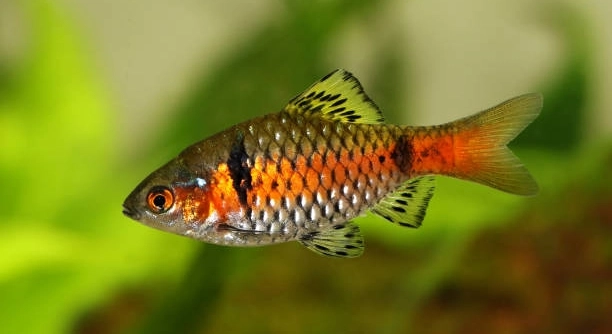
Are your rosy barbs often more lively during certain times of the day? These colorful fish are popular in home aquariums, known for their gentle nature and active swimming habits. Many fishkeepers notice patterns in their behavior.
Rosy barbs tend to be more active in the evening hours. This increased activity is linked to their natural rhythms and environmental factors such as light levels and feeding schedules. Evening activity helps them forage and interact socially before nightfall.
Understanding when rosy barbs are most active can help improve their care and tank environment. This knowledge supports healthier and happier fish in your aquarium.
Why Rosy Barbs Are More Active in the Evening
Rosy barbs are naturally crepuscular, meaning they are most active during dawn and dusk. This behavior comes from their wild origins, where early morning and late evening provide safer feeding times and fewer predators. In a home aquarium, they follow similar patterns, showing more movement and interaction when the light softens. During the day, they tend to rest or swim calmly, conserving energy. Light intensity strongly affects their activity; bright midday lighting can make them less active or encourage hiding. In the evening, as the tank dims, they explore more, search for food, and engage with other fish. This cycle helps maintain their health and natural behavior, so observing these patterns can improve how you care for them. Matching feeding times with their peak activity can reduce stress and encourage natural movement. Evening activity also reflects their instinct to prepare for night rest while still staying alert.
This behavior is consistent among many small schooling fish, not just rosy barbs. Their increased evening activity can be seen in groups, where social interaction peaks.
Keeping the tank lighting on a timer that mimics natural light changes supports this behavior. Feeding your rosy barbs shortly before their active period can help them thrive.
How to Encourage Healthy Activity in Rosy Barbs
To support your rosy barbs’ natural activity patterns, it is important to create a comfortable environment. Maintaining consistent lighting with a gradual transition from bright to dim can encourage evening movement. Avoid sudden changes in light that might stress the fish. Providing a balanced diet with feedings timed around their active hours promotes healthy behavior. Tank plants and hiding spots give them security during brighter parts of the day, reducing stress and allowing more energetic movement later. Regular water changes and stable water parameters are essential to keep them healthy and active.
When rosy barbs feel secure and well-fed, they are more likely to swim actively during the evening. Social interaction within groups also motivates activity, as they respond to each other’s movements. Watching their natural behavior can be rewarding and help you notice signs of stress or illness early. Providing a proper environment mimicking their natural cycle improves both their wellbeing and your enjoyment.
Evening Feeding and Rosy Barb Activity
Feeding rosy barbs in the evening aligns with their natural activity patterns. They are more likely to respond to food when the tank lighting is dimmer. This timing helps mimic their wild feeding habits and encourages healthier behavior.
Feeding at dusk can increase their energy and stimulate movement in the tank. When food is offered during their active phase, rosy barbs tend to swim more vigorously and explore their environment. This interaction also promotes social behavior among the group, as they compete gently for food. Overfeeding should be avoided, as it can lead to water quality issues and health problems. Providing small, frequent meals around their active time helps maintain a good balance.
Observing their feeding response in the evening can reveal a lot about their health and mood. Changes in appetite or activity may signal stress or illness. Keeping a regular feeding schedule matched to their natural rhythm can reduce anxiety and encourage a peaceful tank environment.
Tank Setup for Encouraging Evening Activity
Soft lighting that gradually dims towards evening is essential for supporting rosy barbs’ activity. Bright, harsh light during active hours can stress them, while dimmer light encourages movement and natural behavior. Using adjustable LED lights or a timer can replicate this cycle effectively.
Plants and decorations should create hiding spots for daytime resting and open swimming areas for active periods. This balance offers security and space for movement. Providing a clean, well-filtered environment with stable water parameters supports overall health, which directly affects activity levels. A tank setup that respects their natural rhythm leads to a livelier and healthier group of rosy barbs.
Light Conditions Affecting Activity
Rosy barbs are sensitive to changes in light intensity. Too much brightness can cause them to hide and reduce their activity levels. Lower light in the evening encourages more swimming and exploration, which is closer to their natural habits.
A gradual shift from bright to dim light helps prevent stress. Sudden changes can startle them, leading to less activity or hiding behavior.
Group Behavior and Evening Activity
Rosy barbs are social fish that thrive in groups. Their evening activity often increases because they feel safer and more confident when surrounded by others. Interaction within the school encourages swimming and playful chasing, making the tank more lively.
Temperature’s Role in Evening Movement
Warmer water temperatures in the tank can boost their metabolism and energy levels. Slightly higher temperatures during their active periods encourage more movement. Keeping the temperature stable avoids stress that could reduce evening activity.
Observing Your Rosy Barbs’ Evening Routine
Pay attention to how your rosy barbs behave as light fades. Their increased swimming, feeding response, and social interaction are signs of a healthy routine.
FAQ
Why are rosy barbs more active in the evening?
Rosy barbs are naturally crepuscular, meaning they are most active during dawn and dusk. Their activity increases in the evening because lower light levels mimic their natural habitat conditions, making them feel safer to explore and feed. This time also helps reduce stress from bright light and encourages natural behaviors like social interaction and foraging.
Can feeding time affect their evening activity?
Yes, feeding rosy barbs in the evening can boost their activity. When food is offered during their naturally active period, they become more energetic and engage in more swimming and social behaviors. Feeding at other times, especially during bright daylight, may result in less interest and lower activity. Small, frequent meals timed with their active hours are ideal.
How does tank lighting influence their behavior?
Tank lighting plays a big role in their activity levels. Bright, constant light can stress rosy barbs and cause them to hide or rest more. Gradual dimming of light toward evening encourages movement and exploration. Using a timer to simulate natural light cycles helps keep their behavior consistent and healthy.
Is it better to keep rosy barbs in groups?
Yes, rosy barbs do best in groups of at least six. They are schooling fish and feel safer and more confident with others around. Group living increases their evening activity because they swim together, chase playfully, and interact more. Alone, they may become shy or stressed, leading to reduced movement.
How does water temperature affect their activity?
Water temperature influences their metabolism and energy. Slightly warmer water during active times encourages more movement and feeding. However, extreme temperatures can cause stress. Keeping the temperature steady between 68-75°F (20-24°C) supports healthy activity patterns without stressing the fish.
What tank setup encourages more evening activity?
A well-planned tank with plenty of hiding spots and open swimming space is ideal. Plants and decorations provide security during the day, while open areas allow free movement in the evening. Lighting that gradually dims and stable water conditions help maintain their natural rhythms and encourage healthy evening activity.
How can I tell if my rosy barbs are healthy based on their activity?
Active swimming, responsive feeding behavior, and social interaction during their active times are signs of good health. If they suddenly become lethargic, hide constantly, or lose appetite, it could indicate stress or illness. Watching their evening routine closely helps you notice changes early.
Does stress affect their evening activity?
Stress from poor water quality, sudden changes, or aggressive tankmates can reduce activity levels. Stressed rosy barbs may hide more and swim less, especially in the evening when they usually become lively. Maintaining clean water, stable conditions, and peaceful tankmates helps reduce stress and keeps their natural behavior on track.
Are rosy barbs nocturnal?
No, they are not truly nocturnal but rather crepuscular. This means they are most active at dawn and dusk, not during full night hours. They rest more during the night and are less active during the bright parts of the day.
Can changes in routine affect their activity patterns?
Yes, changes like sudden light schedule shifts, inconsistent feeding times, or new tank additions can disrupt their natural activity. Keeping a consistent routine helps maintain their evening activity and reduces stress. Gradual adjustments to changes are less likely to upset them.
Final Thoughts
Rosy barbs show clearer signs of activity during the evening because this time matches their natural behavior patterns. They are more comfortable moving around when the light is softer and less harsh. This helps them feel safer, and they can swim freely, search for food, and interact with other fish in the tank. Understanding this pattern makes it easier to care for them properly. When you see your rosy barbs more lively in the evening, it means their environment supports their natural rhythm, which is important for their overall health.
Creating the right conditions in your aquarium can encourage healthy evening activity. Lighting that slowly dims toward night, consistent feeding schedules timed with their active hours, and a tank layout with enough hiding spots and open space all contribute to their wellbeing. Keeping the water clean and stable in temperature also plays a big role. When these factors work together, rosy barbs stay active, healthy, and less stressed. Paying attention to their behavior during the evening can help you notice when something might be wrong, like illness or discomfort.
Watching rosy barbs in the evening can be enjoyable because it shows their true personality and natural behaviors. They become more social, curious, and playful during this time, which is rewarding to see. By matching their care to these patterns, you create a better environment for them to thrive. Taking small steps like adjusting feeding times or improving tank lighting can make a big difference in how active and happy your fish are. Knowing about their evening activity helps you give your rosy barbs the best care possible.

Hello,
If you enjoy the content that we create, please consider saying a "Thank You!" by leaving a tip.
Every little bit helps us continue crafting quality advice that supports the health, happiness, and well-being of pets around the world, for pets of all shapes, sizes, and species.
We really appreciate the kindness and support that you show us!