
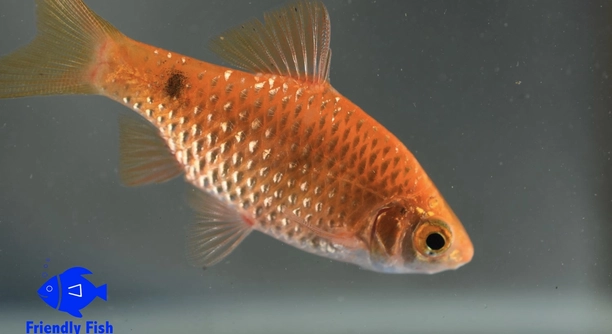
Do you ever watch Rosy Barbs swimming together and notice how they seem to move in patterns? These colorful fish often gather and swim in groups, creating shapes that catch the eye. Understanding their behavior can make keeping them more enjoyable.
Rosy Barbs do swim in patterns intentionally, as a natural behavior to improve safety and social interaction. Swimming in groups helps reduce the risk of predators and supports communication within the school. This coordinated movement is a common survival strategy in many fish species.
Learning about these swimming patterns helps you appreciate your fish’s natural habits and supports their well-being in an aquarium environment. Exploring this behavior reveals much about their needs and social life.
Why Rosy Barbs Swim in Groups
Rosy Barbs are social fish that feel safer and more comfortable when they swim together. In their natural habitat, swimming in groups helps them avoid predators. When they move as a group, it becomes harder for a predator to single out one fish. This behavior is called schooling, and it is common among many small fish species. Besides safety, swimming together also helps them communicate and find food more easily. In an aquarium, Rosy Barbs show similar behavior, even if there are no predators around. It’s just a natural instinct for them to stay close to others of their kind. Watching them swim in patterns can be calming and interesting because it shows their natural behavior. These swimming patterns are a mix of defense and social interaction that keeps the group healthy and balanced.
This group swimming is important for their mental well-being, reducing stress and making them more active.
Keeping Rosy Barbs in a group of at least six or more will encourage these natural patterns. The more fish there are, the smoother their movement looks, and this also helps prevent aggression. When they school, their behavior is more predictable and less stressful for you to watch and care for. This social nature makes them a popular choice for community tanks where other peaceful fish live together.
How Swimming Patterns Help Rosy Barbs Communicate
Swimming in patterns allows Rosy Barbs to signal each other about food or danger.
When one fish notices a change, it can quickly alert the others by changing speed or direction. This quick communication helps the whole group respond faster than a single fish could. For example, if a fish spots food, it might swim toward it, and the others follow. If danger appears, sudden changes in swimming speed warn the group to hide or scatter. These movements keep the group coordinated, even without vocal sounds. Understanding this helps aquarists provide better care by recognizing how fish interact and what their behavior means. It also explains why isolated Rosy Barbs might seem less active or stressed. Group swimming supports their natural instincts and keeps them feeling safe and connected.
Patterns Change Based on Environment
Rosy Barbs adjust their swimming patterns depending on the environment around them. Changes in light, tank size, and other fish presence affect how they move.
In smaller tanks, their patterns may seem tighter and more frequent because the space limits their movement. In larger tanks, they spread out more but still maintain group coordination. Bright light or sudden movements outside the tank can make them swim faster or huddle closer together. Adding plants or decorations can also change their routes and how they school. These environmental factors influence their natural instincts and how comfortable they feel in their space. Watching how their patterns change can help you understand their stress levels or comfort.
Tank mates also affect swimming patterns. Peaceful companions encourage steady movement, while aggressive fish may cause the Rosy Barbs to scatter or hide. Adjusting the environment to reduce stress will help maintain natural schooling behavior.
Benefits of Patterned Swimming for Rosy Barbs
Swimming in patterns improves the health and happiness of Rosy Barbs.
This behavior reduces stress by giving them a sense of safety and belonging. Stress can weaken their immune systems, so group swimming helps keep them healthy. It also encourages exercise, which is important for their overall fitness. When swimming in groups, Rosy Barbs are more active, which supports good digestion and vibrant coloration. The social interaction from schooling strengthens their natural instincts, making them feel more secure. These benefits translate into longer life spans and better adaptation to aquarium life. Observing their patterns can also make tank maintenance easier, as active fish are less likely to develop illness. Providing enough space and companions ensures they can express these healthy behaviors fully.
How to Encourage Natural Swimming Patterns
Providing enough space is key to encouraging natural swimming patterns in Rosy Barbs. A larger tank allows them to move freely and form smooth groups.
Regular feeding times also help maintain their routine. Consistent care makes them feel safe and more likely to swim together naturally.
Tank Setup Tips for Rosy Barbs
Adding plants and hiding spots in the tank helps Rosy Barbs feel secure while they swim. Decorations create natural routes and resting areas, encouraging more natural behavior. Avoid overcrowding, as too many fish can cause stress and disrupt their swimming patterns. Clean water and stable temperatures are also important for maintaining their health and activity levels.
Common Misunderstandings About Their Swimming
Some think Rosy Barbs swim in patterns randomly. Their behavior is actually purposeful, linked to safety and social needs.
When Swimming Patterns May Indicate Problems
Sudden changes in swimming or isolation might signal stress or illness in Rosy Barbs.
FAQ
Why do Rosy Barbs sometimes swim in tight circles?
Rosy Barbs swimming in tight circles often means they are exploring their environment or reacting to changes around them. It can also be a sign of mild stress, especially if the tank conditions are new or if there are sudden noises or movements nearby. Circling might help them feel more secure by staying close to the group or a safe spot.
Can Rosy Barbs swim alone, or do they need a group?
Rosy Barbs are naturally social and prefer to swim in groups. Being alone can cause them stress, leading to less active behavior and health problems. Keeping at least six together encourages natural schooling behavior and helps them feel safe and happy in the tank.
What does it mean when Rosy Barbs swim near the surface in patterns?
Swimming near the surface in groups often shows that Rosy Barbs are feeding or searching for food. It can also mean the tank’s oxygen levels are low, so they gather where oxygen is higher. Monitoring water quality helps prevent this issue.
How can I tell if their swimming patterns are normal?
Normal swimming patterns are smooth, coordinated, and consistent. Sudden erratic swimming, isolation, or floating listlessly can signal illness or stress. Regular observation helps you spot any unusual behavior early.
Do Rosy Barbs swim differently at night?
At night, Rosy Barbs slow down and rest more, but they may still swim slowly in small groups. This reduced activity helps conserve energy and reflects their natural rhythm in the wild.
How does tank size affect their swimming patterns?
Tank size greatly influences swimming behavior. Larger tanks let Rosy Barbs form loose, natural groups and swim freely. Smaller tanks restrict movement, causing tighter, sometimes more frantic patterns. Providing ample space supports healthier behavior.
Will different fish species affect Rosy Barbs’ swimming?
Yes, tank mates impact their patterns. Peaceful species promote calm, coordinated swimming. Aggressive or territorial fish cause Rosy Barbs to scatter or hide, disrupting their natural behavior and causing stress.
Why do Rosy Barbs suddenly speed up and change direction?
Sudden changes in speed or direction are communication signals. They warn of possible threats or signal excitement, such as spotting food. These quick movements keep the group alert and coordinated.
Can illness change their swimming behavior?
Yes, illness often causes changes in swimming. Sick Rosy Barbs may swim slowly, float oddly, or isolate themselves. Watching for these signs helps catch health problems early.
How can I encourage healthy swimming patterns?
Keep Rosy Barbs in groups of six or more, provide enough space, and maintain good water quality. Regular feeding and a well-decorated tank support natural behavior and reduce stress.
Do Rosy Barbs’ swimming patterns change with age?
Younger Rosy Barbs tend to swim more actively and explore more. Older fish might slow down and prefer smaller group movements. Both stages show schooling but with different energy levels.
Is it normal for Rosy Barbs to stop swimming and hover?
Hovering briefly is normal as they rest or inspect their surroundings. However, if they hover for long periods or show difficulty swimming, it may indicate health issues requiring attention.
How do Rosy Barbs respond to sudden loud noises?
Sudden noises usually cause Rosy Barbs to dart quickly or group tightly for safety. Frequent disturbances increase stress, so placing the tank in a quiet area helps maintain calm swimming patterns.
Can diet affect their swimming?
A balanced diet keeps Rosy Barbs energetic and active. Poor nutrition may lead to lethargy or unusual swimming. Feeding varied food supports their health and natural activity.
Are there signs that show Rosy Barbs are happy in their environment?
Active, coordinated swimming, bright colors, and regular schooling are good signs they feel secure and content. Calm, smooth patterns indicate they are comfortable in their tank.
Rosy Barbs are naturally social fish that like to swim in groups. Their patterns of movement are not random but serve important purposes like safety and communication. When they swim together, they can protect themselves better from threats and stay connected with each other. This natural behavior helps them feel secure and comfortable, whether in the wild or in an aquarium. Watching their swimming patterns can be interesting and even calming because it shows how they interact and live as a group.
The environment where Rosy Barbs live plays a big role in how they swim. Factors like tank size, decorations, light, and other fish around them affect their movement. When their surroundings are comfortable and stress-free, they swim smoothly and stay active. On the other hand, changes or disturbances can make them swim faster, hide, or swim in tight circles. Making sure their tank is clean, spacious, and has places to hide helps keep their swimming natural and relaxed. Adding enough plants and tank mates that get along with Rosy Barbs also supports their social behavior.
Finally, understanding their swimming patterns is helpful for anyone who keeps Rosy Barbs as pets. It can show when the fish are healthy and happy or when they might be stressed or sick. Keeping them in groups and paying attention to their behavior can improve their quality of life. Proper care, a good environment, and knowing why they swim the way they do make Rosy Barbs enjoyable to watch and easy to care for. Their natural schooling behavior is an important part of their well-being and should be supported in any aquarium setting.

Hello,
If you enjoy the content that we create, please consider saying a "Thank You!" by leaving a tip.
Every little bit helps us continue crafting quality advice that supports the health, happiness, and well-being of pets around the world, for pets of all shapes, sizes, and species.
We really appreciate the kindness and support that you show us!