
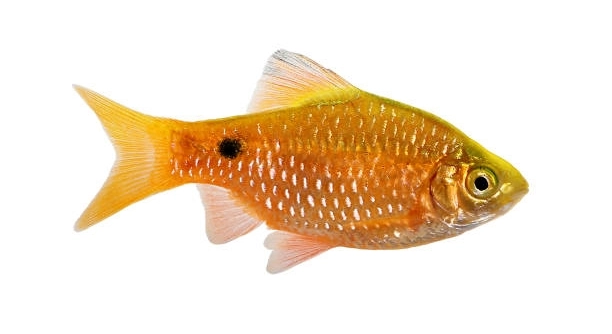
Rosy barbs are popular fish for home aquariums because of their bright colors and lively behavior. These fish sometimes change their color slightly, which can catch the eye of many fish lovers. Understanding these changes can help keep them healthy and happy.
Rosy barbs change color slightly due to factors like lighting, water quality, diet, stress, age, breeding, and health conditions. These subtle color shifts are natural and indicate different environmental or biological influences affecting the fish.
Knowing the reasons behind these color changes helps you better care for your rosy barbs and enjoy their vibrant presence over time.
Lighting Effects on Color Changes
Lighting plays an important role in how rosy barbs show their colors. Under bright light, their colors often appear more vibrant and intense. When the lighting is dim or inconsistent, their colors may look duller or faded. This happens because the fish adjust their pigment cells based on light exposure. If you keep the tank lights on for too long or too short a time, it can stress the fish and affect their natural color. Changing the type of lighting, like switching from fluorescent to LED, might also cause a noticeable difference in their appearance. To keep their colors steady, it helps to maintain a regular light schedule and use lighting suited for aquarium fish. This not only makes your rosy barbs look their best but also supports their overall health.
Light impacts how rosy barbs display their colors and can either brighten or dull their appearance depending on intensity and duration.
Maintaining consistent, proper lighting in your aquarium encourages rosy barbs to show off their best colors. Avoid sudden changes in lighting, and aim for about 8-10 hours of light daily. Using full-spectrum aquarium lights mimics natural sunlight and helps keep the fish healthy and colorful. If you notice your rosy barbs fading, check your lighting setup first before exploring other factors. Adjusting light levels gradually can prevent stress, which also plays a role in color changes. Proper lighting combined with stable water conditions creates an ideal environment where rosy barbs can maintain their vibrant shades.
Diet and Its Role in Color Variations
What your rosy barbs eat has a strong influence on their colors. A balanced diet rich in natural pigments enhances their reds and oranges, while poor nutrition can cause dullness.
Feeding rosy barbs foods high in carotenoids, like shrimp flakes or spirulina, helps keep their colors bright. Fresh vegetables, frozen foods, and quality pellets provide essential nutrients that support color health. Avoid feeding only basic flakes or low-quality food, as this can make their colors fade over time. Regularly varying their diet also prevents nutritional deficiencies. If you want your fish to look their best, paying attention to what they eat is just as important as maintaining clean water. Healthy, colorful fish reflect good care and a well-rounded diet.
Stress and Color Changes
Stress causes rosy barbs to lose their bright colors quickly. Factors like sudden changes in water temperature or aggressive tank mates can lead to stress and color fading.
Stress impacts rosy barbs by triggering hormonal changes that reduce pigment intensity. When stressed, their immune system weakens, making them more prone to illness. Common stressors include poor water quality, overcrowding, and frequent handling. Providing hiding spots and keeping a stable environment reduces stress. Regular water changes and monitoring tank conditions help keep stress low. Observing your fish closely can alert you to stress before colors fade too much. A calm, well-maintained tank encourages rosy barbs to regain and maintain their natural vibrancy.
If stress is managed well, rosy barbs often recover their colors after conditions improve. It’s important to identify stress triggers early and act quickly to support their well-being.
Breeding and Color Fluctuations
During breeding, rosy barbs often show brighter colors, especially males. These changes help attract mates and signal readiness to reproduce.
Color shifts during breeding are caused by increased hormone levels, which intensify red and orange hues. Males become more vivid to compete for females, while females may also change slightly but less dramatically. These color variations are temporary and usually return to normal after breeding ends. It’s normal for fish to look different during this time, so don’t worry if their colors seem unusual. Providing good nutrition and a safe environment supports healthy breeding behavior and helps maintain their colors throughout the process. Monitoring tank conditions closely during breeding reduces stress and promotes success.
Water Quality Impact
Poor water quality can quickly dull rosy barbs’ colors. High ammonia or nitrite levels, as well as unbalanced pH, stress the fish and affect their pigmentation.
Keeping water clean with regular changes and testing helps maintain their bright colors. Stable water parameters reduce stress and support overall health, making color changes less likely.
Age and Color Shifts
As rosy barbs age, their colors may naturally fade or change slightly. Older fish often show less intense pigmentation compared to younger ones.
This is a normal part of their life cycle and does not usually indicate health problems. Proper care and nutrition can help older fish keep their colors longer.
Health Conditions Affecting Color
Illness can cause rosy barbs to lose color or develop unusual patches. Parasites, bacterial infections, or poor nutrition are common causes of these changes.
Treating health issues promptly and maintaining a clean tank helps restore their natural color and keeps them healthy.
Why do rosy barbs change color slightly?
Rosy barbs change color due to several natural and environmental factors. Changes in lighting, water quality, diet, stress, age, breeding cycles, and health conditions all influence their coloration. These shifts are often subtle and serve as indicators of the fish’s overall well-being or environmental changes in the tank.
Can poor water conditions cause color fading in rosy barbs?
Yes, poor water quality is a common reason for rosy barbs losing their vibrant colors. High levels of ammonia, nitrites, or nitrates, as well as unbalanced pH levels, can stress the fish and affect pigment expression. Keeping water parameters stable and performing regular water changes help maintain their natural colors.
How does diet affect rosy barbs’ coloration?
Diet plays a major role in the intensity of rosy barbs’ colors. Foods rich in carotenoids and other natural pigments, such as shrimp flakes or spirulina, enhance their red and orange hues. Feeding a varied and nutrient-rich diet helps prevent dullness and supports healthy coloration over time.
Does stress cause rosy barbs to change color?
Yes, stress can cause rosy barbs to lose color or appear faded. Stressful conditions include overcrowding, aggressive tank mates, sudden water changes, or poor environment. Stress triggers hormonal responses that reduce pigment intensity. Reducing stress through proper tank setup and care helps maintain their bright colors.
Do rosy barbs change color during breeding?
Rosy barbs, especially males, often display brighter colors during breeding. Increased hormone levels make their reds and oranges more intense to attract mates and compete with other males. These changes are temporary and usually return to normal after breeding ends.
Is it normal for rosy barbs to lose color as they get older?
Yes, it is normal for older rosy barbs to show less intense colors. As fish age, pigmentation can naturally fade. This does not necessarily indicate health problems, but maintaining good nutrition and tank conditions can help older fish keep their colors longer.
Can illnesses affect rosy barbs’ color?
Illnesses such as bacterial infections, parasites, or nutritional deficiencies can cause rosy barbs to lose color or develop unusual spots. Prompt treatment and maintaining a clean tank environment are important to restore their health and coloration.
How long does it take for rosy barbs to regain their color?
The time for rosy barbs to regain their color depends on the cause of fading. If due to stress or poor water quality, improvements can be seen within days to weeks after conditions stabilize. Dietary changes and recovery from illness may take longer but will gradually restore vibrancy.
Are all color changes in rosy barbs reversible?
Most slight color changes caused by environment or stress are reversible with proper care. However, some changes due to aging or genetic factors may be permanent. Regular monitoring and maintaining optimal tank conditions help minimize irreversible changes.
What is the best lighting setup for keeping rosy barbs colorful?
Full-spectrum aquarium lighting with consistent daily duration (8-10 hours) is ideal for rosy barbs. Avoid sudden changes in light intensity or duration. Proper lighting supports their natural pigmentation and reduces stress, helping them maintain bright, healthy colors.
Rosy barbs are beautiful fish that can brighten up any aquarium with their lively colors. Their colors can change slightly for many reasons, including lighting, diet, water quality, stress, age, breeding, and health. Understanding these causes helps you care for your fish better. When you know why their colors shift, you can create a better environment for them to stay healthy and look their best.
Taking care of rosy barbs means paying attention to small details. Regular water tests and changes keep the tank clean and safe, which helps prevent stress and illness. Feeding a varied and nutritious diet supports their natural colors and overall health. Lighting also matters; a steady, good-quality light helps fish show off their true colors. Watching your fish daily allows you to notice any color changes or signs of stress early, so you can act quickly if needed.
Remember that some color changes are natural and normal, like those that happen during breeding or as fish get older. These changes are usually not a sign of a problem. If you see sudden or extreme color loss, it is important to check water conditions and the fish’s health. With proper care and attention, your rosy barbs will remain colorful and active, adding life to your aquarium for a long time.

Hello,
If you enjoy the content that we create, please consider saying a "Thank You!" by leaving a tip.
Every little bit helps us continue crafting quality advice that supports the health, happiness, and well-being of pets around the world, for pets of all shapes, sizes, and species.
We really appreciate the kindness and support that you show us!